New Windows Zero-Day Exploit Uncovered Post-Patch Tuesday: What You Need to Know
A recent zero-day exploit has surfaced just hours after Microsoft's Patch Tuesday. This article explores the implications of this vulnerability and how organizations can bolster their defenses.
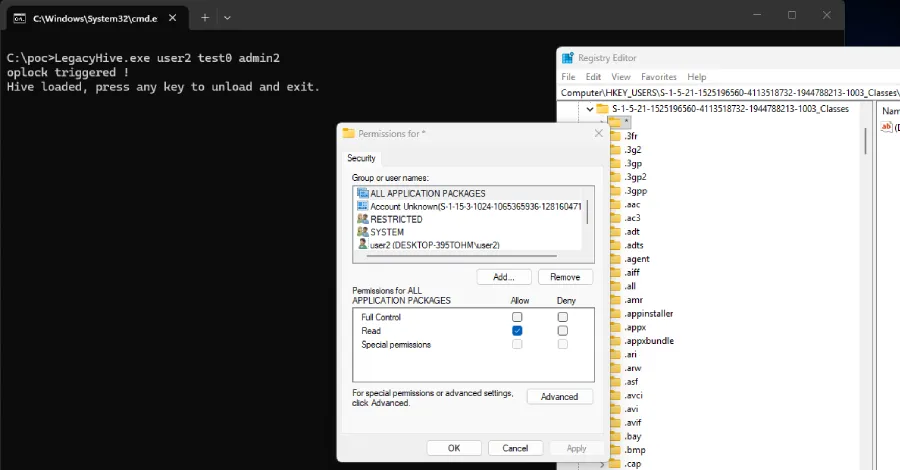
In a troubling turn of events, the cybersecurity landscape has been shaken by the revelation of a new zero-day exploit affecting Windows systems, which was disclosed just hours after Microsoft’s latest Patch Tuesday updates. This exploit underscores the persistent vulnerabilities that exist in even the most regularly updated software. As organizations scramble to implement the latest patches, the emergence of a proof-of-concept (PoC) for the exploit raises alarms about the adequacy of existing security measures and the ongoing battle against cyber threats.
The zero-day vulnerability, which allows attackers to execute arbitrary code on affected systems, highlights the critical importance of not only patching software promptly but also adopting a broader, multi-layered security strategy. In an age where artificial intelligence (AI) is being leveraged both by cybercriminals and defenders, organizations must stay ahead of the curve by employing sophisticated tools and practices to mitigate risks.
Understanding Zero-Day Vulnerabilities
A zero-day vulnerability refers to a flaw in software that is unknown to the vendor and has not been patched. This means that cybercriminals can exploit the vulnerability before a fix is released, leaving organizations at risk. The term 'zero-day' comes from the fact that the vendor has had zero days to address the issue at the time of its discovery.
How Zero-Day Exploits Work
Zero-day exploits typically operate by allowing attackers to gain unauthorized access to systems, steal sensitive data, or deploy malware. These exploits can be particularly potent because they can be used to bypass traditional security measures that rely on known vulnerabilities.
- Execution of arbitrary code: Attackers can execute commands on the system, potentially gaining full control.
- Data exfiltration: Sensitive information can be stolen without detection.
- Malware deployment: Malware can be installed to create backdoors for future access.
Recent Developments: The AI Factor
The discovery of this new zero-day vulnerability coincides with the increasing role of AI in cybersecurity. While AI can be used to enhance security measures, it also poses a threat when leveraged by malicious actors. Recent advancements in AI have made it easier for hackers to identify and exploit vulnerabilities rapidly.
The Double-Edged Sword of AI
On one hand, AI can assist in identifying potential vulnerabilities and automating the patching process. On the other hand, as AI models become more sophisticated, they can also be used to develop more advanced exploit techniques. This duality presents a challenge for organizations striving to maintain security without becoming overwhelmed by the pace of change in the threat landscape.
Steps to Secure Against Software Vulnerabilities
In light of the recent zero-day exploit, organizations must take immediate steps to bolster their cybersecurity posture. Here are five key strategies to consider:
- 1. Regular Software Updates: Ensure that all software, including operating systems and applications, is updated regularly to mitigate vulnerabilities.
- 2. Network Segmentation: Implement network segmentation to limit the potential impact of an exploit and restrict lateral movement within your systems.
- 3. Employee Training: Conduct regular training sessions for employees to recognize phishing attempts and other social engineering tactics that could lead to exploitation.
- 4. Invest in AI-Driven Security Tools: Leverage AI-based security solutions that can identify anomalous behavior and detect potential threats in real-time.
- 5. Incident Response Planning: Develop and regularly update an incident response plan to ensure rapid action can be taken in the event of a security breach.

The Importance of a Proactive Approach
While patching software vulnerabilities is essential, a proactive approach to cybersecurity is equally important. Organizations should not only react to threats as they arise but also anticipate potential vulnerabilities and implement measures to address them before they become significant issues. This requires a robust security strategy that includes threat intelligence, continuous monitoring, and a culture of security awareness.
Building a Security Culture
A security-focused culture within an organization empowers employees at all levels to take ownership of cybersecurity. By fostering an environment where security is a shared responsibility, organizations can reduce the likelihood of successful attacks and ensure a more resilient infrastructure.

Key Takeaways
- Zero-day vulnerabilities represent serious risks that can be exploited before they are patched.
- AI is a double-edged sword in cybersecurity, offering both threats and solutions.
- Implementing a multi-layered security strategy is essential to protect against vulnerabilities.
- Regular employee training and awareness are crucial in strengthening organizational defenses.
- Proactive security measures can help mitigate potential risks before they escalate.
Frequently Asked Questions
What should I do if my organization is affected by a zero-day exploit?
If your organization is affected by a zero-day exploit, it is crucial to activate your incident response plan immediately. This includes isolating impacted systems, assessing the scope of the breach, and notifying relevant stakeholders. You should also consult with cybersecurity professionals to remediate the vulnerability and prevent further exploitation.
How can AI help in preventing zero-day attacks?
AI can enhance cybersecurity by analyzing vast amounts of data to identify patterns and anomalies that may indicate a potential zero-day exploit. By leveraging machine learning algorithms, organizations can proactively detect vulnerabilities and respond to threats in real-time before they cause significant damage.
Are there any specific tools recommended for defending against zero-day vulnerabilities?
There are several tools available that can assist in defending against zero-day vulnerabilities, including intrusion detection systems (IDS), security information and event management (SIEM) solutions, and endpoint protection platforms. When selecting tools, organizations should consider those that incorporate AI-driven capabilities for real-time threat detection and response.
Comments
Exploiting Vulnerabilities: Understanding SonicWall's SMA 1000 Threats
Recent zero-day vulnerabilities in SonicWall's SMA 1000 series have raised alarms in the cybersecurity landscape. Organizations must act swiftly to secure their systems against these threats.

Related articles






Popular in Cybersecurity
- Federal Mandate for Autonomous Vehicles: A Call for Safety Compliance
- EU Mandates Google to Share Data and Open AI on Android: What It Means
- GitHub Revamps Bug Bounty Program: Implications for Developers and Security
- Australian Government Disables Thousands of Functional Broadband Routers: A Wasteful Decision
- Exploiting Redis: Understanding Zero-Day Vulnerabilities and Their Mitigation