Unpatched XRING Flaw in XQUIC Poses Risks to HTTP/3 Servers
The recent discovery of an unpatched XRING vulnerability in XQUIC has raised significant concerns for HTTP/3 servers. This article delves into the implications of this flaw, its potential impact on organizations, and actionable steps to bolster cybersecurity defenses.
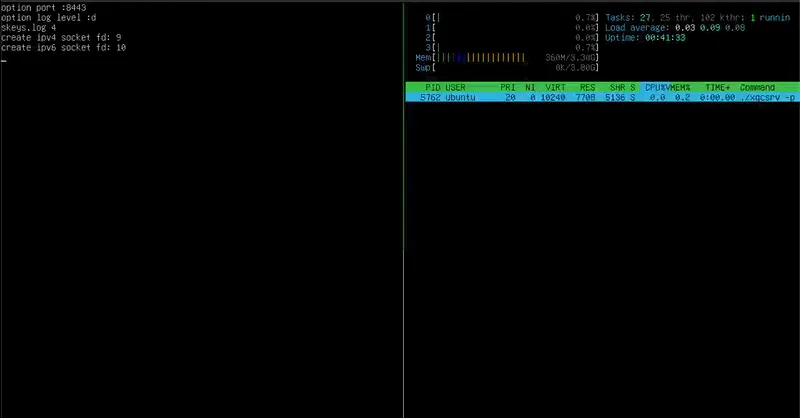
In the fast-evolving landscape of web technologies, vulnerabilities can emerge from unexpected quarters, posing significant risks to organizations that rely on them. One such vulnerability is the recently uncovered XRING flaw in the XQUIC implementation, which has the potential to crash HTTP/3 servers. As businesses increasingly adopt HTTP/3 for its performance improvements over previous versions, understanding and addressing these vulnerabilities becomes paramount to ensuring operational resilience and security.
This article explores the implications of the XRING flaw, its potential impacts on businesses, and practical steps that organizations can take to mitigate risks. With the rise of artificial intelligence (AI) in uncovering software vulnerabilities, organizations must stay ahead of the curve to safeguard their systems.
Understanding the XRING Vulnerability
The XRING flaw in XQUIC is a significant security concern for developers and system administrators managing HTTP/3 servers. XQUIC is an open-source QUIC implementation, which is important for the development of HTTP/3. This protocol is designed to enhance speed and reduce latency in web communications. However, the discovery of the XRING vulnerability reveals that remote clients can exploit this flaw to crash servers, resulting in service outages and potential data loss.
At its core, the XRING vulnerability exploits the way XQUIC handles certain data structures, leading to a potential denial-of-service (DoS) attack. This means that a malicious actor could send specially crafted requests to an HTTP/3 server, which could cause the server to become unresponsive. Given the critical role that HTTP/3 plays in modern web applications, the implications of such an attack can be severe, affecting user experience and trust.

The Growing Importance of HTTP/3
HTTP/3 represents a significant leap forward in web technology. Unlike its predecessor, HTTP/2, which still relies on TCP (Transmission Control Protocol), HTTP/3 is built on QUIC (Quick UDP Internet Connections), a transport layer network protocol developed by Google. The switch from TCP to QUIC allows HTTP/3 to establish connections more quickly and efficiently, reducing latency and improving the performance of web applications.
As more organizations adopt HTTP/3 for its benefits in speed and performance, the risk associated with vulnerabilities like XRING becomes even more pronounced. For instance, companies running e-commerce platforms or online services may face significant revenue losses if their servers become unavailable due to such vulnerabilities. Additionally, the reputational damage caused by service disruptions can lead to long-term trust issues with customers.
Steps to Mitigate Risks from the XRING Flaw
Organizations must take proactive steps to secure their systems against the XRING vulnerability and similar threats. Here are key measures that can be implemented:
- Regular Software Updates: Ensure that all software, including the XQUIC implementation, is up-to-date. Regular patching can mitigate known vulnerabilities.
- Monitoring and Logging: Implement robust monitoring and logging practices to detect unusual activity that may indicate an attempted exploitation of the vulnerability.
- Rate Limiting: Use rate limiting to restrict the number of requests a client can make in a given timeframe, preventing abuse from malicious actors.
- Firewall Protection: Configure firewalls to filter traffic and block requests that may exploit known vulnerabilities.
- Threat Intelligence: Stay informed about the latest vulnerabilities and threats through threat intelligence services, allowing for rapid response to potential exploits.

The Role of AI in Cybersecurity
As the cybersecurity landscape evolves, artificial intelligence (AI) is becoming a powerful ally in identifying and addressing software vulnerabilities. AI models can analyze vast amounts of data to uncover patterns indicative of security flaws, such as the XRING vulnerability in XQUIC. By leveraging AI, organizations can enhance their ability to detect vulnerabilities before they are exploited.
Moreover, AI can automate response protocols, allowing organizations to react swiftly to emerging threats. This can be particularly useful in environments where time is of the essence, such as during a potential DoS attack. By integrating AI-driven tools into their cybersecurity strategy, organizations can bolster their defenses and reduce their risk exposure.

Key Takeaways
- The XRING vulnerability in XQUIC poses a significant risk to HTTP/3 servers, potentially leading to service outages.
- Organizations using HTTP/3 should prioritize regular software updates and robust monitoring practices to mitigate risks.
- AI is instrumental in identifying and addressing vulnerabilities, offering a proactive approach to cybersecurity.
- Implementing rate limiting and firewall protections can help reduce exposure to exploitation.
- Staying informed through threat intelligence is crucial for rapid response to emerging threats.
Frequently Asked Questions
What is the XRING vulnerability in XQUIC?
The XRING vulnerability refers to a security flaw in the XQUIC implementation that allows remote clients to send specially crafted requests to HTTP/3 servers, potentially crashing them. This vulnerability highlights the need for robust security measures as more organizations adopt HTTP/3 for its performance benefits.
How can organizations protect against the XRING vulnerability?
Organizations can protect against the XRING vulnerability by regularly updating their software, implementing monitoring and logging practices, utilizing rate limiting, configuring firewalls, and leveraging threat intelligence to stay informed about emerging threats. These proactive measures can significantly reduce the risk of exploitation.
What is the role of AI in cybersecurity?
AI plays a crucial role in cybersecurity by automating the detection of vulnerabilities and potential threats. By analyzing large datasets, AI can identify patterns that may indicate a security flaw, enabling organizations to respond quickly and effectively to mitigate risks. AI tools can also streamline response protocols, making systems more resilient against attacks.
Comments
Apple vs. OpenAI: The High-Stakes Legal Battle Over Trade Secrets
Apple has filed a lawsuit against OpenAI, alleging trade secret theft and breach of contract. The case highlights the growing tensions in the tech industry over intellectual property as companies race to innovate.

Related articles




Popular in Cybersecurity
- Federal Mandate for Autonomous Vehicles: A Call for Safety Compliance
- EU Mandates Google to Share Data and Open AI on Android: What It Means
- GitHub Revamps Bug Bounty Program: Implications for Developers and Security
- Australian Government Disables Thousands of Functional Broadband Routers: A Wasteful Decision
- Exploiting Redis: Understanding Zero-Day Vulnerabilities and Their Mitigation