Defending Your Digital Fortress: Cybersecurity Threats and Solutions
As cyber threats evolve, organizations must adapt their defenses. This article explores the latest hacking methods and five essential steps to secure your business against software vulnerabilities.
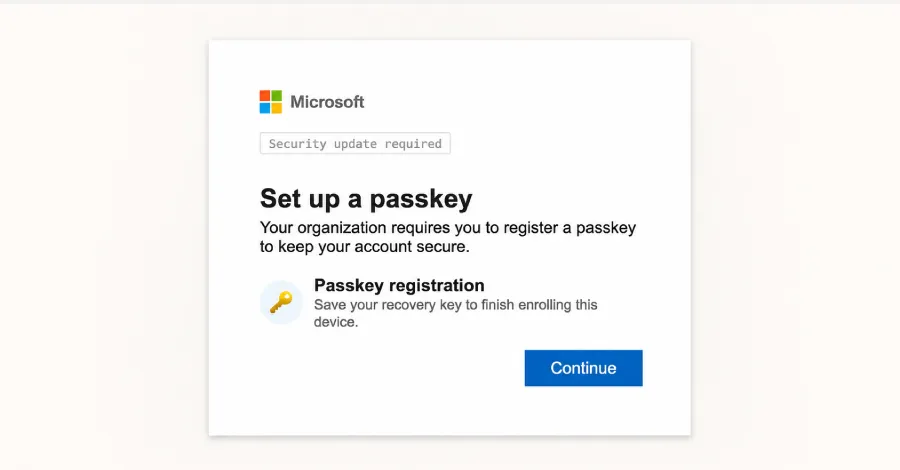
The digital landscape is increasingly fraught with risks as hackers devise more sophisticated methods to breach security systems. Recent reports have highlighted alarming tactics, such as the utilization of fake Microsoft Entra passkey enrollments, allowing attackers to gain unauthorized access to Microsoft 365 environments. This incident underscores the need for organizations to bolster their cybersecurity strategies to protect sensitive data.
As artificial intelligence (AI) continues to evolve, it is being harnessed by cybercriminals to create more effective attack vectors. However, AI is also being leveraged by security professionals to identify vulnerabilities and enhance defenses. In this article, we will explore the recent hacking techniques targeting Microsoft 365, as well as five critical steps that organizations can take to secure themselves against emerging software vulnerabilities.
Understanding the Microsoft Entra Exploit
In the realm of cybersecurity, Microsoft 365 has become a prime target due to its widespread adoption across businesses of all sizes. The recent exploitation of Microsoft Entra, a service designed to manage user access and identity, reveals how hackers can use social engineering tactics to manipulate users into providing access. By crafting convincing phishing schemes that mimic legitimate enrollment procedures, cybercriminals can trick users into revealing their credentials.
The Mechanics of the Attack
The attack typically begins with an email or message that appears to be from a trusted source, guiding users to a fake website designed to resemble the Microsoft Entra login page. Once users enter their credentials, the attackers capture this sensitive information, granting them access to Microsoft 365 accounts. This breach can lead to further exploitation, including data theft, ransomware deployment, and unauthorized access to corporate resources.

Leveraging AI for Cybersecurity
While AI poses a threat in the hands of cybercriminals, it also serves as a powerful tool for enhancing cybersecurity measures. Organizations can utilize AI models to detect patterns of suspicious behavior, identify potential vulnerabilities, and automate incident response. By analyzing historical data, AI can predict future threats and recommend proactive measures to mitigate risks.
How AI Enhances Security Protocols
- Behavioral Analysis: AI can analyze user behavior to identify anomalies that may indicate a breach.
- Vulnerability Scanning: Automated tools powered by AI can regularly scan systems for known vulnerabilities.
- Threat Intelligence: AI can aggregate threat data from various sources, providing organizations with insights into emerging threats.
- Incident Response Automation: AI can streamline response efforts, reducing the time it takes to address security incidents.
Five Steps to Secure Your Organization
To combat threats like the Microsoft Entra exploit and others that may arise, organizations must adopt a proactive approach to cybersecurity. Here are five essential steps to strengthen your defenses:
1. Implement Multi-Factor Authentication (MFA)
MFA adds an additional layer of security by requiring users to provide two or more verification factors before accessing their accounts. This drastically reduces the likelihood of unauthorized access, even if credentials are compromised.
2. Conduct Regular Security Training
Regularly educating employees about phishing threats, social engineering tactics, and safe online practices is crucial. A well-informed workforce is less likely to fall victim to scams that could compromise security.
3. Utilize AI-Driven Security Tools
Investing in AI-powered security solutions can enhance your ability to detect and respond to threats in real time. These tools can provide insights into potential vulnerabilities and automate necessary responses.
4. Maintain Software Updates
Keeping all software, including operating systems and applications, updated with the latest patches is vital for protecting against vulnerabilities. Cybercriminals often exploit outdated software, so regular updates are essential.
5. Establish an Incident Response Plan
Having a well-defined incident response plan ensures that your organization can respond swiftly and effectively to security breaches. This plan should outline roles and responsibilities, communication protocols, and recovery procedures.

Why Cybersecurity Matters
The increasing prevalence of cyberattacks highlights the importance of robust cybersecurity measures for organizations. The costs associated with data breaches can be staggering, with the average cost of a breach reaching up to $3.86 million, according to IBM's Cost of a Data Breach Report. Beyond financial implications, breaches can lead to reputational damage, loss of customer trust, and legal consequences.
Moreover, with the rise of remote work and cloud-based services, the attack surface has expanded, making organizations more vulnerable than ever. Thus, investing in cybersecurity is not just a matter of compliance; it's essential for business continuity and protecting sensitive information.

Key Takeaways
- Cybercriminals are evolving their tactics, as seen in the Microsoft Entra exploit targeting Microsoft 365.
- AI can be both a threat and a solution in cybersecurity, enhancing vulnerability detection and incident response.
- Organizations must implement proactive measures, including MFA and regular security training.
- Maintaining software updates is crucial to protecting against known vulnerabilities.
- Establishing a comprehensive incident response plan is essential for swift recovery from breaches.
Frequently Asked Questions
What is Microsoft Entra, and how does it relate to Microsoft 365?
Microsoft Entra is a cloud-based identity and access management service that helps organizations manage user identities and access controls. It plays a critical role in Microsoft 365 environments, ensuring that only authorized users can access specific resources. When exploited, it can lead to significant security breaches, as attackers can gain unauthorized access to sensitive data and applications.
How can AI help in identifying software vulnerabilities?
AI can analyze vast amounts of data quickly, identifying patterns and anomalies that may indicate vulnerabilities. By leveraging machine learning algorithms, AI tools can continuously learn from new threats, improving their detection capabilities over time. This proactive approach enables organizations to address weaknesses before they can be exploited by cybercriminals.
Why is employee training important in cybersecurity?
Employees are often the first line of defense against cyber threats. By providing regular training on cybersecurity best practices, organizations can empower their workforce to recognize and respond to potential threats. This training helps reduce the risk of successful phishing attacks and other social engineering tactics that target unsuspecting users.
What should I include in an incident response plan?
An effective incident response plan should include clear roles and responsibilities for team members, communication protocols for notifying stakeholders, a step-by-step guide for responding to various types of incidents, and recovery procedures to restore normal operations. Regularly testing and updating the plan is also critical to ensure its effectiveness in real-world scenarios.
Comments
Apple vs. OpenAI: The High-Stakes Legal Battle Over Trade Secrets
Apple has filed a lawsuit against OpenAI, alleging trade secret theft and breach of contract. The case highlights the growing tensions in the tech industry over intellectual property as companies race to innovate.

Related articles





Popular in Cybersecurity
- Federal Mandate for Autonomous Vehicles: A Call for Safety Compliance
- EU Mandates Google to Share Data and Open AI on Android: What It Means
- GitHub Revamps Bug Bounty Program: Implications for Developers and Security
- Australian Government Disables Thousands of Functional Broadband Routers: A Wasteful Decision
- Exploiting Redis: Understanding Zero-Day Vulnerabilities and Their Mitigation