Navigating the Risks of Free Android VPN Apps: A Call for Vigilance
A recent study reveals alarming vulnerabilities in free Android VPN apps, emphasizing the need for cybersecurity awareness. Learn how to protect your data and privacy.
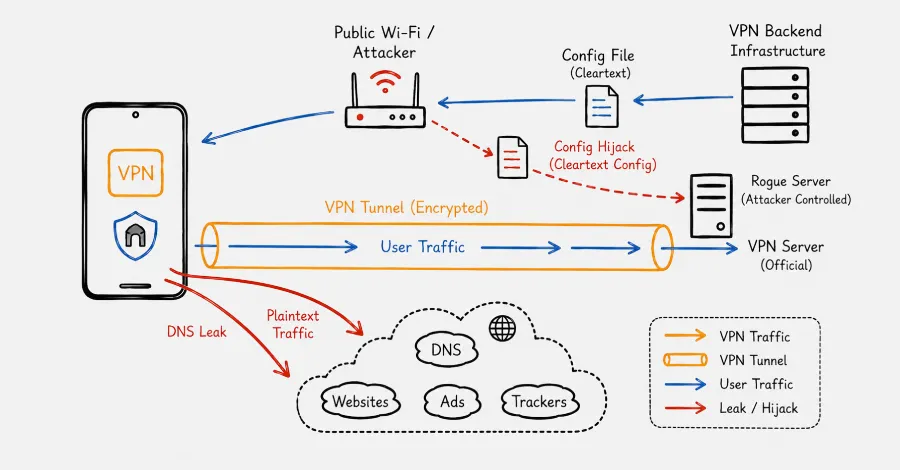
In an increasingly digital world, the importance of online privacy cannot be overstated. As users seek tools to safeguard their data, Virtual Private Networks (VPNs) have surged in popularity, particularly among Android users. However, a recent study examining 281 free Android VPN applications has unveiled a troubling reality: many of these tools are riddled with security flaws, including traffic leaks, unencrypted data, and tracking mechanisms. This discovery raises critical questions about the safety of relying on free VPN services and highlights the need for heightened awareness and proactive measures in cybersecurity.
The study, which was conducted by a team of cybersecurity researchers, not only assessed the functionality of these VPN apps but also their adherence to essential privacy standards. The findings indicate that while these applications tout anonymity and data protection, many fail to deliver on these promises. For users who often overlook the potential pitfalls of free VPNs, understanding these vulnerabilities is crucial for maintaining digital privacy.
Understanding VPN Vulnerabilities
VPNs are designed to create secure connections over the internet, masking a user’s IP address and encrypting their online activities. However, the use of free VPN services often comes with significant trade-offs. The study revealed several critical vulnerabilities:
- Traffic Leaks: Many apps were found to leak user traffic, exposing sensitive data to potential interception.
- Unencrypted Data: A significant number of VPNs transmitted data without encryption, defeating the primary purpose of using a VPN.
- Tracking and Ads: Some applications contained tracking mechanisms that compromised user anonymity, indicating that data was being collected for advertising purposes.
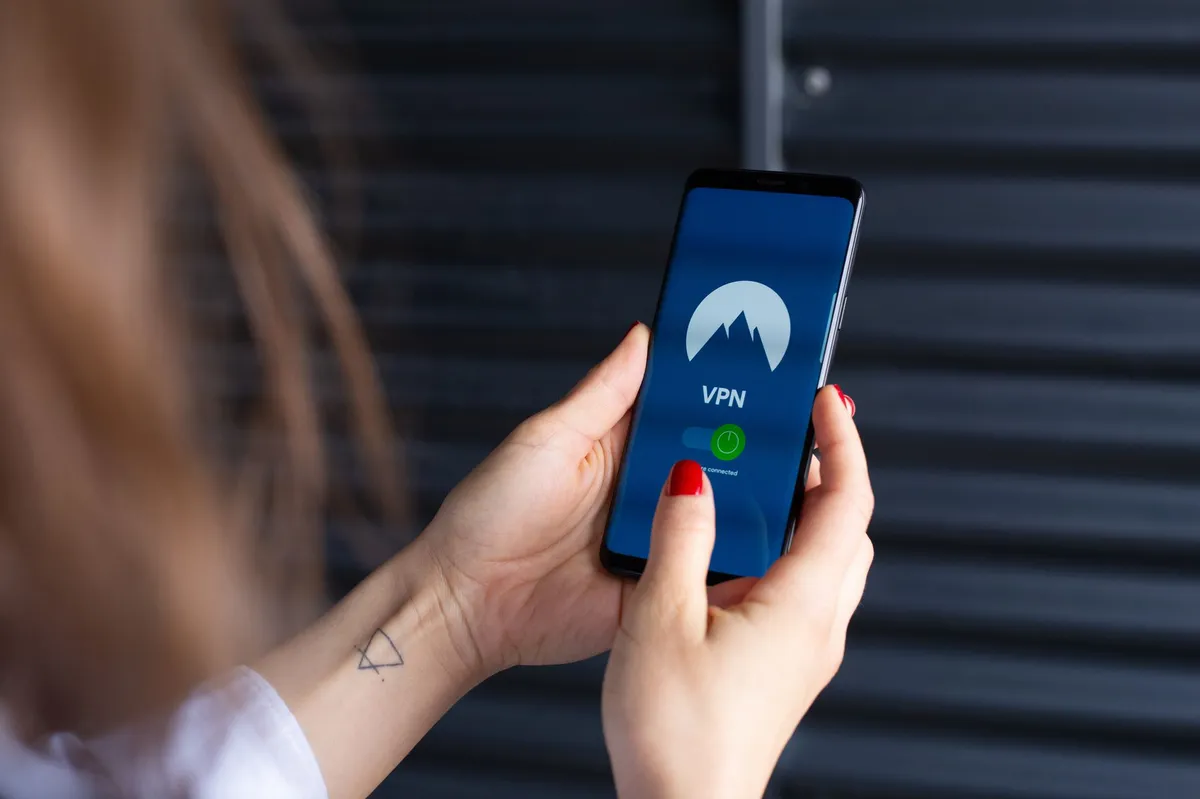
Why Free VPNs Are Risky Business
While the allure of free VPN services is undeniable—especially for users seeking to save money—this research underscores a harsh reality: free services often come with hidden costs. Users may not only risk their data security but also unwittingly contribute to data monetization schemes.
Free VPNs typically generate revenue through advertising, which may involve tracking user behavior and selling data to third parties. This is counterproductive to the very reason many individuals choose to use a VPN. Furthermore, the lack of accountability often associated with free apps can lead to negligence in maintaining security protocols.
Steps to Secure Your Data
In light of these findings, users must adopt a more vigilant approach when it comes to choosing VPN services. Here are five critical steps to enhance your cybersecurity:
1. Research Before You Download
Before opting for a VPN, conduct thorough research. Look for reviews from reputable tech analysts, and seek out user feedback regarding security and privacy practices.
2. Opt for Paid Services
While it may be tempting to use free VPNs, consider investing in a reputable paid service. Paid VPNs typically offer stronger encryption, no data logging, and better customer support.
3. Test for Leaks
Utilize online tools to check for IP and DNS leaks after connecting to your VPN. This will help you ensure that your data is being properly secured.
4. Understand the Privacy Policy
Read the privacy policy of any VPN service you consider. Pay attention to how they handle your data and whether they have a clear commitment to user privacy.
5. Keep Software Updated
Regularly update your VPN application and device operating system to protect against vulnerabilities that could be exploited by cybercriminals.

The Role of AI in Cybersecurity
The emergence of artificial intelligence (AI) in cybersecurity has provided organizations with advanced tools to combat vulnerabilities, including those present in VPN applications. By leveraging AI models, organizations can identify and mitigate risks more effectively than ever before. Here’s how AI is transforming cybersecurity:
1. Automated Threat Detection
AI can analyze vast amounts of data at lightning speed, pinpointing potential security threats before they can escalate. This proactive approach is essential in a landscape where cyber threats evolve rapidly.
2. Predictive Analytics
Using predictive analytics, AI can forecast potential vulnerabilities based on historical data, allowing organizations to implement preventive measures before breaches occur.
3. Response Automation
AI-driven systems can automate responses to security incidents, enabling organizations to react swiftly and effectively to mitigate damage.
4. Improved User Behavior Analytics
By analyzing user behavior, AI can identify anomalies that may indicate a security breach, allowing for faster intervention.

Key Takeaways
- Many free Android VPN apps have serious security vulnerabilities.
- Traffic leaks and unencrypted data are common issues found in these apps.
- Investing in a reputable paid VPN service can enhance data security.
- AI is playing a pivotal role in strengthening cybersecurity measures.
- Proactive steps can help users protect their online privacy.
Frequently Asked Questions
What are the risks of using free VPN apps?
Free VPN apps often come with numerous risks, including traffic leaks, unencrypted data transmission, and the potential for tracking and data monetization. Users may expose themselves to increased vulnerability by opting for free services that do not prioritize security and privacy.
How can I choose a secure VPN service?
To choose a secure VPN service, conduct thorough research on available options. Look for reputable reviews, consider paid services with robust security protocols, and always read privacy policies to understand how your data will be handled.
Is AI effective in combating cybersecurity threats?
Yes, AI is increasingly effective in combating cybersecurity threats. By leveraging its capabilities in threat detection, predictive analytics, and automated responses, organizations can enhance their security posture and respond more effectively to emerging threats.
What should I do if I suspect my VPN is compromised?
If you suspect your VPN is compromised, disconnect immediately and run a security scan on your device. Consider switching to a more reputable VPN service and report any suspicious activity to the relevant authorities.
Comments
Apple vs. OpenAI: The High-Stakes Legal Battle Over Trade Secrets
Apple has filed a lawsuit against OpenAI, alleging trade secret theft and breach of contract. The case highlights the growing tensions in the tech industry over intellectual property as companies race to innovate.

Related articles



Popular in Cybersecurity
- Federal Mandate for Autonomous Vehicles: A Call for Safety Compliance
- EU Mandates Google to Share Data and Open AI on Android: What It Means
- GitHub Revamps Bug Bounty Program: Implications for Developers and Security
- Australian Government Disables Thousands of Functional Broadband Routers: A Wasteful Decision
- Exploiting Redis: Understanding Zero-Day Vulnerabilities and Their Mitigation