Understanding GigaWiper: The New Threat Landscape in Cybersecurity
The emergence of GigaWiper highlights the evolving threats in the cybersecurity landscape. This article explores its components, implications, and how organizations can defend against these sophisticated attacks.

The cybersecurity landscape is rapidly evolving, with threats becoming increasingly sophisticated and multifaceted. One of the latest developments that has captured the attention of cybersecurity experts is the emergence of GigaWiper, a malicious tool that not only wipes data but also masquerades as ransomware and incorporates spyware functionalities. This alarming trend emphasizes the need for organizations to bolster their defenses against an array of cyber threats that now include tools that blend destructive capabilities with deception.
GigaWiper is particularly concerning due to its ability to bundle disk-wiping functionalities with other malicious software, creating a potent combination that can devastate organizations. As cybercriminals become more adept at using advanced technologies, including artificial intelligence, businesses must remain vigilant and proactive in their security measures. In this article, we will delve deeper into GigaWiper, its implications, and practical steps organizations can take to mitigate risks associated with software vulnerabilities.
What is GigaWiper?
GigaWiper is a sophisticated piece of malware designed to compromise Windows systems. The key features of this tool include:
- Disk Wiping Capabilities: GigaWiper can erase all data on a compromised system, making recovery virtually impossible.
- Fake Ransomware Functionality: By disguising itself as ransomware, it can trick victims into thinking their data is being held for ransom, adding an element of psychological manipulation.
- Spyware Features: GigaWiper can also gather sensitive information from infected systems, which can then be exploited for further attacks.

The Growing Threat of Malicious Software
The emergence of GigaWiper is a stark reminder of the increasing complexity of cyber threats. Cybercriminals are no longer limited to straightforward attacks; they are now employing advanced tactics that combine various malicious capabilities. The integration of disk-wiping and spyware functionalities represents a significant escalation in the tactics used by cyber adversaries. This trend underscores the need for robust cybersecurity measures and a comprehensive understanding of the threat landscape.
The Role of AI in Cybersecurity
Artificial intelligence (AI) is becoming a powerful ally in the fight against cyber threats. AI models are being utilized to identify software vulnerabilities, analyze patterns, and predict potential attacks. Organizations can leverage AI to enhance their security posture by:
- Automated Threat Detection: AI can analyze vast amounts of data in real-time, allowing for quicker identification of anomalies that may indicate a cyber threat.
- Vulnerability Assessment: AI tools can continuously scan systems for vulnerabilities, ensuring that organizations remain informed about potential weaknesses.
- Incident Response: AI can assist in automating responses to detected threats, minimizing the window of opportunity for attackers.

Steps to Secure Your Organization
To effectively safeguard against threats like GigaWiper, organizations should implement a comprehensive security strategy that includes the following steps:
1. Regular Software Updates
Ensure that all software and operating systems are kept up to date. Regular updates often include security patches that address known vulnerabilities.
2. Employee Training
Invest in cybersecurity training for employees to raise awareness of potential threats, phishing attacks, and safe online practices. A well-informed workforce is a critical line of defense.
3. Implement Multi-Factor Authentication (MFA)
MFA adds an extra layer of security by requiring additional verification beyond just a password. This helps to prevent unauthorized access to sensitive systems.
4. Utilize AI-Powered Security Tools
Adopt AI-driven cybersecurity solutions to enhance threat detection and response capabilities. These tools can analyze patterns and help identify vulnerabilities before they can be exploited.
5. Regular Backups
Consistently back up data to a secure location. In the event of an attack, having recent backups can facilitate recovery and minimize data loss.
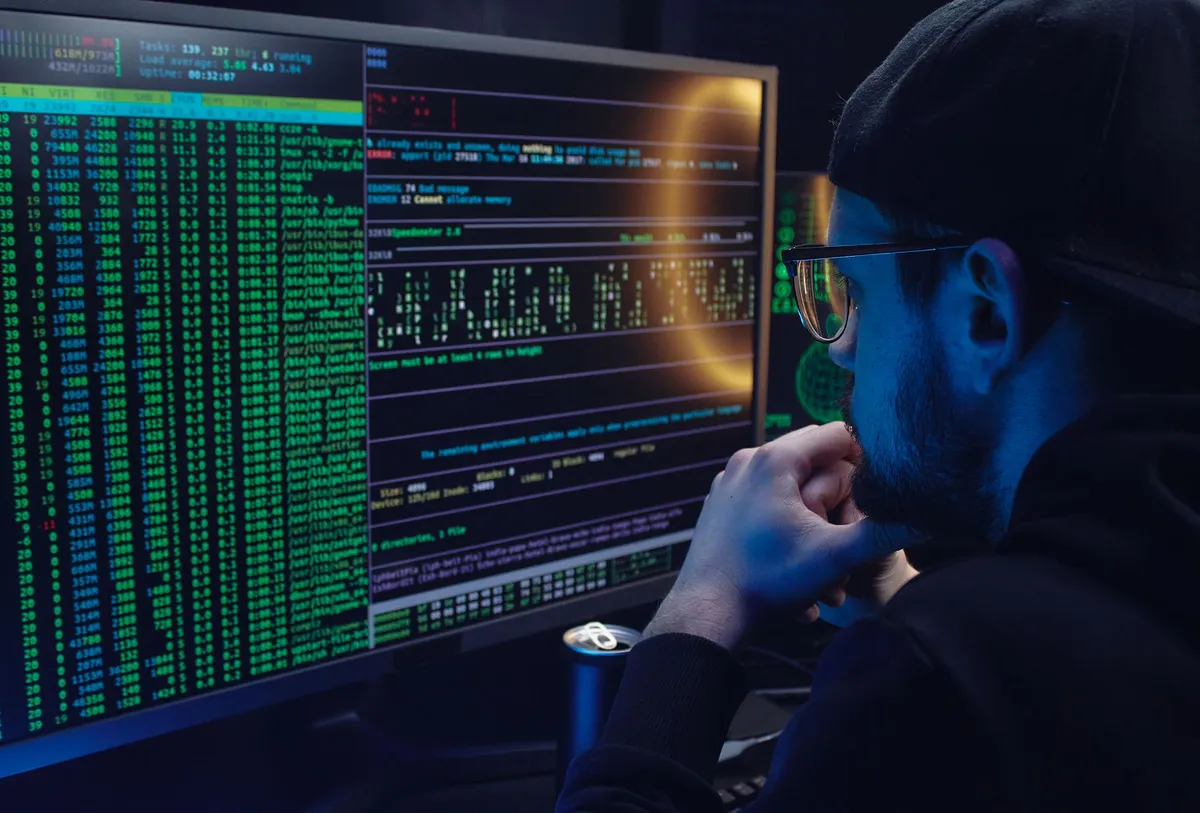
Key Takeaways
- GigaWiper combines disk-wiping, fake ransomware, and spyware capabilities, posing a significant threat to organizations.
- The use of AI in cybersecurity can enhance threat detection, vulnerability assessment, and incident response.
- Implementing regular software updates, employee training, MFA, AI-powered solutions, and regular backups are essential for effective cybersecurity.
Frequently Asked Questions
What should organizations do if they suspect a GigaWiper infection?
If an organization suspects a GigaWiper infection, they should immediately isolate the affected systems from the network to prevent further spread. Conduct a thorough investigation to assess the extent of the damage, and engage cybersecurity professionals to help with recovery and remediation. It is also crucial to report the incident to relevant authorities to help track the threat and prevent future attacks.
How does GigaWiper differ from traditional ransomware?
While traditional ransomware typically locks files and demands payment for their release, GigaWiper goes a step further by permanently erasing data on infected systems. This makes recovery much more difficult, as there is no chance of regaining access to the data once it is wiped. The psychological manipulation of appearing as ransomware adds to the danger, as victims may mistakenly believe they can recover their data by paying a ransom.
Can AI fully replace human cybersecurity experts?
While AI plays a crucial role in enhancing cybersecurity efforts, it is not a complete replacement for human experts. AI can analyze data and detect anomalies quickly, but it lacks the nuanced understanding and strategic thinking that human professionals bring to the table. A hybrid approach that combines AI capabilities with human expertise is the most effective strategy for robust cybersecurity defenses.
Comments
Apple vs. OpenAI: The High-Stakes Legal Battle Over Trade Secrets
Apple has filed a lawsuit against OpenAI, alleging trade secret theft and breach of contract. The case highlights the growing tensions in the tech industry over intellectual property as companies race to innovate.

Related articles




Popular in Cybersecurity
- Federal Mandate for Autonomous Vehicles: A Call for Safety Compliance
- EU Mandates Google to Share Data and Open AI on Android: What It Means
- GitHub Revamps Bug Bounty Program: Implications for Developers and Security
- Australian Government Disables Thousands of Functional Broadband Routers: A Wasteful Decision
- Exploiting Redis: Understanding Zero-Day Vulnerabilities and Their Mitigation