Securing Your Organization: The Threat of Dormant GitHub Accounts and AI Models
Dormant GitHub accounts pose a significant threat to corporate cybersecurity. This article explores how attackers exploit these accounts and offers actionable steps to safeguard your organization, especially in light of AI's growing role in cybersecurity.
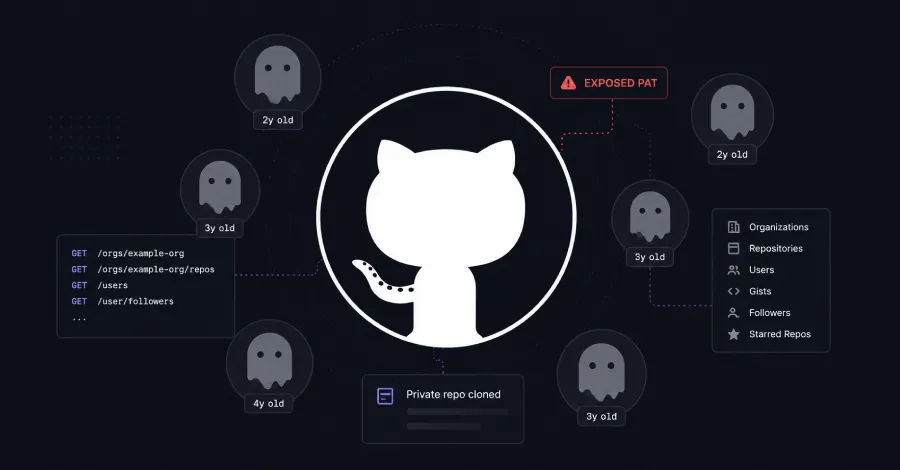
The rise of cloud-based development platforms has transformed the software landscape, enabling teams worldwide to collaborate seamlessly. However, with this convenience comes significant risk—particularly from dormant GitHub accounts. These accounts can easily be weaponized by cybercriminals to infiltrate corporate networks and access sensitive information. In this article, we will delve into how attackers utilize these dormant accounts and provide essential strategies to secure your organization against such threats.
The Threat of Dormant GitHub Accounts
GitHub, a popular platform for version control and collaboration, hosts millions of repositories containing both public and private code. Dormant accounts, which are those that have not been actively used for a significant period, can be particularly appealing to cybercriminals. Why? Because they often go unnoticed, allowing attackers to blend in with legitimate users while mapping out corporate organizational structures.
How Attackers Exploit Dormant Accounts
Attackers often take advantage of dormant accounts in several ways:
- Accessing Private Repositories: Dormant accounts may retain access to sensitive codebases, which can be exploited for malicious purposes.
- Reconnaissance: By analyzing the repositories and contributors associated with a dormant account, attackers can gather intelligence on a company's structure and key personnel.
- Credential Stuffing: If an organization uses the same credentials across multiple platforms, attackers can attempt to gain access using stolen credentials from a dormant GitHub account.
As organizations increasingly adopt DevOps practices, the need for vigilance regarding dormant accounts becomes paramount. Companies must recognize that even seemingly inactive accounts can pose serious security risks.

The Role of AI in Cybersecurity
Artificial Intelligence (AI) has emerged as a double-edged sword in the realm of cybersecurity. While AI can significantly enhance security measures, it can also be weaponized by attackers to identify and exploit vulnerabilities within software systems. AI models can analyze vast amounts of data to discover weaknesses in code, making it easier for attackers to launch successful exploits.
Identifying Vulnerabilities with AI
AI-driven tools can scan codebases for known vulnerabilities, but this capability can also be leveraged by cybercriminals. Here’s how:
- Automated Scanning: Attackers can use AI tools to automate the scanning of repositories for vulnerabilities, significantly speeding up their exploitation process.
- Learning from Past Attacks: AI can analyze past breaches to identify common vulnerabilities, allowing attackers to refine their strategies.
- Creating Phishing Campaigns: AI can craft sophisticated phishing emails that mimic legitimate communications, increasing the likelihood of successful social engineering attacks.
As AI technology continues to evolve, organizations must remain proactive in their cybersecurity strategies to mitigate these emerging threats.

Five Steps to Secure Your Organization Against Vulnerabilities
To safeguard your organization from the risks posed by dormant GitHub accounts and AI-driven vulnerabilities, consider implementing the following five steps:
1. Regularly Audit GitHub Accounts
Conduct regular audits of all user accounts, especially those that have been dormant for extended periods. Remove or disable any accounts that are no longer in use to minimize potential attack vectors.
2. Implement Multi-Factor Authentication (MFA)
MFA adds an additional layer of security by requiring users to verify their identity through multiple means. This can significantly reduce the risk of unauthorized access to accounts.
3. Educate Employees on Security Practices
Training employees on best security practices, including recognizing phishing attempts and maintaining strong password hygiene, is crucial for minimizing risks associated with human error.
4. Monitor for Unusual Activity
Utilize security monitoring tools to detect unusual activity within your GitHub repositories. Set alerts for any unauthorized access attempts or changes to critical files.
5. Leverage AI for Defense
While AI poses risks, it can also be a powerful ally in cybersecurity. Utilize AI-driven security tools to enhance threat detection, vulnerability assessment, and incident response capabilities.

Key Takeaways
- Dormant GitHub accounts can be exploited by attackers to gain unauthorized access to sensitive information.
- AI technology can both enhance cybersecurity measures and be weaponized by attackers to exploit vulnerabilities.
- Regular audits, MFA, employee training, monitoring, and AI tools are critical to securing your organization.
Frequently Asked Questions
What are dormant GitHub accounts?
Dormant GitHub accounts are user accounts that have not been actively used for an extended period. These accounts may still retain access to private repositories and other sensitive information, making them potential targets for attackers looking to leverage forgotten credentials.
How can I identify if my organization has dormant accounts?
To identify dormant accounts, conduct regular audits of your organization’s GitHub user base. Look for accounts with no recent activity, such as commits, pull requests, or issues filed. Additionally, implement policies that require regular account reviews to ensure that inactive accounts are promptly addressed.
What measures can I take to protect against AI-driven vulnerabilities?
To protect against AI-driven vulnerabilities, organizations should implement robust security practices, including regular vulnerability assessments, employee training, and the use of AI-driven security solutions that can detect anomalies and respond to threats in real-time.
Is it necessary to educate employees on cybersecurity?
Absolutely. Employee education is a vital component of any cybersecurity strategy. Human error is often a significant factor in security breaches, so training employees to recognize phishing attempts, maintain strong passwords, and follow security protocols can significantly reduce risks.
Comments
OpenAI's Copyright Conundrum: A Potential Crisis with News Organizations
OpenAI faces serious accusations that could undermine its defense in a copyright lawsuit from major news organizations. The outcome may redefine the relationship between AI and news content.

Related articles




Popular in Cybersecurity
- Federal Mandate for Autonomous Vehicles: A Call for Safety Compliance
- EU Mandates Google to Share Data and Open AI on Android: What It Means
- GitHub Revamps Bug Bounty Program: Implications for Developers and Security
- Australian Government Disables Thousands of Functional Broadband Routers: A Wasteful Decision
- Exploiting Redis: Understanding Zero-Day Vulnerabilities and Their Mitigation