OpenAI's Legal Battle: Allegations of Evidence Concealment in Copyright Case
OpenAI faces serious allegations in an ongoing copyright lawsuit, accused of hiding evidence regarding its training datasets. This case highlights critical issues around AI training practices, copyright law, and user privacy.
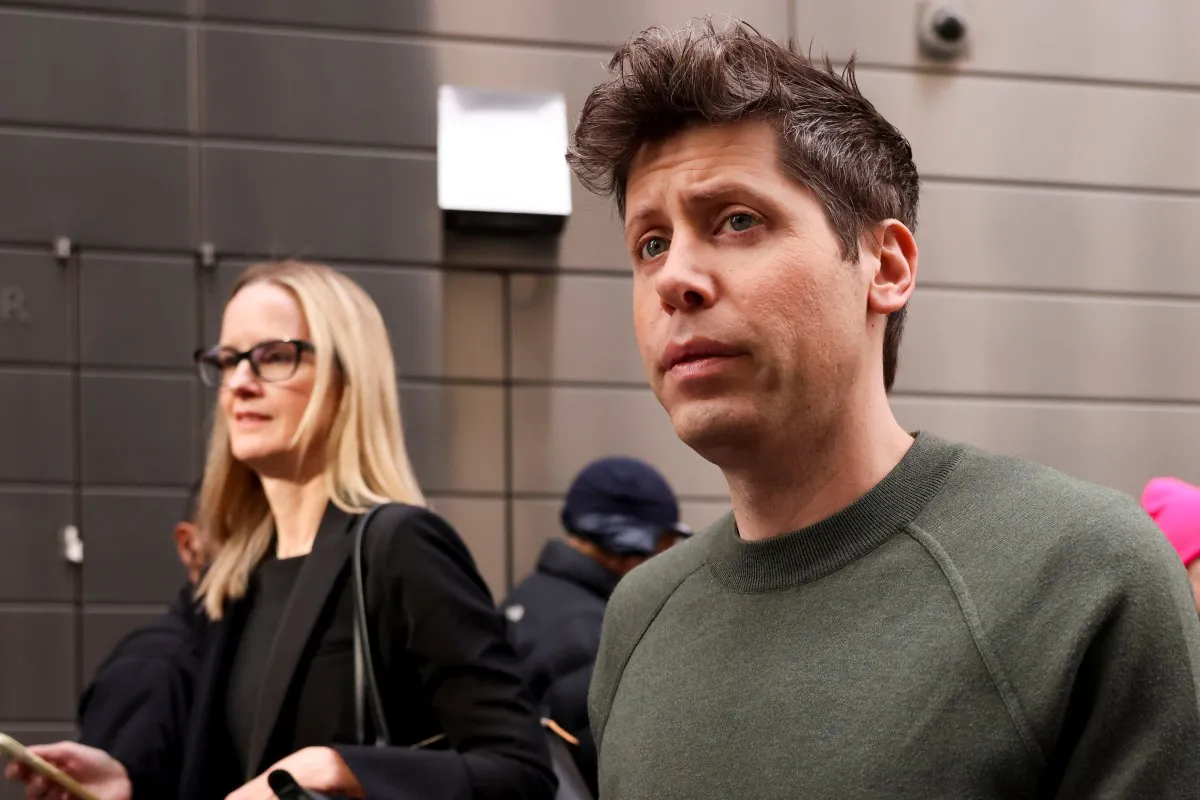
The controversy surrounding OpenAI has reached a boiling point as the New York Times and The Daily News accuse the tech giant of concealing evidence in a protracted copyright lawsuit. The crux of the matter revolves around allegations that OpenAI's generative AI models, such as ChatGPT, were trained on copyrighted journalistic content from these publications without permission, raising profound questions about copyright law, the ethics behind AI training practices, and user privacy.
In this ongoing legal battle, which has spanned two years, the plaintiffs contend that OpenAI has not only failed to disclose pertinent data but has actively obstructed the discovery process. The stakes are high, not just for OpenAI but for the broader tech industry as it grapples with the ethical and legal ramifications of AI technologies.
The Background: Copyright Laws and AI Training
Copyright law is designed to protect the rights of creators and their works, granting them exclusive rights to reproduce, distribute, and display their creations. For traditional industries like journalism, this legal framework is vital for safeguarding intellectual property, especially in an era where digital content can be easily reproduced and disseminated online.
As AI technologies have surged in popularity, the way such systems are trained has come under scrutiny. Generative AI, like OpenAI's ChatGPT, typically learns from vast datasets, often scraping information from publicly available sources, which can include copyrighted works. The legal question at the heart of this lawsuit is whether the use of such content constitutes fair use—a legal doctrine allowing limited use of copyrighted material without permission.
The Allegations Against OpenAI
The allegations against OpenAI stem from a deposition by Vinnie Monaco, a data privacy engineer at the company, which revealed that OpenAI had indeed conducted internal searches of its training data for copyrighted works prior to the lawsuit being filed. This revelation contradicts OpenAI's previous claims that it was unable to search its training corpus for specific content. The plaintiffs assert that OpenAI's actions amount to a deliberate attempt to obfuscate the extent of its use of copyrighted materials.
Furthermore, it has been alleged that OpenAI maintained a database of approximately 78 million de-identified ChatGPT conversations, which it utilized to assess the potential infringement on third-party content. This database raises critical questions about user privacy, as the conversations contain sensitive interactions that users may not have consented to be analyzed for legal purposes.

The Discovery Dispute
One of the most contentious issues in the ongoing litigation is the discovery process. The plaintiffs requested access to a sample of 120 million chat logs to analyze whether their copyrighted journalism was being reproduced in ChatGPT's outputs. OpenAI negotiated this down to just 20 million logs, but plaintiffs claimed that the resulting sample was so heavily redacted that it rendered the data effectively unusable.
Moreover, the plaintiffs have accused OpenAI of deleting billions of ChatGPT outputs after the lawsuit was filed, allegedly in violation of a court preservation order. Such actions, they argue, have made it unnecessarily challenging to gather evidence that could substantiate their claims against the AI company.
The Legal Ramifications
The implications of this lawsuit extend beyond the parties directly involved. If the courts find that OpenAI intentionally concealed evidence, they could impose sanctions or penalties that may significantly impact the company's operational practices. Additionally, this case could set a precedent for how AI firms are required to handle copyrighted material and user data in the future.
As the plaintiffs seek to hold OpenAI accountable, they are requesting that the court:
- Prevent OpenAI from using the disputed chat log sample as evidence.
- Accept as fact that the logs would have demonstrated substantial regurgitation of the plaintiffs’ content.
- Require OpenAI to cover the legal fees incurred in pursuing this evidence.

OpenAI's Response and Broader Implications
In response to these allegations, OpenAI has firmly denied any wrongdoing. A spokesperson for the company characterized the claims as an attempt by the plaintiffs to access private user conversations, emphasizing the importance of user privacy and the principles of fair use in their defense.
This ongoing saga not only illustrates the complexities of copyright law in the age of AI but also raises essential questions regarding user privacy and ethical data practices. As businesses increasingly turn to AI-driven solutions, understanding these legal frameworks will be vital for safeguarding intellectual property while fostering innovation.
Key Takeaways
- OpenAI is embroiled in a lawsuit over alleged copyright violations involving content from the New York Times and The Daily News.
- Claims of evidence concealment have emerged, highlighting potential ethical and legal breaches in AI training practices.
- The case underscores the need for clearer regulations surrounding copyright law and AI technologies.
- User privacy remains a significant concern as companies navigate the complexities of data usage in AI training.
Frequently Asked Questions
What are the main allegations against OpenAI in this lawsuit?
The primary allegations against OpenAI include claims of copyright infringement through the use of copyrighted materials from the New York Times and The Daily News for training its AI models. Furthermore, OpenAI is accused of concealing evidence related to its training datasets and manipulating the discovery process, which the plaintiffs argue undermines their ability to prove their case.
How does this case impact the future of AI and copyright law?
This case could set a significant precedent for how AI companies approach copyright law and the training of their models. Depending on the outcome, it may lead to stricter regulations governing how generative AI systems are trained and the extent to which they can utilize copyrighted materials, potentially reshaping industry standards and practices.
What are the implications for user privacy?
As OpenAI's practices come under scrutiny, this case highlights the broader issue of user privacy in AI technologies. The allegations that OpenAI analyzed user conversations without consent raise critical ethical concerns about how AI companies handle sensitive data and the transparency required in their operations. This may prompt calls for stricter data protection regulations to safeguard user privacy.
Comments
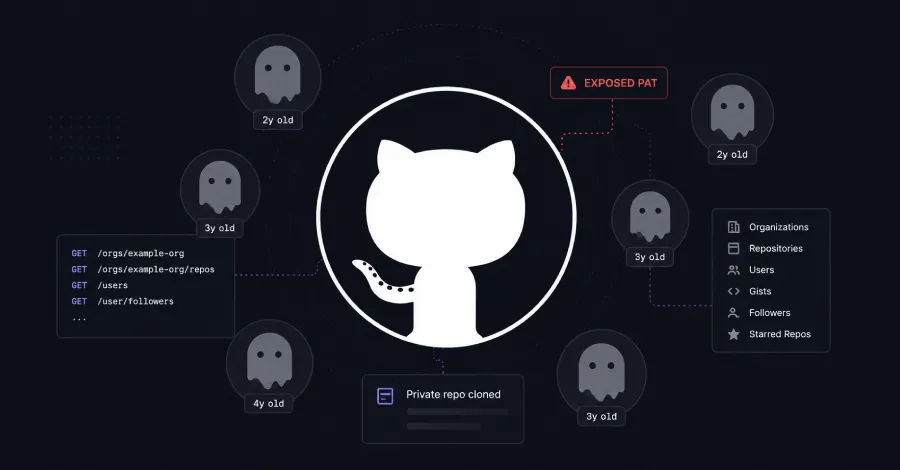
Securing Your Organization: The Threat of Dormant GitHub Accounts and AI Models
Dormant GitHub accounts pose a significant threat to corporate cybersecurity. This article explores how attackers exploit these accounts and offers actionable steps to safeguard your organization, especially in light of AI's growing role in cybersecurity.
Related articles



Popular in Cybersecurity
- Federal Mandate for Autonomous Vehicles: A Call for Safety Compliance
- EU Mandates Google to Share Data and Open AI on Android: What It Means
- GitHub Revamps Bug Bounty Program: Implications for Developers and Security
- Australian Government Disables Thousands of Functional Broadband Routers: A Wasteful Decision
- Exploiting Redis: Understanding Zero-Day Vulnerabilities and Their Mitigation