Judge Approves Musk-SEC Settlement Amid Concerns
A federal judge has approved a controversial $1.5 million settlement between Elon Musk and the SEC, voicing concerns about the implications for investor protections and regulatory integrity.
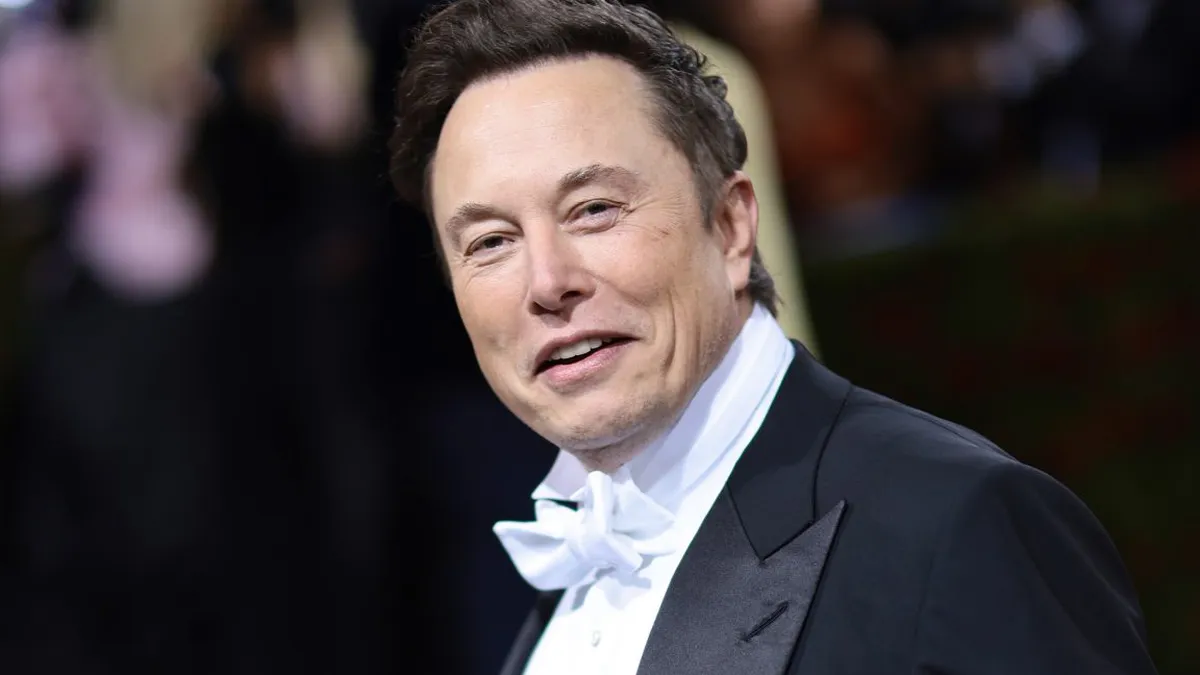
The financial and technological landscapes are often shaped by high-profile figures, and Elon Musk is undoubtedly one of them. Recently, a federal court made a significant ruling regarding Musk's dealings with the Securities and Exchange Commission (SEC). In a case that has sent ripples through investor and regulatory circles, US District Judge Sparkle Sooknanan approved a $1.5 million settlement between Musk and the SEC. However, her approval came with a heavy dose of skepticism and concern, raising questions about accountability and investor protection in the fast-evolving tech space.
Judge Sooknanan expressed significant reservations regarding the settlement, characterizing it as a lenient outcome for Musk, especially considering the alleged rule violations that purportedly harmed Twitter investors. Her order highlighted several "red flags" regarding the SEC's decision-making process, indicating that the ruling is not merely a rubber stamp of approval but a complex intersection of law, ethics, and investor rights.
Understanding the Settlement
The $1.5 million settlement emerges from allegations that Musk's actions may have misled investors, particularly in the context of his communications about Twitter's financial health. The SEC's role is to protect investors and maintain fair and orderly markets, so any perceived leniency toward a high-profile figure like Musk raises substantial concerns.
Judge Sooknanan's ruling underscores the limitations of judicial power when it comes to settlements. Despite her significant misgivings, she acknowledged the legal constraints that prevent her from rejecting the agreement outright. The judge noted that the circumstances did not meet the "high legal bar" required to block such settlements, indicating a complex relationship between the judiciary and regulatory agencies.

The Implications for Investors
This settlement has far-reaching implications for investors, particularly those involved with Twitter. Concerns arise about the message sent when prominent figures seemingly evade stringent repercussions for actions that may mislead investors. Here are some key points to consider:
- Investor Trust: Settlements perceived as lenient can erode trust in financial markets, making investors wary of relying on regulatory bodies to enforce rules fairly.
- Precedent for Future Cases: This case could set a precedent for how similar cases are handled in the future, particularly involving influential figures.
- Market Perception: The perception of regulatory leniency can affect stock prices and market stability, as investors react to the potential for unchecked behavior.
Regulatory Concerns and Accountability
Judge Sooknanan's concerns about the SEC's decision-making process highlight broader issues of accountability within regulatory agencies. The SEC is tasked with enforcing securities laws and ensuring that all investors have access to accurate information. However, the perception that certain individuals are treated differently due to their status can undermine the integrity of the agency.
Furthermore, the judge's comments about potential corruption in the settlement process raise questions about the independence of the SEC. If stakeholders believe that regulatory actions are influenced by political or personal relationships, the fundamental purpose of the agency is compromised.
Political Ramifications
Interestingly, Judge Sooknanan's comments also reflect the broader political climate in the U.S. Her reference to the role of the citizenry in holding Musk accountable at the ballot box suggests that the issue transcends the courtroom and enters the realm of public opinion and electoral influence. This connection is particularly relevant given Musk's public persona and his interactions with political figures.
It raises the question of how much influence such high-profile individuals wield over both regulatory bodies and public perception. As Musk continues to innovate and disrupt industries, the balance between regulation and innovation will be a hot topic in the political arena.

Future Outlook for SEC and Market Regulation
Looking ahead, the SEC may need to reassess its approach to settlements, particularly involving high-profile individuals. The agency must navigate the fine line between encouraging cooperation and ensuring accountability. If regulatory bodies are perceived as lenient, it can lead to a culture where rule violations are tolerated, especially among influential figures.
Moreover, as technology continues to evolve, the SEC will face new challenges in regulating emerging markets and digital assets. The need for transparency and accountability will be paramount, as investors demand greater protection against misleading practices.
Key Takeaways
- The $1.5 million settlement between Elon Musk and the SEC has raised concerns about transparency and investor trust.
- Judge Sooknanan expressed significant doubts about the leniency of the settlement, indicating potential flaws in SEC decision-making.
- The ruling underscores the complex relationship between regulatory bodies and the judicial system, particularly in high-profile cases.
- Implications for investor confidence and market stability are critical, as perceptions of fairness and accountability come into question.
Frequently Asked Questions
What are the main concerns regarding the Musk-SEC settlement?
The primary concerns surrounding the Musk-SEC settlement include the perceived leniency toward Musk's alleged violations, the implications for investor trust, and the potential for a precedent that may encourage similar behavior in the future. Judge Sooknanan's reservations about the SEC's decision-making process further complicate the situation, suggesting a need for greater scrutiny of regulatory actions.
How could this ruling affect future SEC cases?
This ruling could set a precedent for how the SEC approaches settlements with high-profile individuals. If stakeholders perceive that influential figures can evade harsh penalties, it may undermine the agency's effectiveness and credibility. Future cases may see more scrutiny and potential pushback from the judiciary, especially if they involve significant public interest.
What does this mean for investor confidence in the market?
The approval of the settlement, despite judicial concerns, could lead to decreased investor confidence. When investors feel that regulatory bodies are not enforcing rules uniformly, it can create a climate of uncertainty and hesitation. Trust in the market is essential for stability, and any perception of favoritism can jeopardize that trust.
How should investors respond to this situation?
Investors should remain vigilant and informed about the regulatory environment, particularly in sectors influenced by high-profile figures. Engaging in due diligence, diversifying portfolios, and advocating for transparency can help mitigate risks associated with potential regulatory shortcomings. Additionally, investors may want to participate in discussions about regulatory reforms to ensure that their interests are adequately represented.
Comments
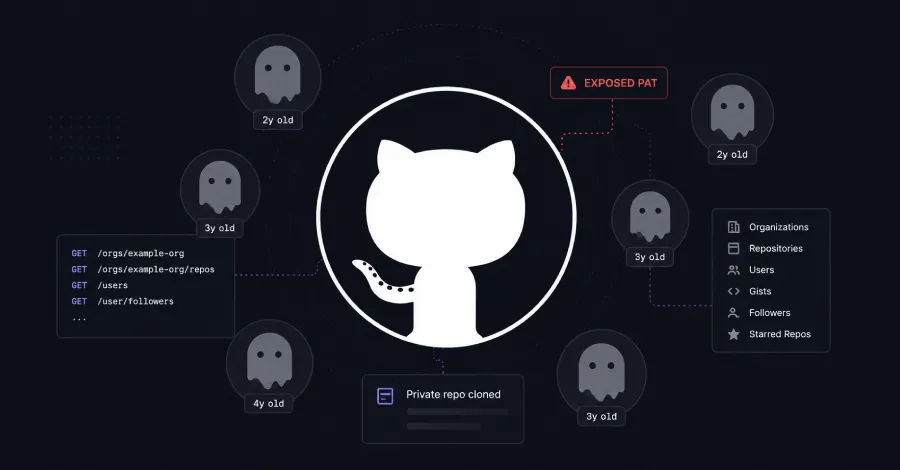
Securing Your Organization: The Threat of Dormant GitHub Accounts and AI Models
Dormant GitHub accounts pose a significant threat to corporate cybersecurity. This article explores how attackers exploit these accounts and offers actionable steps to safeguard your organization, especially in light of AI's growing role in cybersecurity.
Related articles



Popular in Cybersecurity
- Federal Mandate for Autonomous Vehicles: A Call for Safety Compliance
- EU Mandates Google to Share Data and Open AI on Android: What It Means
- GitHub Revamps Bug Bounty Program: Implications for Developers and Security
- Australian Government Disables Thousands of Functional Broadband Routers: A Wasteful Decision
- Exploiting Redis: Understanding Zero-Day Vulnerabilities and Their Mitigation