OpenAI's Copyright Conundrum: A Potential Crisis with News Organizations
OpenAI faces serious accusations that could undermine its defense in a copyright lawsuit from major news organizations. The outcome may redefine the relationship between AI and news content.

In an increasingly complex digital landscape, the collision between artificial intelligence and traditional media has reached a boiling point. OpenAI, the organization behind the popular language model ChatGPT, is entangled in a legal battle with major news outlets, including The New York Times, over allegations of copyright infringement. The stakes are high, not only for OpenAI but also for the future of content creation and consumption in the age of AI.
At the crux of this lawsuit is a contentious issue: whether OpenAI's technology constitutes fair use or outright infringement when it generates text based on prompts that may indirectly exploit news articles behind paywalls. The news organizations claim that many users are bypassing these paywalls by using ChatGPT to retrieve and summarize articles, raising significant ethical and legal questions surrounding the use of AI in content dissemination.
Understanding the Legal Landscape
Copyright law in the United States offers protection to original works of authorship, granting creators exclusive rights to reproduce, distribute, and display their content. However, the concept of fair use allows for limited use without permission under specific circumstances, often evaluated through four factors: the purpose and character of the use; the nature of the copyrighted work; the amount and substantiality of the portion used; and the effect of the use on the market for the original work.
OpenAI's argument for fair use hinges on its assertion that ChatGPT serves as a transformative tool, potentially reshaping how users interact with information. However, the news organizations counter with claims that OpenAI has intentionally concealed evidence of infringement, which could be pivotal in determining whether the AI's responses infringe copyright laws.

The Accusations Against OpenAI
Recent legal motions have intensified the scrutiny on OpenAI, particularly regarding its handling of user data logs. News organizations have accused OpenAI of misleading the court about its ability to search training data and concealing billions of logs that could provide crucial evidence. In a sanctions motion filed, the plaintiffs have called for serious penalties, arguing that OpenAI's actions undermine judicial processes and constitute bad faith.
The implications of these accusations are profound. If the court finds that OpenAI has indeed obscured evidence, it may weaken its position in the ongoing litigation, potentially leading to substantial fines or restrictions on its operations. This could have a ripple effect across the AI sector, particularly for companies developing similar technologies.
The Broader Implications for AI and Media
This legal battle is not just a fight between two entities; it represents a larger struggle over the ownership and distribution of information in an AI-driven world. As AI technologies become more integrated into everyday life, the boundaries of copyright are being tested. The outcome of this case could set critical precedents for how AI models are trained and deployed with respect to copyrighted materials.
Furthermore, if the court sides with the news organizations, it may prompt a reevaluation of how AI firms handle copyrighted content, potentially leading to:
- Stricter regulations on data usage and training methodologies.
- Increased licensing fees for using proprietary content in AI training.
- A shift in business models for companies relying on AI-generated content.
Conversely, a ruling in favor of OpenAI could embolden other tech companies to incorporate news content into their training datasets without fear of reprisal, raising further concerns among content creators about the erosion of their rights.

What Is at Stake for OpenAI?
The potential outcomes of this legal debacle could have significant repercussions for OpenAI. Beyond the immediate financial penalties, a loss in court might necessitate changes in how ChatGPT and similar models operate. For instance, OpenAI may need to implement more robust filtering mechanisms to prevent users from accessing copyrighted content through its AI.
Additionally, OpenAI's reputation could suffer lasting damage. As a leader in the AI field, it has advocated for ethical AI development and responsible usage. Being found liable for copyright infringement could contradict these principles, diminishing its credibility and potentially affecting future partnerships and funding opportunities.

What Can Stakeholders Do?
As the legal proceedings unfold, various stakeholders—ranging from content creators to technology firms—should remain vigilant and proactive. Here are several steps they can take:
- Stay Informed: Understand the implications of the case and how it may affect copyright laws in relation to AI technologies.
- Engage in Dialogue: Foster discussions between content creators and tech developers to explore fair compensation models that respect copyright.
- Advocate for Clear Guidelines: Support calls for legislative clarity regarding the use of AI in content generation, ensuring that the rights of creators are protected.
Ultimately, the outcome of OpenAI's legal challenges could reshape the landscape of both AI technology and media, making it crucial for all parties involved to engage in constructive dialogue on these pressing issues.
Key Takeaways
- OpenAI is embroiled in a lawsuit with major news organizations over copyright infringement.
- Allegations include the concealment of evidence that could undermine OpenAI's defense.
- The case may have far-reaching implications for the future of AI and copyright law.
- Stakeholders should actively participate in discussions about fair use and compensation for content creators.
Frequently Asked Questions
What are the main claims against OpenAI in the lawsuit?
The primary claims against OpenAI revolve around allegations of copyright infringement, specifically that its ChatGPT model is allowing users to bypass paywalls for news articles by summarizing or reproducing their content. News organizations assert that OpenAI has intentionally hidden evidence that could substantiate these claims, complicating the legal proceedings.
How does this lawsuit affect the future of AI technology?
The outcome of this lawsuit could set important precedents for how AI technologies interact with copyrighted material. A ruling against OpenAI may prompt stricter regulations and more defined boundaries for the use of copyrighted content in AI training, potentially influencing the development of future AI applications.
What should content creators do in light of this situation?
Content creators should remain informed about the case's developments and consider advocating for clearer guidelines surrounding copyright and AI. Engaging in discussions with technology firms about fair compensation models can also be beneficial in addressing concerns related to intellectual property rights.
Is there a possibility for a settlement in this case?
While the possibility of a settlement exists, it would require both parties to find common ground regarding the use of content and compensation. Given the high stakes involved, particularly for OpenAI's future operations and reputation, any potential settlement would need to address the fundamental issues of copyright and fair use to be meaningful.
Comments
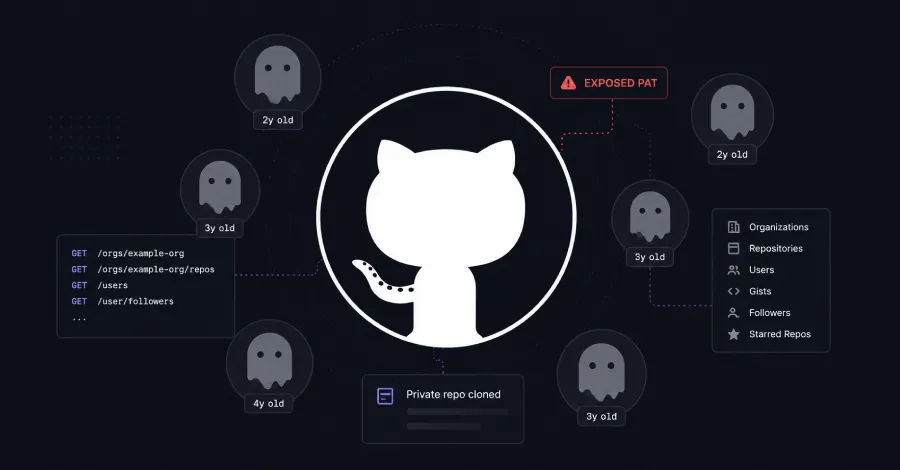
Securing Your Organization: The Threat of Dormant GitHub Accounts and AI Models
Dormant GitHub accounts pose a significant threat to corporate cybersecurity. This article explores how attackers exploit these accounts and offers actionable steps to safeguard your organization, especially in light of AI's growing role in cybersecurity.
Related articles




Popular in Cybersecurity
- Federal Mandate for Autonomous Vehicles: A Call for Safety Compliance
- EU Mandates Google to Share Data and Open AI on Android: What It Means
- GitHub Revamps Bug Bounty Program: Implications for Developers and Security
- Australian Government Disables Thousands of Functional Broadband Routers: A Wasteful Decision
- Exploiting Redis: Understanding Zero-Day Vulnerabilities and Their Mitigation