Meta's $18 Billion Settlement: A Landmark Decision for Child Safety Online
Meta's recent $18 billion settlement highlights the urgent issues of children's safety on social media. The agreement, reached with 29 states, frames a new standard in protecting young users online.
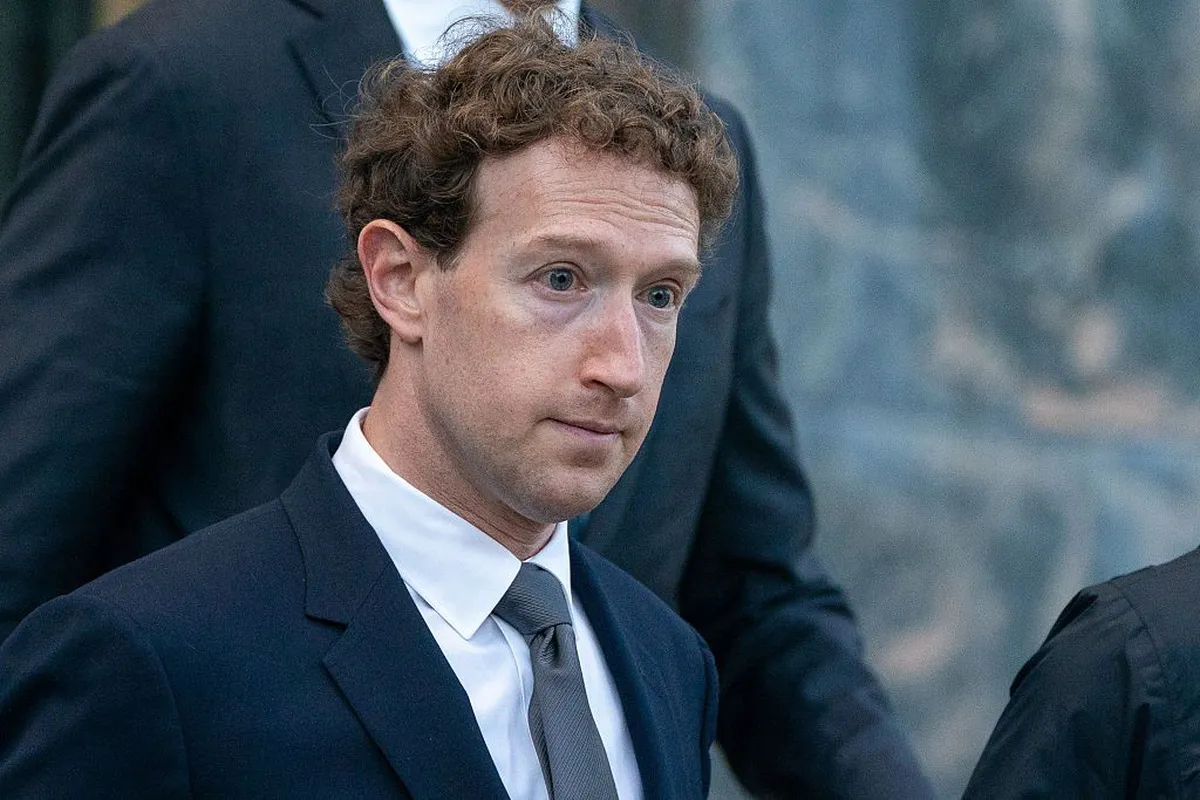
In a significant legal development, Meta Platforms Inc. has agreed to a staggering $18 billion settlement in response to a lawsuit filed by 29 U.S. states. This lawsuit accused the tech giant of knowingly designing its platforms, particularly Instagram and Facebook, to be addictive to children, while disregarding the potential harms these platforms pose to young users. The settlement underscores a growing concern about children's safety in the digital age, particularly as social media becomes an integral part of daily life for younger generations.
The crux of the lawsuit rested on allegations that Meta not only fostered an environment conducive to addiction but also violated the Children’s Online Privacy Protection Act (COPPA) by collecting data from minors without parental consent. This landmark settlement signals more than just a financial resolution; it represents a pivotal moment in addressing the ethical responsibilities of social media companies regarding child safety.
The Allegations Against Meta
The states involved in the lawsuit asserted that Meta was aware of the detrimental effects its platforms could have on children, including mental health issues, anxiety, and depression. Despite this knowledge, the company continued to prioritize user engagement and profit over the well-being of its younger audience. The allegations included:
- Addictive Design: The platforms were intentionally designed to captivate young users, keeping them engaged far longer than is healthy.
- Data Collection Violations: Meta reportedly collected personal data from children under the age of 13 without obtaining necessary parental approvals, in direct violation of COPPA.
- Negligence in Safeguarding: The lawsuit claimed that Meta failed to implement adequate measures to protect minors from harmful content and interactions.

Understanding COPPA and Its Implications
The Children’s Online Privacy Protection Act (COPPA) was enacted in 1998 to protect the privacy of children under 13 years of age. It mandates that websites and online services targeting children must obtain verifiable parental consent before collecting, using, or disclosing personal information from children. This act is crucial in the digital landscape, especially as children increasingly interact with online platforms.
Meta's alleged non-compliance with COPPA raises significant questions about the responsibilities of tech companies in safeguarding children's data. The implications of this lawsuit extend beyond Meta, potentially influencing how other platforms manage user data and content related to minors.
Meta's Response and Industry Impact
In light of the settlement, which does not constitute an admission of guilt by Meta, the company has positioned itself as a leader in advocating for improved safety measures across social media platforms. Meta's statement emphasized its commitment to ensuring that teenagers have a safe experience on its platforms. The company has called for industry-wide reforms, urging competitors like YouTube and TikTok to adopt stronger protections for young users.
Meta also outlined plans to enhance parental controls and provide resources for families to navigate the complexities of social media. This proactive approach, while partly motivated by legal pressures, indicates a shift in how social media companies may operate moving forward.

The Broader Landscape of Child Safety Online
The concerns expressed in the lawsuit reflect a broader societal recognition of the potential dangers associated with social media use among children. Mental health professionals, educators, and parents alike have raised alarms about the psychological effects of social media, including increased rates of anxiety, depression, and body image issues among adolescents.
As a result, several states have begun to explore legislation aimed at regulating social media platforms more stringently. This includes potential age verification processes, restrictions on data collection, and requirements for companies to disclose how they protect young users. The outcome of Meta's settlement may serve as a precedent for these emerging regulations, shaping the future of digital interaction for minors.

Key Takeaways
- Major Settlement: Meta's $18 billion settlement marks a significant legal and financial consequence for the company.
- COPPA Violations: The lawsuit highlights critical issues surrounding the violation of children's privacy rights as outlined in COPPA.
- Industry Leadership: Meta is positioning itself as a proponent of enhanced safety measures for minors across social media.
- Future Regulations: The outcome may influence future regulatory efforts aimed at protecting children online.
Frequently Asked Questions
What does the $18 billion settlement entail?
The $18 billion settlement reached by Meta involves financial compensation to the states that sued the company over allegations of endangering children's safety on its platforms. While Meta does not admit guilt, the settlement serves to resolve the legal disputes and may lead to changes in how Meta and other companies handle child safety and data privacy in the future.
How does COPPA protect children online?
The Children’s Online Privacy Protection Act (COPPA) mandates that websites and online services targeting children must obtain parental consent before collecting personal information. It aims to safeguard children under 13 from exploitation and ensure that parents have control over the information collected about their kids. Non-compliance with COPPA can lead to severe penalties for companies.
What changes can we expect from Meta following this settlement?
Following the settlement, Meta has indicated that it will implement enhanced safety measures for minors on its platforms. This includes improved parental controls, educational resources for families, and a call for industry standards that ensure the safety of young users across all social media platforms. These changes reflect a growing recognition of the need for better protections in the digital landscape.
Comments
Understanding Prompt Injection: The Invisible Threat in LLM Security
Prompt injection has emerged as a top cybersecurity threat in LLM applications, consistently ranking first on the OWASP Top 10 list. This article explores its implications, defenses, and the current landscape of AI security.

Related articles




Popular in Cybersecurity
- Federal Mandate for Autonomous Vehicles: A Call for Safety Compliance
- EU Mandates Google to Share Data and Open AI on Android: What It Means
- GitHub Revamps Bug Bounty Program: Implications for Developers and Security
- Australian Government Disables Thousands of Functional Broadband Routers: A Wasteful Decision
- Exploiting Redis: Understanding Zero-Day Vulnerabilities and Their Mitigation