The Evolving Role of Radiologists in the Age of AI
As artificial intelligence reshapes the healthcare landscape, radiologists are adapting to new technologies that enhance their diagnostic capabilities without replacing their expertise. This article explores the collaboration between AI and radiologists, the challenges they face, and the future of medical imaging.
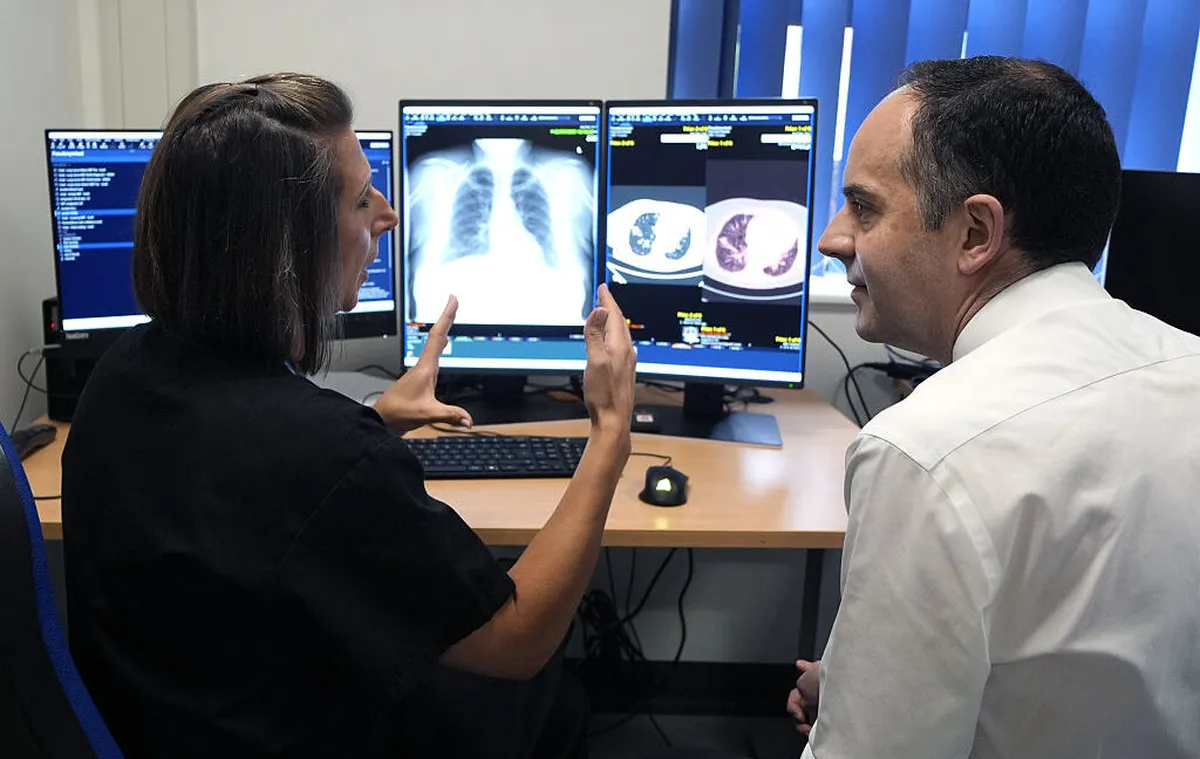
In recent years, the emergence of artificial intelligence (AI) has sparked a debate across various fields, particularly in healthcare, where its potential to revolutionize diagnostics is being closely examined. A decade ago, renowned AI pioneer Geoffrey Hinton boldly predicted that computers would render human radiologists obsolete. Fast forward to today, and the reality is quite different. Rather than replacing these skilled professionals, AI is fundamentally altering their roles, augmenting their capabilities, and enhancing patient care in ways that were once unimaginable.
As we stand at this intersection of technology and medicine, it is crucial to understand how AI can be integrated into the radiological workflow, the challenges it presents, and the implications for practitioners and patients alike. The growth of AI tools in radiology is not just a technological advancement; it signifies a paradigm shift in how medical professionals approach diagnostics.
The Rise of AI in Radiology
Radiology has become a focal point for AI applications, with approximately 75% of all AI-enabled medical devices approved by the FDA focusing on imaging techniques. This surge in AI adoption is indicative of the technology's potential to enhance diagnostic accuracy and efficiency. For instance, AI tools can assist in drafting reports, flagging urgent cases, and identifying abnormalities that may elude the human eye. Studies have shown that AI-assisted colonoscopies can detect polyps at a higher rate than traditional methods, which is critical given that human error rates in diagnostic imaging can reach 3 to 5%, translating to an estimated 40 million errors worldwide each year.
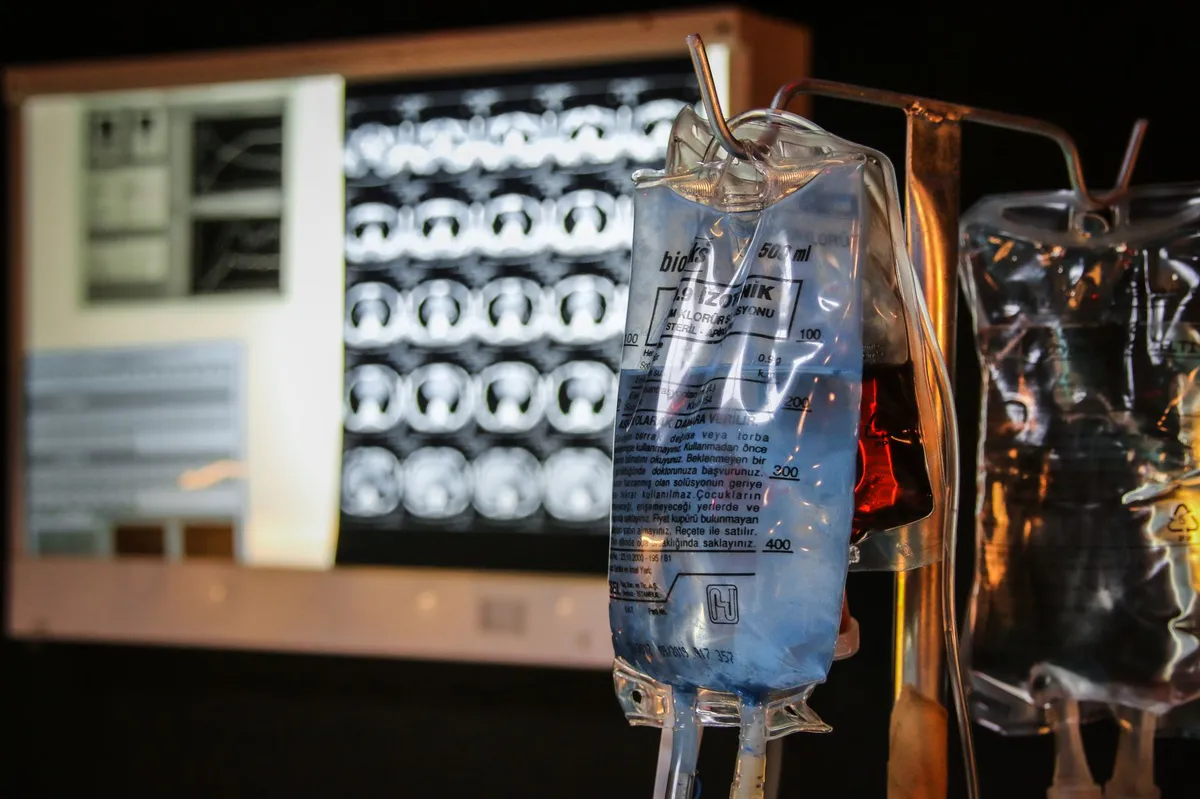
AI Performance vs. Human Expertise
Despite the impressive capabilities of AI, it is essential to recognize that these systems are not infallible. Radiologists like Curtis Langlotz from Stanford University emphasize that while AI can outperform humans in certain areas, such as detecting lung nodules, it still makes errors that trained radiologists might catch. The challenge lies in recognizing that AI’s strengths and weaknesses differ from those of human practitioners. For example, an AI system might achieve a detection rate of 95% for lung nodules, while radiologists might detect 90%. However, the crucial 5% that the AI misses could mean the difference between early intervention and delayed treatment.
Collaboration: The Key to Success
Integrating AI into the radiological workflow necessitates a shift in mindset for radiologists. Traditionally, physicians have relied on their judgment and experience to interpret medical images. However, with AI acting as a complementary tool, radiologists must learn to evaluate AI-generated insights critically. This collaborative model requires radiologists to embrace a new way of thinking about their role: as evaluators of AI recommendations rather than solely as decision-makers.
- AI assists in drafting reports and prioritizing cases.
- Neural networks analyze images with high accuracy but operate as 'black boxes'.
- Radiologists must adapt to evaluating AI decisions critically.
- Collaboration can enhance diagnostic accuracy and patient outcomes.

Understanding AI Limitations
A significant aspect of this collaboration involves understanding the limitations of AI systems. Many AI algorithms are based on neural networks, which excel at pattern recognition but often lack transparency in their decision-making processes. This opacity can create challenges when radiologists need to decide whether to trust an AI recommendation. Charles Kahn, editor of Radiology: Artificial Intelligence, points out that the inability to see how AI reaches its conclusions complicates the radiologist's task of determining the validity of those conclusions.
Challenges of Trust and Bias
As AI becomes increasingly integrated into radiology, practitioners face the challenge of navigating trust and bias. Automation bias occurs when physicians over-rely on AI recommendations, while automation complacency arises when they underestimate AI’s potential to make errors. Radiologists must maintain a critical eye, recognizing the value of AI while being vigilant against its shortcomings.
In a 2026 survey conducted by the American Medical Association, more than a quarter of physicians indicated they had received no training in AI, highlighting a significant gap in education. This lack of training can exacerbate biases, as physicians may not fully understand the AI systems they are working with. AI tools that provide confidence estimates for their evaluations could help bridge this gap, allowing radiologists to make informed decisions about when to trust AI findings.

The Future of Radiology: Adapting to Change
Looking ahead, the integration of AI into radiology is expected to continue evolving. As technology advances, radiologists will need to adapt their skills and practices to harness AI’s potential effectively. Learning to work alongside AI requires not only technical training but also a cultural shift within the medical community. Radiologists must embrace a collaborative mindset, recognizing that their unique expertise complements AI capabilities.
Ultimately, the future of radiology lies not in the replacement of human professionals but in the enhancement of their roles. As Langlotz aptly stated, “It’s not that AI will replace radiologists. Radiologists who use AI will replace radiologists who don’t.” This statement encapsulates the essence of the current transformation in radiology: the need for continuous learning and adaptation in an era where technology plays an increasingly pivotal role in healthcare.
Key Takeaways
- AI is transforming radiology, enhancing diagnostic accuracy without replacing radiologists.
- Collaboration between AI and radiologists is essential for optimizing patient care.
- Understanding AI limitations and maintaining a critical mindset is crucial for effective use.
- Training in AI tools is necessary to mitigate biases and improve outcomes.
Frequently Asked Questions
Will AI completely replace radiologists in the future?
No, AI is not expected to completely replace radiologists. Instead, it will serve as a tool to enhance their diagnostic capabilities. Radiologists who effectively integrate AI into their practice will be better equipped to provide accurate patient care, while those who do not adapt may find themselves at a disadvantage.
How can radiologists ensure they are using AI effectively?
To use AI effectively, radiologists should undergo training to understand the strengths and limitations of the systems they work with. This includes learning how to interpret AI-generated insights, recognizing potential biases, and maintaining a critical perspective on AI recommendations.
What role does training play in the integration of AI into radiology?
Training is essential for radiologists to effectively utilize AI tools. It helps them understand how AI systems function, enhances their ability to evaluate AI outputs, and fosters a collaborative environment where AI can complement human expertise rather than replace it.
What are the potential risks of relying too heavily on AI in radiology?
Relying too heavily on AI can lead to automation bias, where radiologists may overlook critical findings or trust AI recommendations without sufficient scrutiny. This can result in missed diagnoses or incorrect treatment plans. It is vital for radiologists to maintain a balance between utilizing AI and applying their clinical judgment.
Comments
Meta's $18 Billion Settlement: A Landmark Decision for Child Safety Online
Meta's recent $18 billion settlement highlights the urgent issues of children's safety on social media. The agreement, reached with 29 states, frames a new standard in protecting young users online.

Related articles



Popular in Cybersecurity
- Federal Mandate for Autonomous Vehicles: A Call for Safety Compliance
- EU Mandates Google to Share Data and Open AI on Android: What It Means
- GitHub Revamps Bug Bounty Program: Implications for Developers and Security
- Australian Government Disables Thousands of Functional Broadband Routers: A Wasteful Decision
- Exploiting Redis: Understanding Zero-Day Vulnerabilities and Their Mitigation