U.S. Sanctions Iran-Linked Hackers Targeting Critical Infrastructure
The U.S. government has imposed sanctions on Iranian hackers linked to breaches in critical infrastructure. This article examines the implications of these actions and provides insights into cybersecurity best practices.
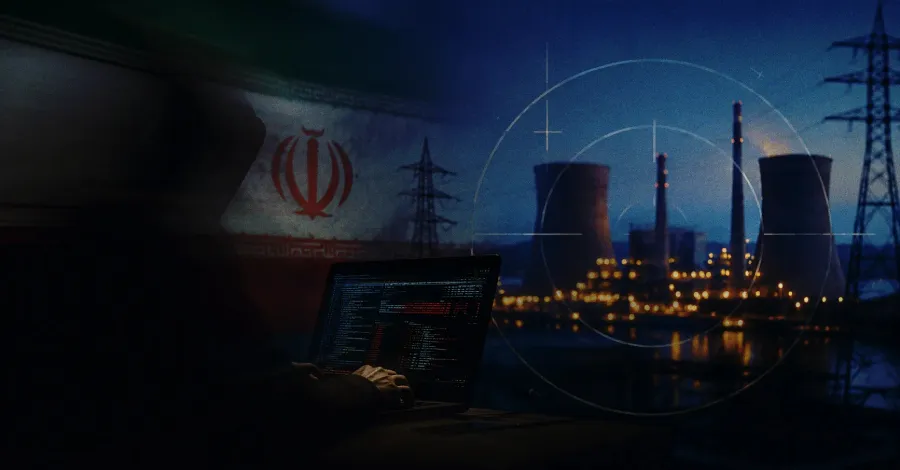
In a significant move to bolster national cybersecurity, the U.S. government has imposed sanctions on a group of Iranian hackers believed to be behind a series of breaches targeting critical infrastructure. This action underscores the seriousness with which the government views cyber threats to national security and the importance of protecting essential services from malicious actors. As cyberattacks become increasingly sophisticated, understanding these threats is crucial for businesses and government entities alike.
The recently sanctioned group, linked to the Iranian government, has been implicated in numerous attacks that have disrupted vital services, including energy, water, and transportation systems. This article delves into the implications of these sanctions, the nature of the threats posed by these hackers, and what organizations can do to safeguard their infrastructure against such vulnerabilities.
Understanding the Sanctions Against Iranian Hackers
The U.S. sanctions are part of a broader strategy to deter malicious cyber activities that threaten national security. By targeting specific individuals and entities involved in cyberattacks, the U.S. aims to disrupt their operations and hold them accountable for their actions. These sanctions prohibit U.S. individuals and businesses from engaging in transactions with the sanctioned parties, effectively cutting off their access to financial systems and resources.
The Role of Critical Infrastructure in National Security
Critical infrastructure refers to the systems and assets that are essential for the functioning of a society and economy. This includes sectors such as:
- Energy (electricity, oil, and gas)
- Water and wastewater systems
- Transportation (airports, railways, and shipping)
- Healthcare (hospitals and medical facilities)
- Finance (banks and stock exchanges)
When these systems are compromised, the consequences can be dire, leading to disruptions in services, financial losses, and even threats to public safety. The hackers sanctioned by the U.S. have shown a particular interest in exploiting vulnerabilities within these sectors, making it imperative for organizations to enhance their cybersecurity measures.
The Tactics Employed by Iranian Hackers
The Iranian hackers have employed a variety of tactics to infiltrate critical systems. Some of the most alarming methods include:
Phishing and Social Engineering
Phishing attacks remain one of the most common methods hackers use to gain unauthorized access. By tricking employees into providing sensitive information, such as passwords or security credentials, hackers can infiltrate systems with relative ease.
Exploitation of Software Vulnerabilities
Another tactic involves exploiting known vulnerabilities in software applications. By utilizing tools that scan for weaknesses, hackers can deploy malware or launch attacks that compromise system integrity.
Supply Chain Attacks
In some cases, attackers target third-party vendors or service providers to gain access to larger organizations. These supply chain attacks can be particularly damaging, as they often go undetected until significant damage has been done.

The Importance of Cyber Hygiene
As organizations work to protect themselves from these sophisticated threats, maintaining good cyber hygiene is essential. Here are several best practices that can help mitigate risks:
- Regular Software Updates: Ensure that all software is up-to-date to minimize vulnerabilities.
- Employee Training: Conduct regular training sessions to educate staff about phishing and social engineering tactics.
- Incident Response Plans: Develop and test incident response plans to ensure a swift and organized reaction to potential breaches.
- Network Segmentation: Segment networks to limit the potential impact of a breach.
- Multi-Factor Authentication: Implement multi-factor authentication to add an extra layer of security.
By adopting these practices, organizations can significantly reduce their risk of falling victim to cyberattacks.

Legal and Market Implications
The sanctions on Iranian hackers also have broader legal and market implications. As the global landscape of cybersecurity evolves, businesses must navigate compliance with government regulations while also addressing the threats posed by malicious actors. Organizations that fail to comply with cybersecurity regulations face legal repercussions, which can include hefty fines and reputational damage.
Moreover, companies that prioritize cybersecurity can gain a competitive advantage in the marketplace. As clients and consumers become more aware of cyber threats, they are increasingly seeking partners who demonstrate a commitment to protecting their data and infrastructure.
Key Takeaways
- The U.S. has sanctioned Iranian hackers to deter cyber threats against critical infrastructure.
- Critical infrastructure encompasses vital sectors like energy, water, and healthcare.
- Effective cybersecurity measures include regular updates, employee training, and incident response planning.
- Legal compliance is crucial, as non-compliance can lead to significant penalties.
- Organizations prioritizing cybersecurity can enhance their market reputation and competitiveness.
Frequently Asked Questions
What types of systems are considered critical infrastructure?
Critical infrastructure includes essential services and systems that support public health, safety, and the economy. This ranges from energy production and distribution to water supply systems and transportation networks. The security of these systems is paramount, as disruptions can lead to widespread consequences for society.
How can organizations protect themselves from cyber threats?
Organizations can implement a multi-layered cybersecurity strategy. This includes maintaining up-to-date software, providing employee training on security awareness, developing robust incident response plans, and employing technologies such as firewalls and intrusion detection systems. Additionally, organizations should consider regular security assessments to identify and address vulnerabilities.
What are the consequences of failing to comply with cybersecurity regulations?
Failing to comply with cybersecurity regulations can result in severe legal and financial consequences. Organizations may face fines, lawsuits, and damage to their reputation, which can lead to a loss of customer trust and decreased business opportunities. Compliance with regulations is not only a legal obligation but also a critical component of a strong cybersecurity posture.
What role do sanctions play in cybersecurity?
Sanctions serve as a tool for governments to deter and punish malicious cyber actors. By imposing financial and legal restrictions, governments can disrupt the operations of hackers and hold them accountable for their actions. Additionally, sanctions can signal to the international community the seriousness of cyber threats, encouraging collaboration among nations to combat these issues.
Comments
Meta's $18 Billion Settlement: A Landmark Decision for Child Safety Online
Meta's recent $18 billion settlement highlights the urgent issues of children's safety on social media. The agreement, reached with 29 states, frames a new standard in protecting young users online.

Related articles



Popular in Cybersecurity
- Federal Mandate for Autonomous Vehicles: A Call for Safety Compliance
- EU Mandates Google to Share Data and Open AI on Android: What It Means
- GitHub Revamps Bug Bounty Program: Implications for Developers and Security
- Australian Government Disables Thousands of Functional Broadband Routers: A Wasteful Decision
- Exploiting Redis: Understanding Zero-Day Vulnerabilities and Their Mitigation