Unraveling the Supermicro Scandal: AI Server Smuggling to China
A recent indictment involving Nvidia and Supermicro reveals serious national security concerns as a scheme to smuggle AI servers to China unfolds. This article delves into the implications for US-China relations, corporate governance, and the future of AI technology export controls.
In a shocking development that intertwines corporate governance with national security, Taiwanese authorities have indicted nine individuals linked to a scheme that allegedly involved smuggling high-end AI servers from Nvidia and Supermicro to China. This scenario reveals the growing tension between the United States and China in the field of artificial intelligence (AI), and poses critical questions about the effectiveness of export controls and corporate compliance. As AI technology becomes a crucial battleground for global supremacy, the implications of this scandal extend far beyond the realm of corporate ethics and finance.
The investigation, spearheaded by Taiwanese prosecutors, has unveiled a complex web of deceit involving document forgery and illegal exports, raising alarms over the operational integrity of multinational tech giants. With the US tightening its grip on semiconductor exports to China, the incident underscores the challenges that companies face in navigating an increasingly fraught geopolitical landscape.
The Scheme: Smuggling AI Servers
According to reports, the scandal revolves around the illegal export of Nvidia's cutting-edge AI servers to China, facilitated by employees from Supermicro, a prominent server manufacturer. The Taiwanese authorities have confirmed that these individuals conspired to forge documents, making it appear that the servers were installed and operational at facilities in Taiwan. In reality, many of these servers were clandestinely shipped to Chinese clients.
Key Findings from the Investigation
- 130 B300 servers: Initially documented as installed in Taiwan, many were found to have been illegally exported to China.
- 74 servers: Successfully delivered to Chinese customers despite the breach of US export controls.
- Document Forgery: Co-conspirators attempted to create false records to bypass regulatory scrutiny.
- Corporate Compliance Failures: The scheme exploited gaps in oversight at both Nvidia and Supermicro.

National Security Implications
The fallout from this scandal highlights the critical intersection of technology and national security. Since 2022, the US has mandated licenses for semiconductor exports to China, aimed at maintaining a technological edge in AI. The strategic importance of these chips has made them a focal point in the US-China rivalry.
As AI capabilities continue to evolve, access to advanced computing power is a significant factor driving progress for Chinese tech giants like Alibaba, Tencent, and ByteDance. The US government's determination to curb China's access to such technology is underscored by the introduction of proposed legislation, the Remote Access Security Act (RASA), which seeks to extend export controls to remote cloud access. This potential law aims to close loopholes that currently allow Chinese firms to exploit cloud-based services for AI development.
Corporate Governance and Compliance Challenges
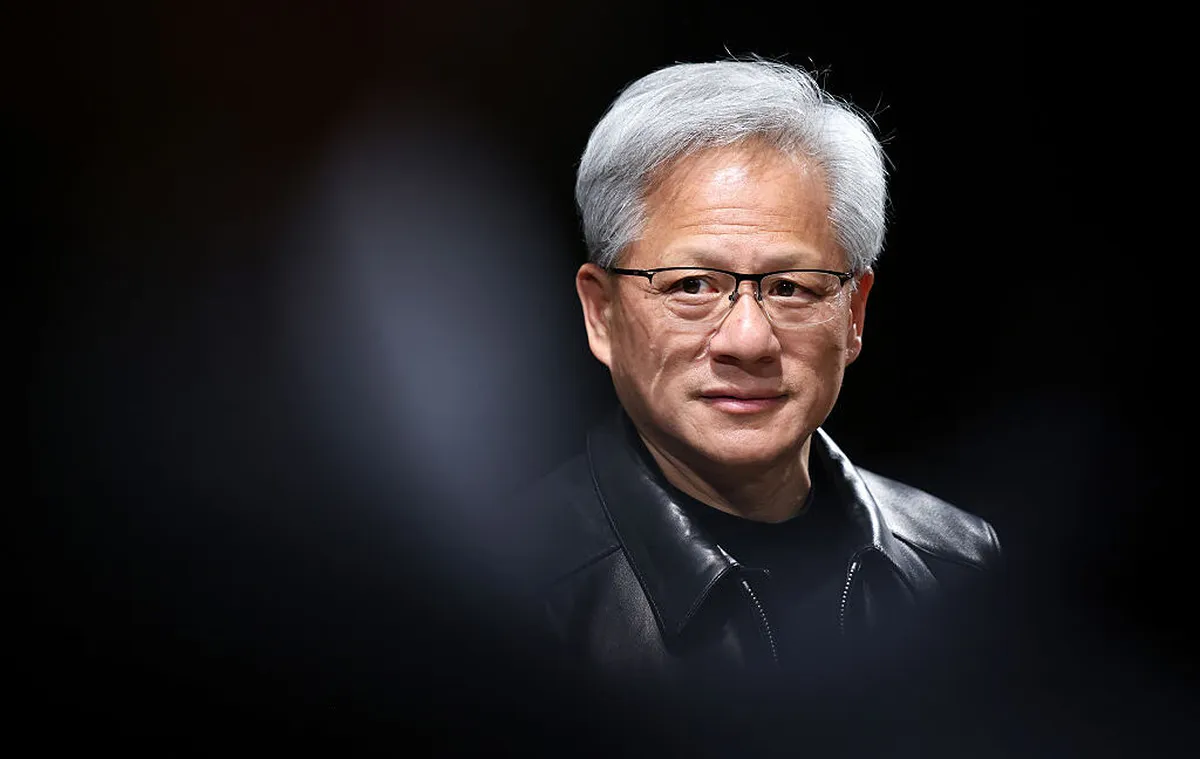
This scandal also raises pertinent questions about corporate governance within major technology firms. Nvidia CEO Jensen Huang's prior criticism of Supermicro's compliance practices highlights a growing awareness of the risks posed by lax internal controls. Despite assurances from Supermicro about its commitment to safeguarding advanced technologies, the company has faced scrutiny for failing to detect the diversion of billions of dollars' worth of hardware to dubious clients.
Internal Investigations and Consequences
In response to the ongoing probe, Supermicro has initiated internal investigations, resulting in the termination of several employees connected to the smuggling scheme. While the company has emphasized that current senior officials are not implicated, the scandal has nonetheless sparked investor concerns, leading to lawsuits for securities fraud as stakeholders fear the long-term impact on sales and corporate reputation.

Lessons from History: A Cautionary Tale
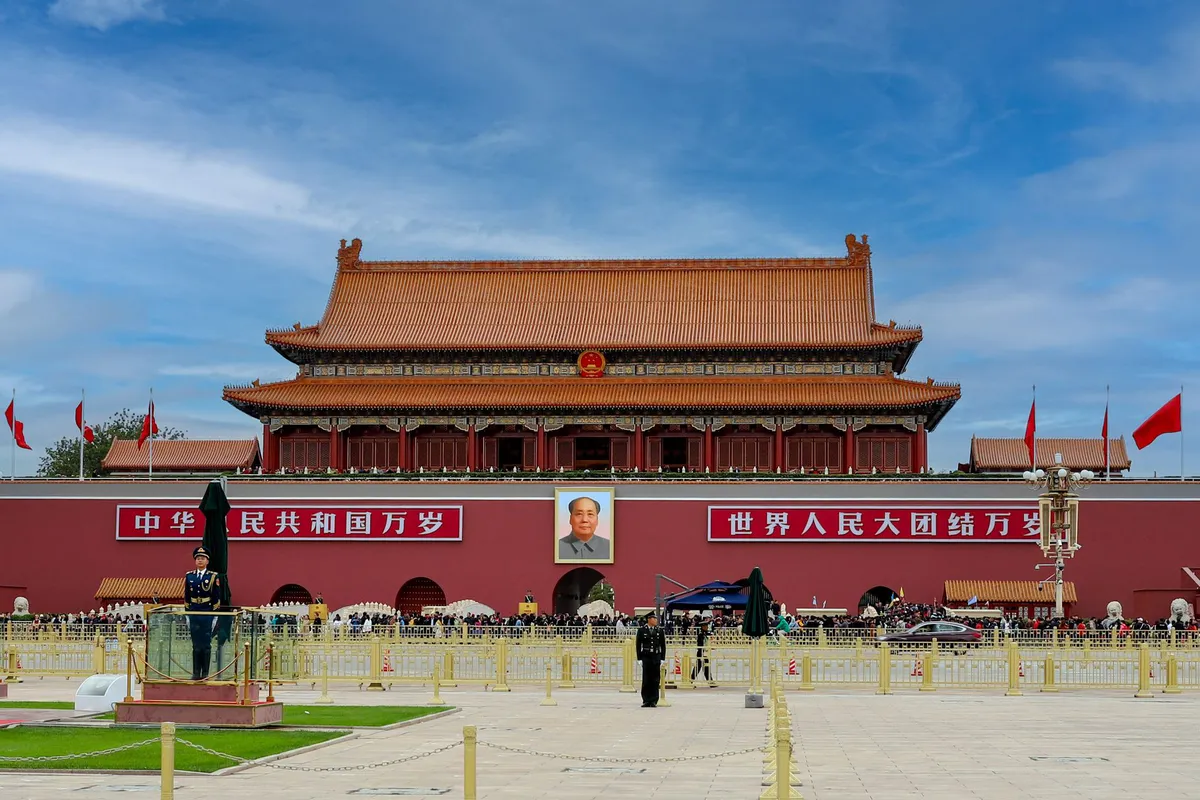
The Supermicro scandal serves as a reminder of the historical precedents that can inform current challenges. In the late 1990s, a similar incident known as “Chinagate” involved China leveraging Southeast Asian companies to infiltrate US politics. This historical context suggests that China has consistently employed strategic partnerships with foreign firms to achieve its objectives, often at the expense of international regulations.
Experts like Lauren Barden-Hair have argued that the current situation mirrors these past events, wherein an unnamed Southeast Asian firm allegedly played a pivotal role in facilitating the smuggling operation. This highlights the need for vigilance and adaptability in the face of evolving threats to national security.
Future of Export Controls and AI Technology
The implications of the Supermicro scandal are likely to shape the future of export controls and the global AI landscape. As the US government moves to tighten regulations, companies like Nvidia and Supermicro must reassess their compliance strategies to mitigate risks. The potential passage of RASA could further complicate the landscape for cloud providers, as they will be required to implement more robust know-your-customer protocols to prevent illicit access to AI technology.
The industry is at a crossroads, where the balance between innovation and security will dictate the trajectory of AI development. As US firms navigate this complex environment, they must remain vigilant against the risks posed by smuggling and ensure that compliance measures are not merely a checkbox exercise, but integral to their business operations.
Key Takeaways
- Indictments: Nine individuals, including Nvidia and Supermicro employees, have been charged with smuggling AI servers to China.
- National Security Risks: The US is tightening export controls to prevent China from accessing advanced AI technology.
- Corporate Accountability: Both Nvidia and Supermicro face scrutiny over compliance failures and potential legal repercussions.
- Historical Context: The scandal echoes past events where China exploited foreign firms to achieve its goals.
- Future Regulations: Proposed legislation may change how cloud providers operate to prevent illicit access to technology.
Frequently Asked Questions
What are the main allegations against Nvidia and Supermicro?
The primary allegations involve the illegal export of high-end AI servers to China, facilitated by employees from both companies who allegedly forged documents to bypass US export controls. Taiwanese prosecutors have indicted nine individuals for their roles in this scheme, highlighting serious compliance failures within these firms.
How could this scandal impact US-China relations?
The scandal is likely to exacerbate tensions between the US and China, particularly as the US government seeks to tighten export controls to safeguard national security. The incident underscores the importance of technological supremacy in the ongoing geopolitical rivalry, which could lead to further regulatory measures aimed at curbing China's access to advanced AI capabilities.
What steps are companies like Nvidia and Supermicro taking in response?
In light of the allegations, Nvidia and Supermicro are reassessing their compliance protocols and have initiated internal investigations. Supermicro has already terminated several employees connected to the scheme, emphasizing its commitment to protecting technologies and intellectual property. Both companies will need to navigate these challenges carefully to restore investor confidence and ensure adherence to export regulations.
What are the potential implications of the Remote Access Security Act (RASA)?
If passed, RASA would extend US export controls to include remote cloud-based access to critical hardware and software, which could significantly affect how foreign firms access AI technology. This legislation aims to close existing loopholes and could impose additional compliance burdens on cloud providers, potentially reshaping the operational landscape for tech companies with international ties.
Comments
Uber's New Live Video Streaming: Enhancing Teen Ride Safety
Uber has introduced a live video streaming feature for teen accounts, enabling parents to monitor their children's rides in real-time. This initiative aims to enhance safety and peace of mind for guardians.

Related articles





Popular in Cybersecurity
- Federal Mandate for Autonomous Vehicles: A Call for Safety Compliance
- EU Mandates Google to Share Data and Open AI on Android: What It Means
- GitHub Revamps Bug Bounty Program: Implications for Developers and Security
- Australian Government Disables Thousands of Functional Broadband Routers: A Wasteful Decision
- Exploiting Redis: Understanding Zero-Day Vulnerabilities and Their Mitigation