GM Electric Vehicles Under Scrutiny for Brake Issues: What You Need to Know
General Motors is facing a federal investigation over brake issues affecting its electric vehicles. With over a million vehicles potentially impacted, this raises serious safety concerns for consumers and the automotive industry at large.
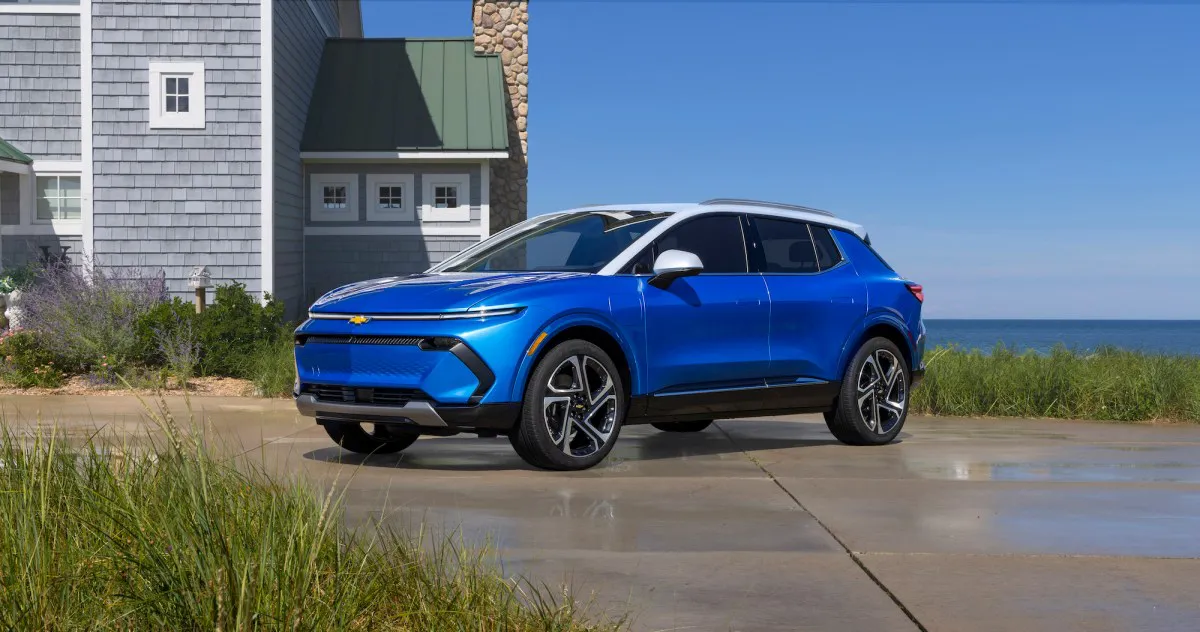
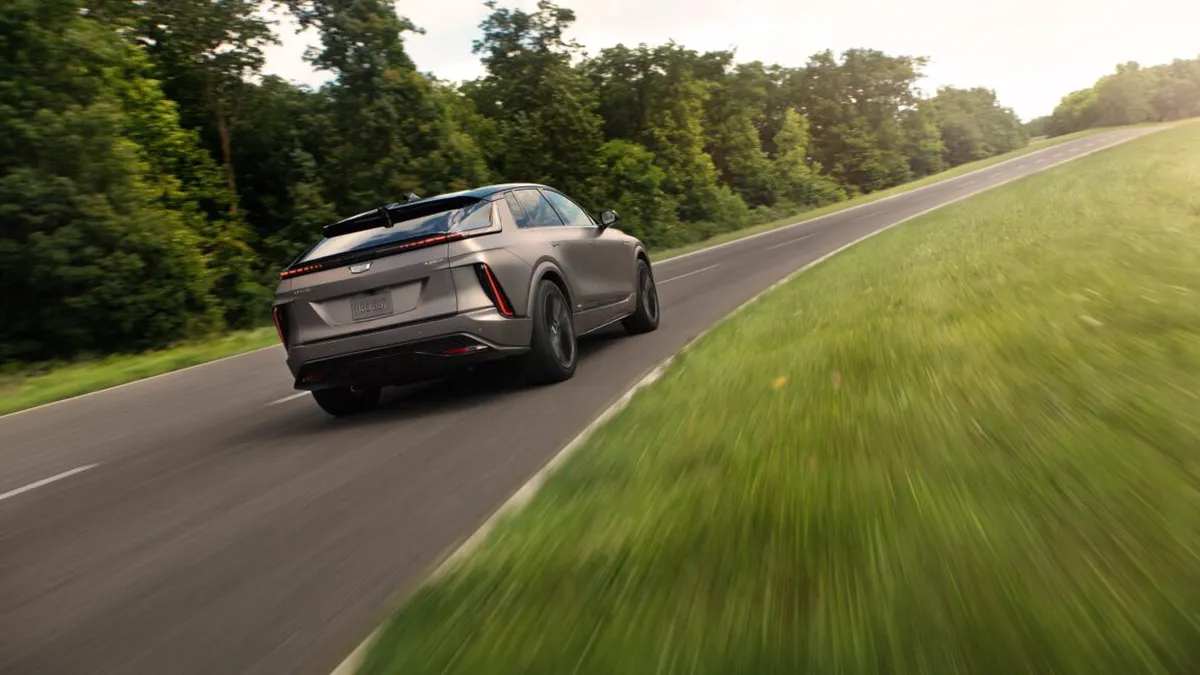
In an alarming turn of events, General Motors (GM) is under intense scrutiny from the National Highway Traffic Safety Administration (NHTSA) concerning brake issues found in its electric vehicles (EVs). With more than a million vehicles potentially affected and numerous reports of crashes and injuries, the implications for GM and its customers are significant. The investigation escalated from initial complaints regarding the 2023 model year Cadillac Lyriq, leading to an engineering analysis—the highest level of scrutiny by NHTSA.
This situation not only raises concerns about the safety of GM's electric vehicle fleet but also highlights broader issues regarding the reliability of emerging automotive technologies, especially as the industry shifts towards electric and increasingly complex driving systems.
Understanding the Brake System Failure
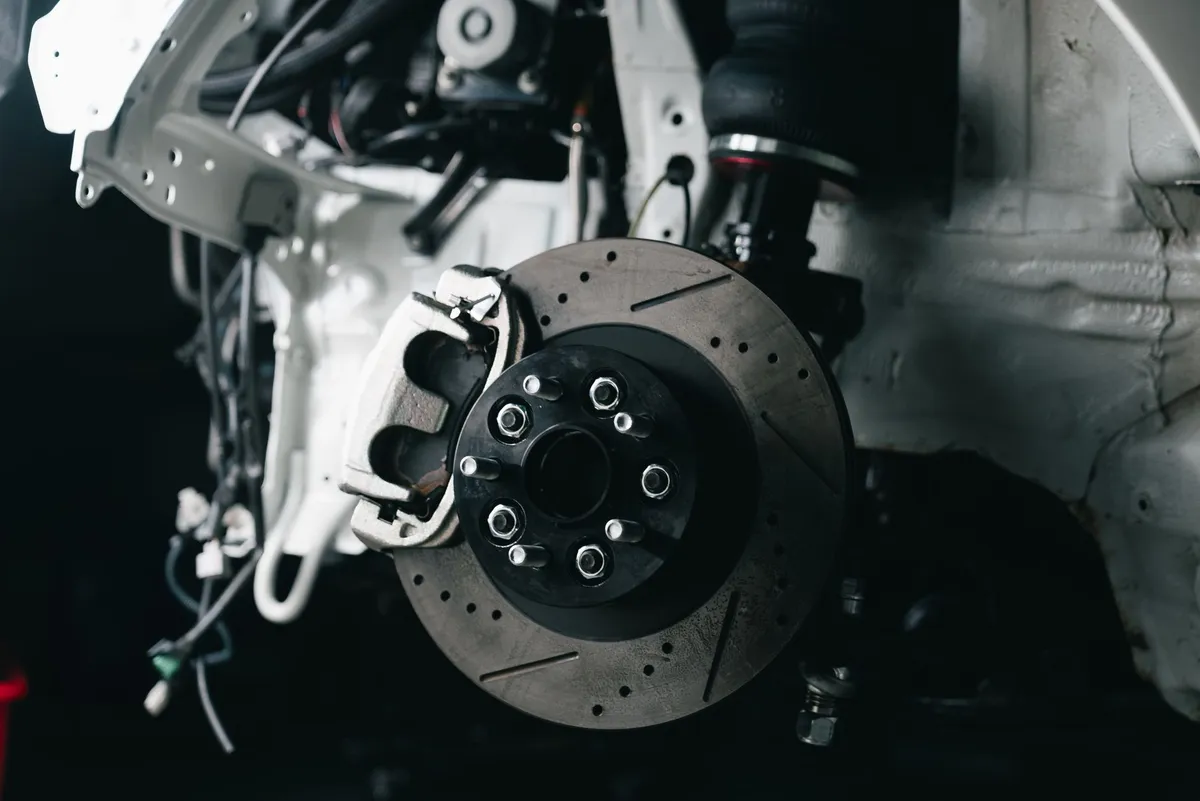
The key issue at hand revolves around GM's eBoost brake-by-wire system, which replaced traditional mechanical brakes with an electronic system. While this innovation allows for adjustments in braking feel depending on driving modes, it has also introduced significant risks. Reports have surfaced indicating that drivers of various GM models have experienced a sudden loss of brake assistance, which can drastically increase stopping distances and elevate the risk of accidents.
Initial Findings and Investigative Response
Initially, the NHTSA began its investigation in April 2024 after receiving complaints about the Cadillac Lyriq. Owners reported receiving a "Brake System Failure" message during vehicle start-up or after coming to a complete stop. GM conducted internal investigations and attributed the brake issues to fractures in the spindle of the eBoost system. However, further reports indicated that failures were occurring in ways not aligned with GM's findings, prompting the NHTSA to elevate the investigation.
In addition to the Cadillac Lyriq, the problem extends to several other models, including:
- Chevrolet Blazer EV
- Chevrolet Equinox EV
- Honda Prologue
- GMC Canyon
- Buick Enclave and Envision
The NHTSA's Office of Defects Investigation (ODI) indicated that the new reports of brake failures during braking maneuvers called for a more thorough engineering analysis. Such an analysis often leads to recommendations for recalls if the findings warrant it.
The Impacts of Brake System Failures
As the investigation unfolds, the ramifications for GM and its customers could be profound. The reported incidents range from minor accidents to severe crashes, highlighting a worrying trend in the reliability of modern braking systems. For instance:
Real-World Consequences
One notable incident involved a driver of a 2025 Lyriq, who lost braking capability while attempting to park, resulting in the vehicle crashing through a storefront. Another driver of the 2024 Blazer EV reported having to steer the vehicle into a concrete curb to avoid a collision at an intersection. Such experiences raise pressing questions about the safety mechanisms in place and the potential for serious injuries.
GM's Response and Future Directions
In response to the NHTSA's investigation, GM has emphasized its commitment to customer safety. The automaker stated, "The safety of our customers is the highest priority for the entire GM team. We take these reports seriously and have conducted a thorough investigation, determining the alleged condition does not present an unreasonable risk to motor vehicle safety." However, the disconnect between GM's findings and the increasing number of user-reported failures raises skepticism.
GM’s eBoost system, introduced in 2019, was designed to modernize braking systems in vehicles, allowing for enhancements in performance and flexibility. As GM continues to roll out this technology across more models, the scrutiny from federal regulators could influence the company’s future product development and the overall trajectory of its EV strategies.
Broader Implications for the Automotive Industry
This situation is indicative of larger trends within the automotive industry as it rapidly transitions to electric vehicles and advanced driving technologies. With increasing reliance on software and electronic systems, automakers are facing new challenges related to safety, reliability, and regulatory compliance.
Consumer Trust at Stake
The fallout from this investigation may have lasting effects on consumer trust. With more consumers considering electric vehicles for their eco-friendliness and technological advancements, safety incidents such as these can deter potential buyers and impact sales. There may be a broader call for improved regulations and more stringent oversight of the rapidly evolving electric vehicle market to ensure that safety is not compromised in the name of innovation.
Key Takeaways
- GM is under federal investigation for brake problems affecting over a million vehicles.
- The NHTSA has upgraded its probe to an engineering analysis, a precursor to potential recalls.
- Reported incidents include crashes and injuries, raising serious safety concerns.
- GM’s eBoost brake system, though innovative, has been linked to failures that jeopardize braking performance.
- The investigation could reshape consumer trust and regulatory approaches in the EV market.
Frequently Asked Questions
What is the eBoost brake-by-wire system?
The eBoost system is GM's innovative approach to braking, which replaces the traditional mechanical connection between the brake pedal and the braking system with electronic controls. This allows for customizable brake feel based on driving conditions and is featured in many of GM's electric vehicles, such as the Cadillac Lyriq and Chevrolet Blazer EV.
What should GM vehicle owners do if they experience brake issues?
If GM vehicle owners encounter brake system failures or any warning messages related to their braking systems, they should immediately contact their dealership or GM's customer service. It's essential to document any incidents and report them to the NHTSA, as this information contributes to the ongoing investigation.
How could this investigation affect future EV regulations?
This investigation could prompt regulators to implement stricter safety standards for electric vehicles, particularly concerning braking systems and software reliability. As the industry evolves, regulators may seek to ensure that technological advancements do not compromise vehicle safety, possibly leading to more comprehensive regulations for all EV manufacturers.
Will there be a recall of affected GM vehicles?
While it is currently uncertain whether a recall will be issued, the NHTSA's engineering analysis often precedes such actions. If the investigation corroborates the concerns raised by consumers, GM may be compelled to issue a recall to address the safety risks associated with the eBoost braking system.
Comments
Uber's New Live Video Streaming: Enhancing Teen Ride Safety
Uber has introduced a live video streaming feature for teen accounts, enabling parents to monitor their children's rides in real-time. This initiative aims to enhance safety and peace of mind for guardians.
Related articles





Popular in Cybersecurity
- Federal Mandate for Autonomous Vehicles: A Call for Safety Compliance
- EU Mandates Google to Share Data and Open AI on Android: What It Means
- GitHub Revamps Bug Bounty Program: Implications for Developers and Security
- Australian Government Disables Thousands of Functional Broadband Routers: A Wasteful Decision
- Exploiting Redis: Understanding Zero-Day Vulnerabilities and Their Mitigation