Federal Investigation Launched into GM's Brake-By-Wire System Failures
General Motors faces federal scrutiny after multiple reports of brake failures in over 1.1 million vehicles, raising significant safety concerns for consumers.
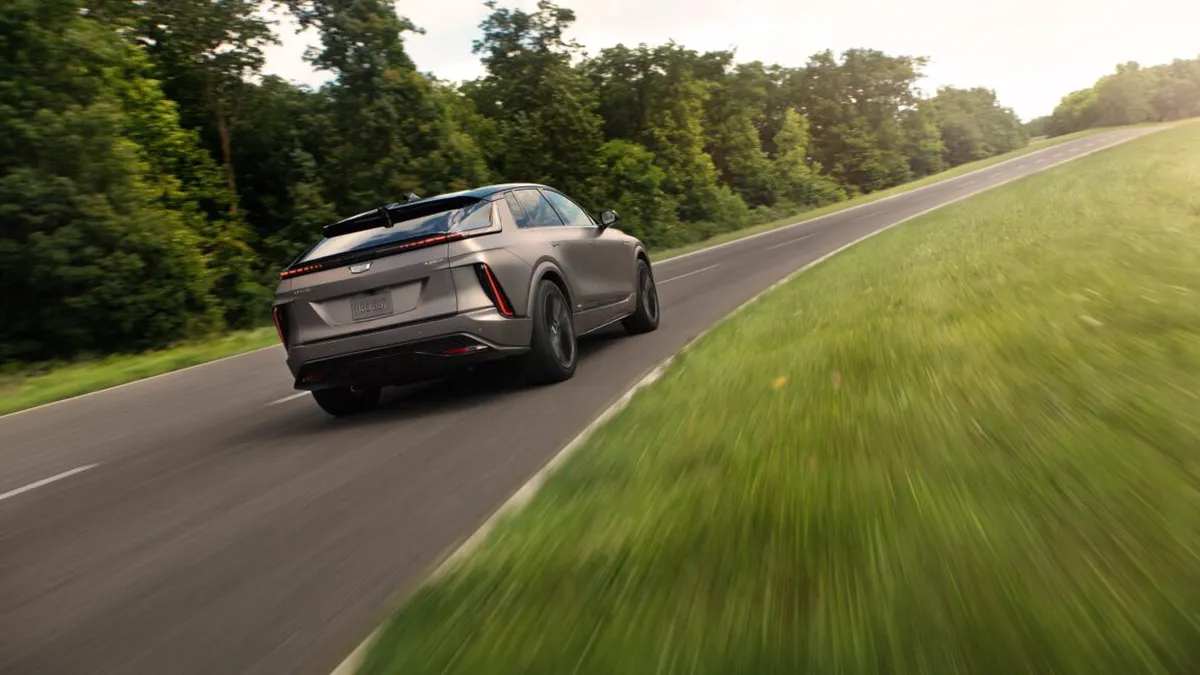
In a significant development for the automotive industry, General Motors (GM) is facing intensified scrutiny from federal regulators over a potentially dangerous defect in its brake-by-wire system known as eBoost. This investigation comes in the wake of numerous consumer reports detailing brake failures that have already resulted in multiple crashes and injuries. With over 1.1 million vehicles potentially affected, including a growing lineup of electric vehicles, the implications for safety and consumer trust are substantial.
The eBoost system, which is a critical component in many of GM's newer models, has been linked to at least 22 crashes, raising alarms among both consumers and safety regulators. The National Highway Traffic Safety Administration (NHTSA) has received a troubling number of complaints, with 227 formal incident reports and hundreds more communicated directly to GM. The potential for serious accidents due to brake failure poses an urgent question: how safe are these vehicles, and what does this mean for GM's reputation in an increasingly competitive market?
Understanding the eBoost Brake-By-Wire System
The eBoost system is designed to replace traditional hydraulic brake systems with a more advanced electronic mechanism, which offers various benefits like reduced weight and potentially better performance. However, the technology is complex and can be prone to failures that pose significant risks.
In normal operation, the eBoost system is intended to provide a seamless driving experience, utilizing electronic signals to engage the brakes. The reported issues stem from a defect that can lead to a spindle fracture while driving, which compromises the vehicle's braking ability. While GM maintains that critical safety features — including antilock brakes, traction control, and stability control — should remain operational until the vehicle comes to a complete stop, many reports suggest that the reality is far different.
Reported Incidents and Their Implications
The NHTSA's Office of Defects Investigation (ODI) has noted a concerning trend in the reports received. Many drivers have alleged that, contrary to GM's assurances, an eBoost failure can lead to an immediate loss of braking power. This discrepancy raises serious questions about the reliability of the safety protocols put in place by GM. The reported incidents have included:
- 227 formal incident reports submitted to NHTSA.
- 745 total occurrences reported to GM from consumers.
- 22 confirmed crashes linked to brake failures.
- Six injuries stemming from five of these crashes.
- No fatalities reported to date.

Vehicles Affected
The scope of the investigation encompasses a wide range of GM vehicles equipped with the eBoost system. According to NHTSA, the following models are currently under the microscope:
Vehicles Equipped with eBoost:- 2023-2026 Cadillac Lyriq
- 2023-2026 Chevrolet Colorado
- 2023-2026 GMC Canyon
- 2024-2026 Buick Enclave
- 2024-2026 Buick Envision
- 2024-2026 Chevrolet Blazer EV
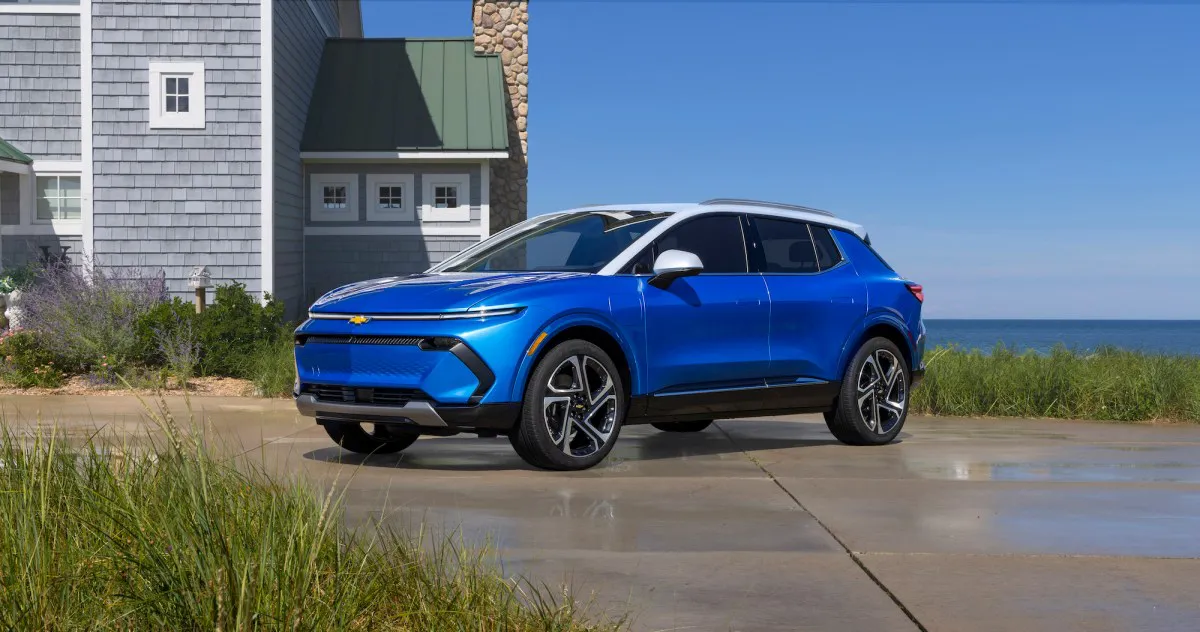
- 2024-2026 Chevrolet Equinox EV
- 2024-2026 Chevrolet Traverse
- 2024-2026 GMC Acadia
- 2025-2026 Cadillac Celestiq
- 2025-2026 Cadillac Optiq
- 2024-2026 Acura ZDX
- 2024-2026 Honda Prologue
This extensive list highlights the risk that many consumers face, especially as electric vehicles become increasingly popular. As GM continues to roll out new models, the implications of these safety concerns could have a lasting impact on consumer trust and brand loyalty.
Regulatory Response and Consumer Safety
The NHTSA’s ongoing investigation signals a broader regulatory response to potential safety issues in the automotive sector. As more electric vehicles enter the market, the regulatory landscape is evolving to ensure that manufacturers uphold rigorous safety standards. This situation not only affects GM but could also set precedents for how electric vehicles are scrutinized moving forward.
For consumers, the current situation poses several challenges. Those who own affected vehicles are urged to remain vigilant and report any brake-related issues to both GM and NHTSA. Additionally, it is advisable for consumers to stay informed about the investigation's outcomes, as this could lead to recalls or other necessary actions to ensure safety on the roads.
What Consumers Should Know
For those who own vehicles affected by the eBoost system, here are a few key recommendations:
- Monitor Performance: Pay close attention to any changes in braking performance, especially unresponsive brakes or unusual noises.
- Report Issues: Document and report any incidents to NHTSA and GM to ensure that the issue is formally recognized.
- Stay Updated: Keep an eye on news related to the investigation and any communications from GM regarding recalls or repairs.
Key Takeaways
- GM's eBoost brake-by-wire system is under federal investigation due to reported failures.
- Over 1.1 million vehicles, including electric models, may be affected.
- 227 incidents reported to NHTSA, leading to 22 crashes and multiple injuries.
- Consumers should monitor their vehicle's braking performance and report any issues.
Frequently Asked Questions
What is the eBoost brake-by-wire system?
The eBoost system is GM's advanced electronic braking technology that replaces traditional hydraulic systems with electronic signals to engage the brakes. While it offers advantages like reduced weight and improved performance, it has also shown vulnerabilities that can lead to brake failures.
How many vehicles are affected by this investigation?
Currently, the investigation encompasses over 1.1 million vehicles manufactured by GM, spanning various models, particularly those incorporating the eBoost system. This includes electric vehicles and models built for Honda and Acura.
What should I do if I own an affected vehicle?
If you own a vehicle equipped with the eBoost system, it is crucial to monitor the braking performance closely. Report any issues immediately to GM and NHTSA, and stay informed about the investigation's progress as it may lead to necessary recalls or repairs.
What are the potential consequences for GM?
Depending on the investigation's findings, GM could face significant repercussions, including recalls, legal liability, and damage to its brand reputation. The outcome may also influence future regulatory frameworks for electric vehicles and their safety standards.
Comments
Uber's New Live Video Streaming: Enhancing Teen Ride Safety
Uber has introduced a live video streaming feature for teen accounts, enabling parents to monitor their children's rides in real-time. This initiative aims to enhance safety and peace of mind for guardians.
Related articles





Popular in Cybersecurity
- Federal Mandate for Autonomous Vehicles: A Call for Safety Compliance
- EU Mandates Google to Share Data and Open AI on Android: What It Means
- GitHub Revamps Bug Bounty Program: Implications for Developers and Security
- Australian Government Disables Thousands of Functional Broadband Routers: A Wasteful Decision
- Exploiting Redis: Understanding Zero-Day Vulnerabilities and Their Mitigation