Controversy Surrounds Kentucky Organ Procurement Group Amid Shutdown Efforts
Network for Hope faces decertification amid allegations of improper organ donation practices. The case raises critical questions about organ procurement ethics and patient safety.

In a shocking turn of events, the Kentucky-based organ procurement organization, Network for Hope (NFH), is facing imminent shutdown by the U.S. Department of Health and Human Services (HHS). This decisive action comes on the heels of investigations that uncovered serious allegations of patient safety failures and ethical concerns regarding organ harvesting practices. The case has ignited a nationwide conversation about the ethics of organ donation, patient rights, and the procedures surrounding this life-saving medical practice.
The HHS announced its intention to decertify NFH, a move that would effectively halt its operations in Kentucky and neighboring regions, including parts of Indiana, Ohio, and West Virginia. This organization, which has been pivotal in coordinating organ donations, is now at the center of controversy that raises unsettling questions about the sanctity of human life and the decision-making processes in organ donation scenarios.
Background: The Rise of Organ Donation and Ethical Challenges
Organ donation in the U.S. has been a critical lifeline for countless individuals suffering from organ failure. With over 103,000 people currently on the transplant waiting list and more than 49,000 transplants performed last year, the demand for organs far exceeds the available supply. This disparity has led to increased scrutiny and the adoption of more complex criteria for determining donor eligibility.
One significant shift in recent years has been the rise of donations from individuals who have experienced circulatory death—when a person's heart has stopped beating. This contrasts with the traditional practice of obtaining organs from brain-dead donors. The legal and ethical implications surrounding these practices are profound, as organ procurement organizations (OPOs) like NFH must navigate a complex landscape of medical ethics and legal regulations.
The Allegations Against Network for Hope
The allegations against NFH are chilling. In 2021, a man named Anthony Thomas Hoover II experienced a drug overdose, leading to a state of unresponsiveness. His family, under the belief that he would not recover, consented to organ donation. However, as the organ retrieval process commenced, Hoover began to show signs of neurological improvement, which were reportedly overlooked by the organ procurement team.
Investigations conducted by HHS's Centers for Medicare & Medicaid Services and the Health Resources and Services Administration (HRSA) revealed that NFH had failed to adhere to patient safety protocols. In particular, the HRSA investigation revealed troubling findings in 351 cases where organ donations were authorized but later canceled due to concerning indicators of the patients' viability as donors. Notably, in 73 instances, patients exhibited neurological signs that should have disqualified them from being considered for organ donation.
The Fallout: Implications for Patients and Families
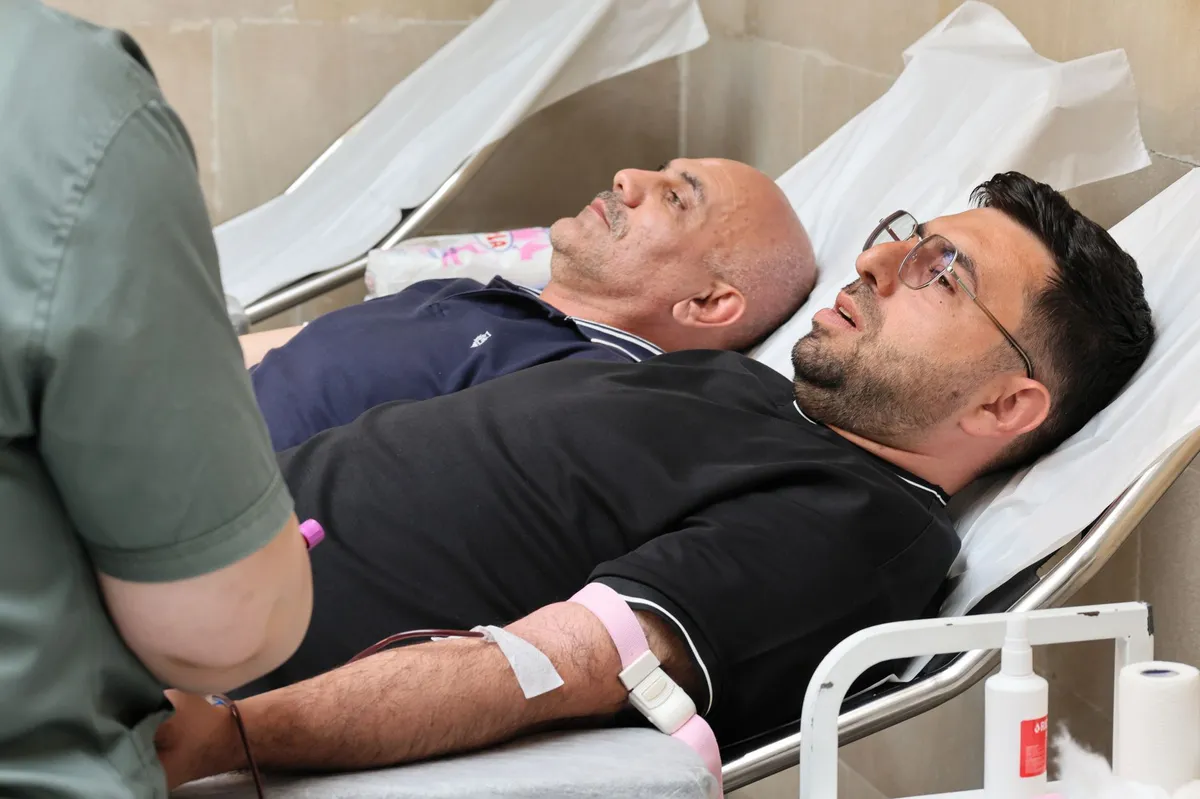
The repercussions of this case extend far beyond NFH itself. Families grappling with the emotional burden of deciding to donate a loved one's organs are now left questioning the integrity of the entire organ donation system. The fear that their loved ones could be subjected to such distressing circumstances is unsettling. Moreover, the incident raises important questions about the ability of OPOs to remain impartial in situations where the potential for organ donation exists.
In response to the public outcry following Hoover's experience, NFH claims to have implemented measures to ensure that families and healthcare providers can pause donation processes if there are any concerns. The state of Kentucky has even codified this “pause” policy into law, underscoring the urgent need for protective measures in the organ procurement process.
The Legal Landscape and Future of Organ Donation
The journey of this case unfolds against a complex legal backdrop. The National Organ Transplant Act governs organ procurement and mandates that OPOs must not be involved in decisions about patient care—specifically, the removal of life support. However, the lines can often blur in high-stakes medical situations where the potential for organ donation is involved.
As NFH prepares to appeal the decertification decision, the implications of their case could reverberate throughout the national organ donation landscape. If successful, NFH may continue its operations, but the ongoing scrutiny may push for reforms and stricter oversight within the organ procurement community. Conversely, if the decertification goes through, it may prompt a reevaluation of how organ donations are managed and coordinated across the country.
Public Response and the Future of Organ Procurement
The public's reaction to the allegations against NFH has been one of outrage and concern. Advocacy groups and individuals impacted by organ donation are calling for greater transparency and accountability within OPOs. This incident has highlighted the need for systemic reforms to prioritize patient safety and ethical conduct.
As the debate continues, stakeholders—including healthcare providers, legal experts, and patient advocacy groups—are urging for the establishment of clearer guidelines that delineate the roles and responsibilities of OPOs. The goal is to create a system that ensures ethical practices while maximizing the potential for successful organ donations without jeopardizing patient care.
Key Takeaways
- The Network for Hope organization is facing decertification due to serious allegations of ethical violations.
- Investigations revealed numerous instances where patient safety protocols were ignored during organ procurement.
- Families are increasingly concerned about the integrity of the organ donation process in light of recent events.
- The legal landscape governing organ procurement remains complex, with calls for reform and better oversight.
- Public advocacy for transparency and accountability in organ donation practices is growing.
Frequently Asked Questions
What led to the allegations against Network for Hope?
The allegations stem from a 2021 incident involving a man named Anthony Thomas Hoover II, who showed signs of improvement while being prepared for organ donation. Investigations revealed that NFH failed to follow safety protocols, ignoring the patient's neurological recovery in favor of proceeding with the organ harvest.
How does the organ donation process work in the U.S.?
In the U.S., organ donations are coordinated by OPOs, which are responsible for identifying potential donors, obtaining consent from families, and overseeing the medical procedures involved in organ retrieval. The entire process is governed by federal regulations designed to protect patients and ensure ethical practices. However, there have been numerous calls for reform to address gaps in oversight.
What are the implications of NFH's potential decertification?
If NFH is decertified, it would lose its ability to coordinate organ donations in its operating regions. This could lead to delays in organ retrieval and transplantation, placing additional strain on an already burdened system. Furthermore, the case could set a precedent for stricter regulations and oversight of OPOs nationwide.
What can families do to protect their loved ones in organ donation situations?
Families should be informed and proactive when it comes to organ donation discussions. They can inquire about the protocols in place, understand their rights, and communicate any concerns to healthcare providers. Additionally, families should feel empowered to pause the donation process if they have doubts about their loved one's condition or the appropriateness of proceeding with organ retrieval.
Comments
AI-Driven Genome Models: A New Frontier in Virus Design
Recent advancements in AI-driven genome models have opened up possibilities for designing new viruses, particularly bacteriophages. This article explores the implications, risks, and benefits of this technology in the context of antibiotic resistance and future biological research.

Related articles







Popular in Cybersecurity
- Federal Mandate for Autonomous Vehicles: A Call for Safety Compliance
- EU Mandates Google to Share Data and Open AI on Android: What It Means
- GitHub Revamps Bug Bounty Program: Implications for Developers and Security
- Australian Government Disables Thousands of Functional Broadband Routers: A Wasteful Decision
- Exploiting Redis: Understanding Zero-Day Vulnerabilities and Their Mitigation