Hadrian Secures $1.37 Billion to Revolutionize Defense Manufacturing
Defense technology company Hadrian has raised $1.37 billion at an $8 billion valuation, focusing on automated manufacturing for military vehicle parts. This investment marks a significant milestone in the defense sector's modernization.
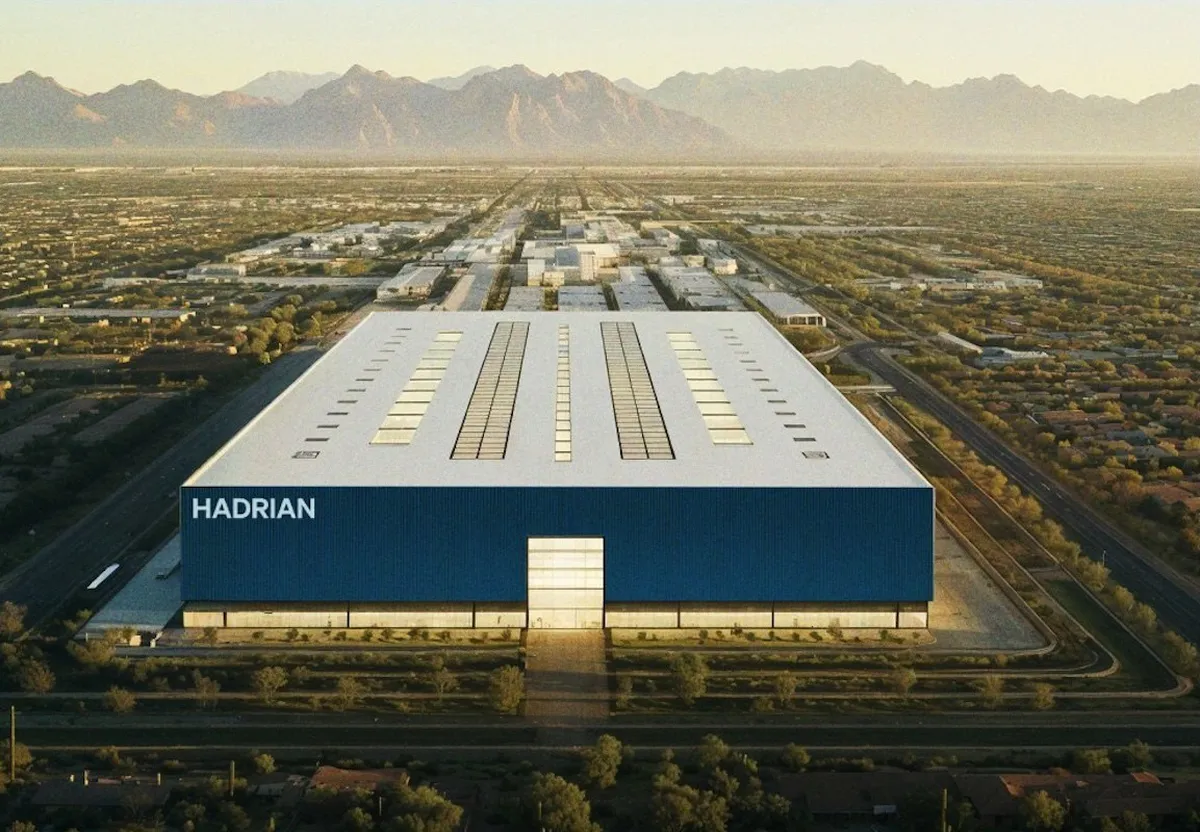
In a landmark funding round that underscores the importance of modernizing the defense sector, Hadrian, a pioneering defense technology company, has successfully raised $1.37 billion, leading to a staggering valuation of $8 billion. This influx of capital is particularly noteworthy as it positions Hadrian at the forefront of a significant shift in how military components are manufactured—emphasizing automation over traditional methods. The latest funding round attracted a plethora of high-profile investors, reflecting a growing interest in defense tech that prioritizes production efficiency and technological advancement.
The Investor Landscape
Hadrian's latest funding round saw participation from an impressive array of investors. Leading the charge were WCM Investment Management, Washington Harbour Partners, and Valor Equity Partners, alongside notable names such as 137 Ventures and Baillie Gifford. Other prominent participants included Morgan Stanley Wealth Management, funds managed by Apollo and T. Rowe Price, as well as venture capital heavyweights like Andreessen Horowitz and Founders Fund.
This diverse investor base indicates a robust confidence in Hadrian's business model and growth potential. Notably, the company's total funding to date has now reached approximately $2 billion, positioning it as a significant player in the defense manufacturing arena.

Hadrian's Unique Approach to Defense Tech
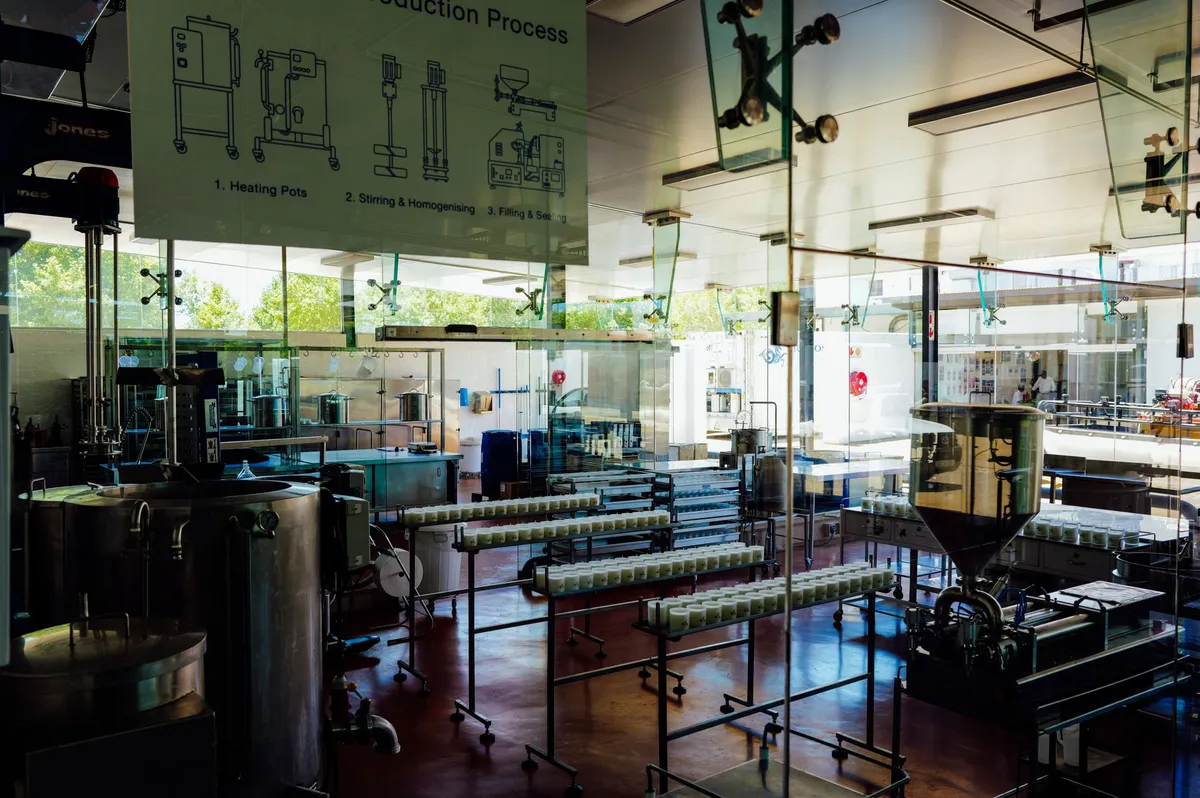
Unlike many defense firms that focus on developing new AI-driven weaponry, Hadrian is carving its niche by building automated manufacturing facilities designed to mass-produce essential parts for military vehicles already in use. This approach addresses a critical need within the defense sector: the ability to provide high-quality, reliable components at scale and with speed.
Automated Manufacturing Facilities
Hadrian's strategy involves the establishment of state-of-the-art facilities across the United States. For instance, the company recently inaugurated its fourth facility in Alabama, which is dedicated to producing parts for submarines. This facility represents a significant investment of $2.4 billion and operates under a public-private partnership model, showcasing how public resources can effectively collaborate with private industry to enhance national defense capabilities.
This innovative model not only enhances production efficiency but also has the potential to reduce costs and turnaround times for military parts, which have traditionally been bottlenecked by outdated manufacturing processes.
The Implications for National Security
Hadrian's advances in automated manufacturing come at a time when national security is increasingly centered on technological superiority. The U.S. military, facing evolving threats, requires a supply chain that can adapt swiftly to changing demands and produce high-quality parts without delays. By investing in automation and modern manufacturing techniques, Hadrian is positioning itself as a crucial partner to the defense sector, capable of meeting the military's evolving needs.
The implications of this funding round extend beyond Hadrian itself. As the company scales its operations, it will likely create thousands of jobs within the defense manufacturing sector, contributing to economic growth while simultaneously enhancing the nation's defense capabilities.
Challenges and Market Context
While Hadrian's growth trajectory appears robust, the company operates in an increasingly competitive and complex environment. The defense industry is under pressure to modernize amidst budget constraints and an urgent need for innovation. Moreover, geopolitical tensions continue to escalate, driving demand for advanced military capabilities.
Another challenge lies in the regulatory landscape. Defense contracts are subject to stringent regulations and oversight, which can complicate and slow down the approval processes for new manufacturing facilities and technologies. Hadrian will need to navigate these waters carefully to ensure that its growth is sustainable.
Future Outlook and Strategic Vision
Looking ahead, Hadrian plans to continue expanding its manufacturing capabilities and exploring new partnerships within the defense sector. The company’s vision is not just to be a supplier of parts but to become a comprehensive solution provider that integrates advanced manufacturing technologies with the needs of modern warfare.
As the demand for defense technologies grows, Hadrian's automated manufacturing approach could serve as a model for other companies aiming to innovate within the sector. The evolution of defense manufacturing is essential for maintaining national security, and Hadrian is well-positioned to lead this transformation.
Key Takeaways
- Funding Success: Hadrian raised $1.37 billion at an $8 billion valuation, highlighting investor confidence.
- Automated Manufacturing: The company focuses on building automated facilities for military vehicle parts, enhancing efficiency.
- Job Creation: Hadrian's expansion will likely contribute to significant job growth in the defense sector.
- Strategic Partnerships: The public/private partnership model is crucial for funding and facilitating operations.
- Future Vision: Hadrian aims to integrate advanced technologies into the defense supply chain.
Frequently Asked Questions
What is Hadrian's primary focus in the defense sector?
Hadrian focuses on automating the manufacturing of parts for existing military vehicles, rather than developing new weaponry. This approach aims to improve efficiency and reduce production times for critical military components.
How does Hadrian's funding impact the defense industry?
The $1.37 billion funding round allows Hadrian to expand its manufacturing capabilities, potentially revolutionizing how military parts are produced. This could lead to faster production times and lower costs, ultimately enhancing national security.
What challenges does Hadrian face in the defense market?
Hadrian faces challenges related to regulatory approvals for defense contracts, as well as the need to stay competitive in a rapidly evolving technological landscape. Navigating budget constraints and geopolitical tensions is also critical for the company’s success.
What are the implications of automated manufacturing for national security?
Automated manufacturing can significantly enhance the efficiency and responsiveness of the defense supply chain. By enabling quicker production of high-quality components, it helps ensure that the military can adapt to new threats and maintain a technological edge over adversaries.
Comments
AI-Driven Genome Models: A New Frontier in Virus Design
Recent advancements in AI-driven genome models have opened up possibilities for designing new viruses, particularly bacteriophages. This article explores the implications, risks, and benefits of this technology in the context of antibiotic resistance and future biological research.

Related articles







Popular in Cybersecurity
- Federal Mandate for Autonomous Vehicles: A Call for Safety Compliance
- EU Mandates Google to Share Data and Open AI on Android: What It Means
- GitHub Revamps Bug Bounty Program: Implications for Developers and Security
- Australian Government Disables Thousands of Functional Broadband Routers: A Wasteful Decision
- Exploiting Redis: Understanding Zero-Day Vulnerabilities and Their Mitigation