LightSpy Spyware: A New Threat Linked to China Targets Global Victims
LightSpy spyware, previously linked to Chinese hackers, has evolved into a sophisticated tool targeting victims across 13 countries, including the U.S. This article explores its capabilities, implications, and how organizations can protect themselves.
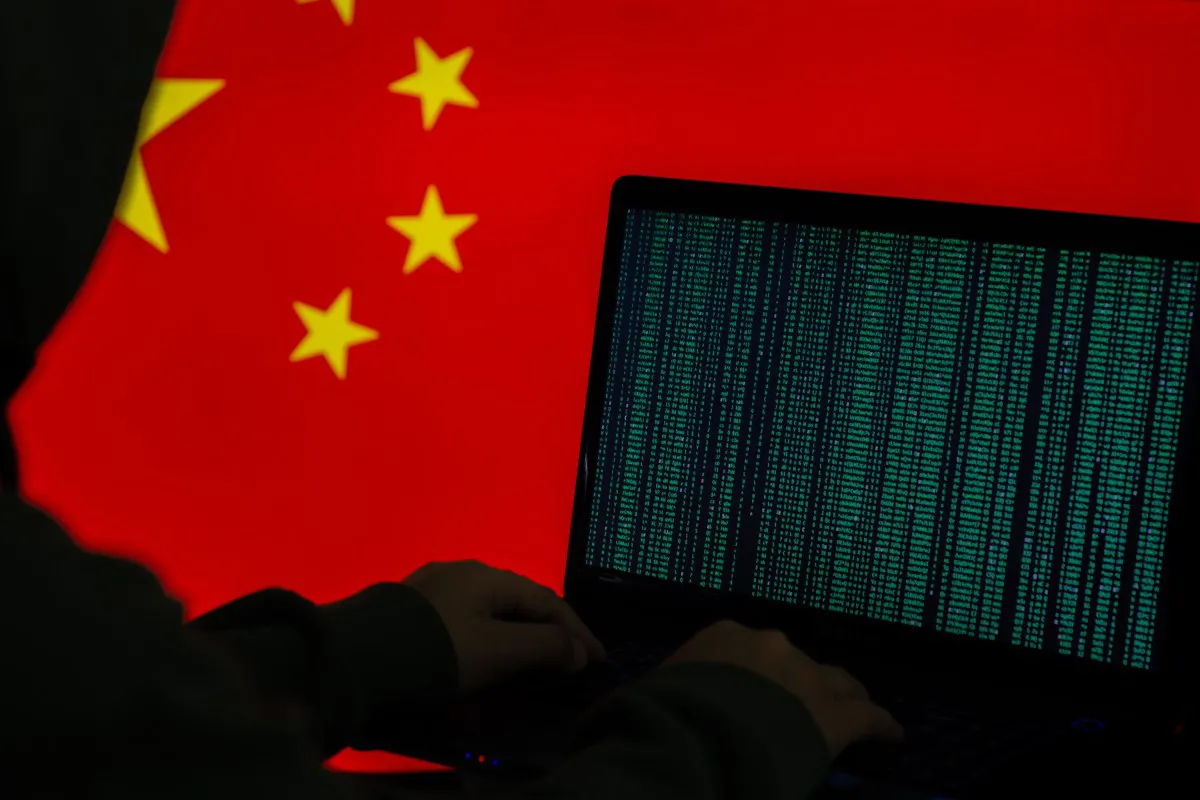
In a troubling development for global cybersecurity, researchers from Arctic Wolf have uncovered that LightSpy, a spyware previously associated with state-sponsored Chinese hacking, has expanded its reach significantly. Originally identified in 2018, this spyware has evolved into a modular platform capable of targeting devices in over a dozen countries, including the United States and several NATO member nations. As the line between governmental and commercial cyber threats blurs, understanding the implications of LightSpy’s capabilities is more crucial than ever.
The emergence of sophisticated spyware like LightSpy serves as a stark reminder of the vulnerabilities that exist in our increasingly digital world. Its capabilities extend beyond mere surveillance; it can steal sensitive data, remotely brick devices, and now, even compromise routers, allowing attackers to gain unprecedented access to entire networks.
The Evolution of LightSpy Spyware
Initially identified as a tool used by state-sponsored hackers, LightSpy has transformed into a commercial spyware platform that caters to various clients, including governments, corporations, and military organizations. This shift signifies a worrying trend in the cybersecurity landscape: the commercialization of cyber warfare tools. The Arctic Wolf research team highlights that the spyware now features a range of functionalities that can be tailored to meet the needs of its operators.
Modular Architecture and Targeting Capabilities
LightSpy’s design allows it to be deployed against multiple platforms with alarming efficiency. This modularity means that it can target:
- Smartphones (both Android and iOS)
- Windows PCs
- Linux servers
- Apple devices
By leveraging specific exploits for each operating system, LightSpy can extract vast amounts of sensitive information from its targets. This includes not only location data and chat messages but also screen recordings and saved passwords. Furthermore, the spyware has the capacity to remotely wipe data from infected devices, making recovery nearly impossible.

New Techniques: Attacking Routers
One alarming revelation from Arctic Wolf's findings is LightSpy's ability to infect routers—an unprecedented tactic in its operational playbook. By compromising routers, attackers can gain visibility into and manipulate any device connected to the network. This poses significant risks, especially in environments where sensitive information is routinely exchanged. Some of the compromised routers are linked to NATO member countries, raising concerns over national security.
The Implications of Router Compromise
The ability to manipulate routers means that attackers can facilitate data breaches on a scale previously unseen. For instance, if a hacker gains control of a corporate router, they potentially have access to:
- Internal communications
- Confidential financial records
- Client databases
This type of access not only jeopardizes individual organizations but also poses a broader risk to national security, particularly when targeting government-affiliated entities.

Attribution and Operational Tactics
Researchers have traced LightSpy’s activities back to a specific Chinese contractor, identifying a clear link between the spyware and its operators. This connection was made after one of the operators accidentally used their real name and address while placing an order for food, showcasing a significant lapse in operational security. Such oversights can sometimes lead to crucial insights into the workings of cybercriminal networks.
The spyware reportedly operates through a network of at least 117 servers spread across various countries, indicating a well-resourced operation. This level of infrastructure allows for robust functionality and resilience against takedown efforts from cybersecurity agencies.
Broader Implications for Cybersecurity
The rise of commercial spyware platforms like LightSpy raises significant questions about the future of cybersecurity. As these tools become more accessible, they are likely to fall into the hands of not just state actors but also malicious individuals and private organizations. This trend necessitates a reevaluation of how businesses and governments approach cybersecurity.
Protective Measures
Organizations must adopt a proactive stance to defend against threats like LightSpy. Here are several recommended strategies:
- Regularly Update Software: Ensure that all software and operating systems are kept up to date to mitigate vulnerabilities.
- Implement Network Segmentation: Separate critical networks from less secure ones to reduce the risk of widespread compromise.
- Enhance Training: Regularly train employees on cybersecurity best practices and phishing awareness to minimize human error.
- Use Comprehensive Security Solutions: Deploy advanced threat detection and response systems that can identify unusual behavior indicative of spyware activity.
By taking these steps, organizations can better safeguard their data and reduce the likelihood of falling victim to sophisticated spyware attacks.

Key Takeaways
- LightSpy spyware has expanded its reach to 13 countries, including the U.S.
- It can target multiple device types, stealing sensitive information and remotely wiping data.
- The spyware's ability to compromise routers poses significant risks to entire network infrastructures.
- Organizations must adopt proactive cybersecurity measures to protect against such advanced threats.
Frequently Asked Questions
What is LightSpy spyware, and how does it work?
LightSpy is a modular spyware platform capable of targeting various devices, including smartphones, PCs, and routers. It operates by exploiting vulnerabilities in these devices to steal sensitive information, such as passwords, location data, and chat messages. Additionally, it can remotely wipe data, making it a dangerous tool for cybercriminals.
Who is likely to be affected by LightSpy attacks?
Given its broad targeting capabilities, LightSpy can affect a wide range of victims, including private individuals, businesses, and government entities. Organizations with sensitive data or those operating within government networks are especially vulnerable, as compromising their systems can yield significant intelligence and financial information.
What can individuals do to protect themselves from spyware like LightSpy?
Individuals can enhance their protection against spyware by regularly updating their devices, utilizing strong passwords, and being cautious about the information they share online. Additionally, employing security software that includes anti-spyware features can help detect and prevent infections.
What is the future of spyware and cybersecurity?
The landscape of cybersecurity is rapidly changing, with commercial spyware becoming increasingly available. As a result, both businesses and governments must adapt their security strategies to counteract these evolving threats. This includes investing in advanced detection systems, training employees, and fostering a culture of cybersecurity awareness to mitigate risks.
Comments
AI-Driven Genome Models: A New Frontier in Virus Design
Recent advancements in AI-driven genome models have opened up possibilities for designing new viruses, particularly bacteriophages. This article explores the implications, risks, and benefits of this technology in the context of antibiotic resistance and future biological research.

Related articles






Popular in Cybersecurity
- Federal Mandate for Autonomous Vehicles: A Call for Safety Compliance
- EU Mandates Google to Share Data and Open AI on Android: What It Means
- GitHub Revamps Bug Bounty Program: Implications for Developers and Security
- Australian Government Disables Thousands of Functional Broadband Routers: A Wasteful Decision
- Exploiting Redis: Understanding Zero-Day Vulnerabilities and Their Mitigation