NASA's Call for Private Space Stations: Challenges and Opportunities
NASA's recent draft Request for Proposals signals a significant shift towards private space station development, but it brings both opportunities and concerns for the industry. With the ISS set to retire by 2030, the urgency for new solutions is palpable.
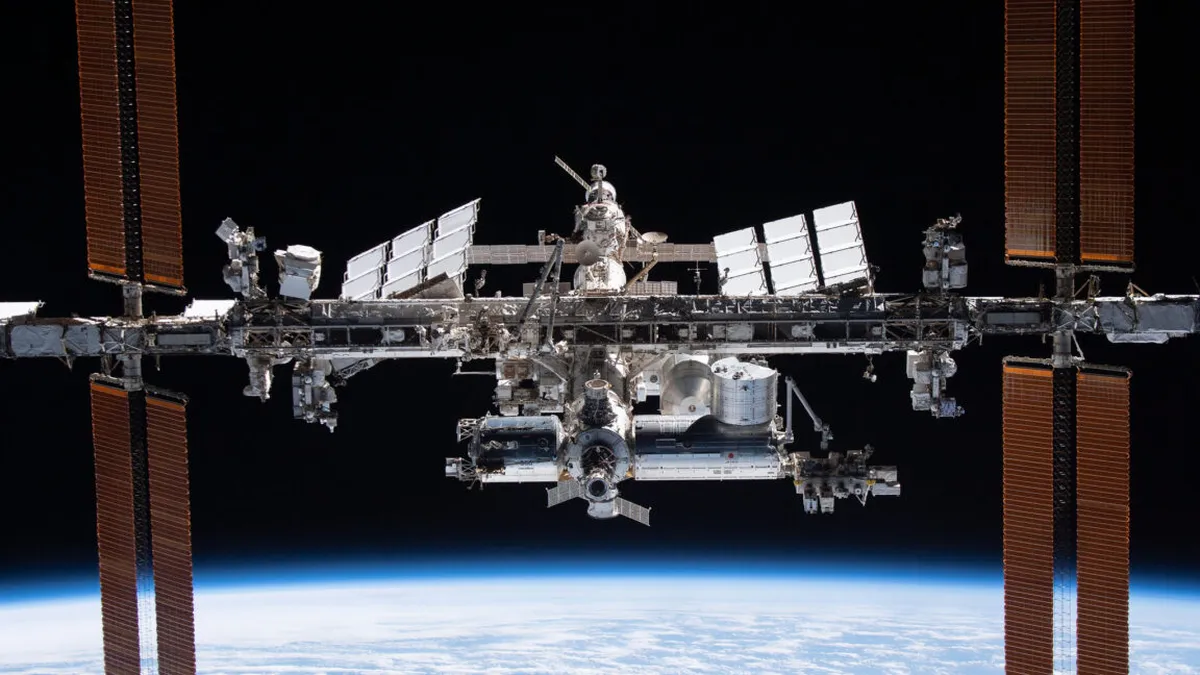
The landscape of human spaceflight is on the brink of a transformation as NASA pushes for the development of privately operated space stations in low-Earth orbit. With the International Space Station (ISS) scheduled to conclude its mission around 2030, the urgency for alternative solutions has reached a new height. Just recently, NASA released a draft Request for Proposals (RFP) that outlines its expectations from U.S. companies aiming to fill the void left by the ISS. This shift represents not only a significant opportunity for private firms but also a complex web of challenges that could shape the future of space exploration.
As the world watches the potential for commercial space stations unfold, the stakes are high. NASA is keen to avoid a gap in human presence in orbit, which has implications not just for science and research, but also for national security and international prestige. The draft RFP is a crucial step in this process, offering both clarity and complications for private companies eager to capitalize on this new frontier.
Navigating the Transition from ISS to Private Stations
The ISS has been a cornerstone of international cooperation in space for over two decades, but its decommissioning has set off a scramble for alternatives. NASA's draft RFP serves as a clarion call for private companies, indicating that the agency is serious about transitioning the responsibilities of low-Earth orbit activities to the commercial sector.
In 2021, NASA awarded funding to three companies—Axiom Space, Blue Origin, and Sierra Space—to develop preliminary space station concepts. However, the road to a fully operational private station has been fraught with delays, exacerbated by funding uncertainties. The latest draft RFP aims to clear some of that fog, but not without raising its own set of concerns.
What’s Inside the Draft RFP?
The draft RFP outlines specific requirements that companies must meet, which are pivotal for NASA's decision-making process. One of the most notable aspects is the sheer volume of requirements—over 3,000, according to industry insiders. These requirements range from technical specifications to safety protocols, all aimed at ensuring that any private station can uphold NASA's stringent safety standards.
While this level of detail may indicate a proactive approach to risk management, industry players have expressed mixed feelings. Many companies expected a lighter touch in terms of regulatory requirements, hoping that fewer mandates would allow for more innovative and flexible designs. Instead, the draft has been described as packed with bureaucratic hurdles that could stifle creativity.
- More than 3,000 requirements outlined in the draft RFP.
- Concerns about a cost-plus contract structure disguised as a firm fixed-price agreement.
- Potential funding allocations of up to $1.5 billion over five years.
- Uncertainty about how many companies will receive funding and what that means for competition.
Industry Reactions: Relief and Concerns
The reaction from key players in the private space sector has been a mix of relief and apprehension. Companies like Axiom Space and Blue Origin have expressed relief that NASA abandoned the idea of a government-built core module that would have dictated the design of private stations. This was seen as a move to maintain government control over space operations, something the industry wished to avoid.
However, the relief comes with its own set of worries. The timeline for the second phase of NASA's private space station program has already slipped, leaving companies struggling to secure funding and build their teams. As NASA is the most significant customer, its requirements will heavily influence the designs and operational capabilities of these new stations. The need for clarity on financial support and contract structure remains paramount.
Funding Ambiguities
One of the most pressing questions hanging over the draft RFP is the level of funding that will be available. Although estimates suggest potential funding of up to $1.5 billion over five years, how that money will be allocated remains unclear. If NASA chooses multiple winners, the budget could be spread too thin, making it difficult for any single company to succeed.
Phil McAlister, a former NASA chief of commercial spaceflight, highlighted that while the draft RFP provides valuable insight into the agency's expectations, it also reveals a lack of long-term commitment from NASA. The absence of a solid funding structure could undermine the entire initiative, leaving private companies in a precarious position.

Looking Ahead: The Future of Human Presence in Orbit
As we look towards the future of human presence in low-Earth orbit, the challenges presented by NASA's draft RFP are not insurmountable. The agency has indicated that this is just the beginning of the conversation, as it will be seeking feedback from the industry before finalizing the RFP, expected in September. This iterative process could lead to adjustments that clarify funding, reduce regulatory burdens, and ultimately foster a more robust commercial space ecosystem.
For companies vying for a role in this new chapter of space exploration, the path forward will require agility and resilience. The potential for a thriving marketplace in low-Earth orbit exists, but it hinges on the successful navigation of these initial hurdles.
Key Takeaways
- Nasa's draft RFP outlines over 3,000 requirements for private space stations.
- The agency aims to ensure a seamless transition post-ISS, with funding potentially reaching $1.5 billion.
- Industry reactions are mixed, with companies expressing both relief and concern over regulatory burdens.
- Finalization of the RFP is expected in September, with an open invitation for industry feedback.
What is the significance of NASA's draft RFP for private space stations?
The draft RFP is a pivotal document that outlines NASA's expectations for private companies looking to build and operate space stations in low-Earth orbit. With the ISS set to retire by 2030, NASA's call to the private sector is essential for maintaining a human presence in space and ensuring that scientific research and international collaboration continue.
How are private companies reacting to the requirements in the draft RFP?
Reactions have been mixed; while some companies are relieved that NASA has abandoned plans for a government core module, concerns remain about the extensive requirements and potential funding limitations. Companies are eager for clarity on what the funding structure will look like and how it will impact the competitive landscape.
What are the next steps following the release of the draft RFP?
NASA will be accepting feedback from the industry before finalizing the RFP, which is expected to be released in September. Afterward, companies will have the opportunity to submit bids, with contract awards likely to be announced in the following spring. This timeline is crucial for private companies to strategize their next moves.
Comments
Einstein’s Theory Gets a Precise Update via Orbital Experiment
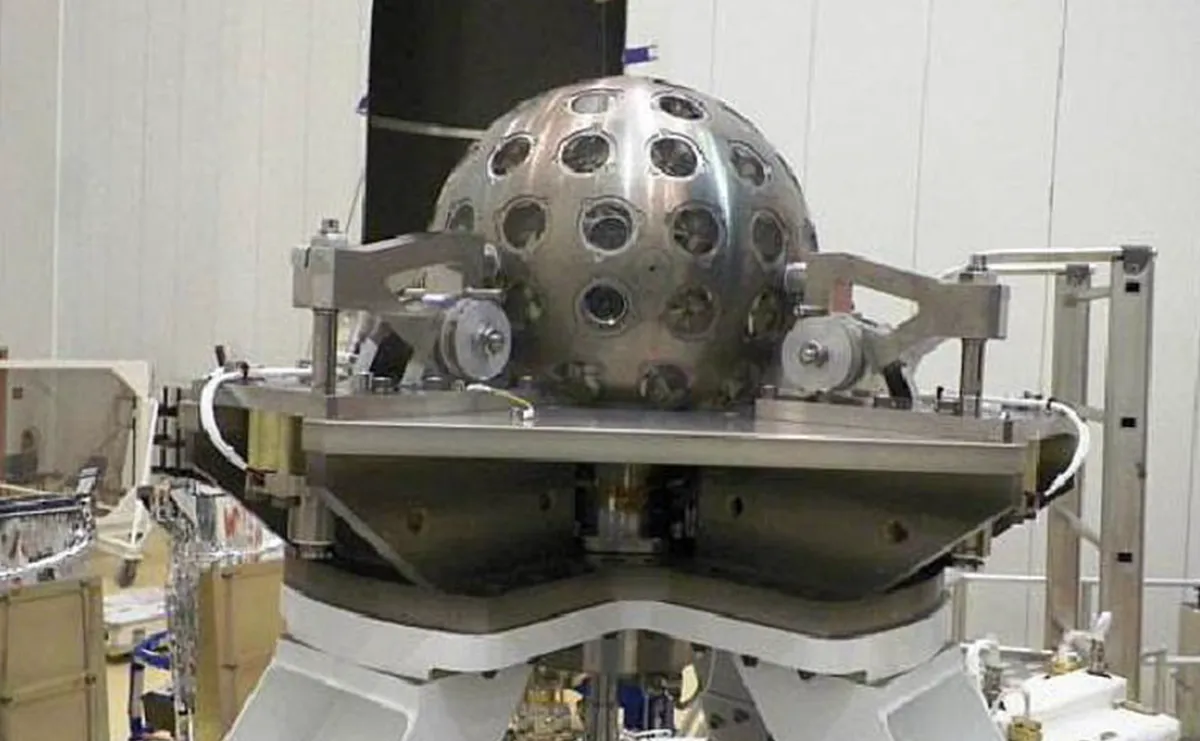
A recent experiment utilizing the LARES-2 satellite has provided the most accurate measurement of frame dragging, confirming Einstein's general relativity while also paving the way for future earth science insights.
Related articles

Popular in Cloud Computing
- SK Hynix's Historic $26.5 Billion IPO: A New Era for Memory Chips
- Kubernetes and the Future of Desktop Infrastructure: A Paradigm Shift
- Amazon Expands Partnership with Nvidia, Tripling GPU Orders Amid AI Demand Surge
- Elon Musk's Evolving Relationship with Anthropic: A New Era for AI Hosting
- Emerging Rocket Launches: A New Era for Space Exploration