China's First Reusable Rocket: A Game Changer in Space Exploration
China successfully recovered its first reusable rocket, the Long March 10B, marking a significant milestone in its space program and signaling a new era of competitive space exploration.
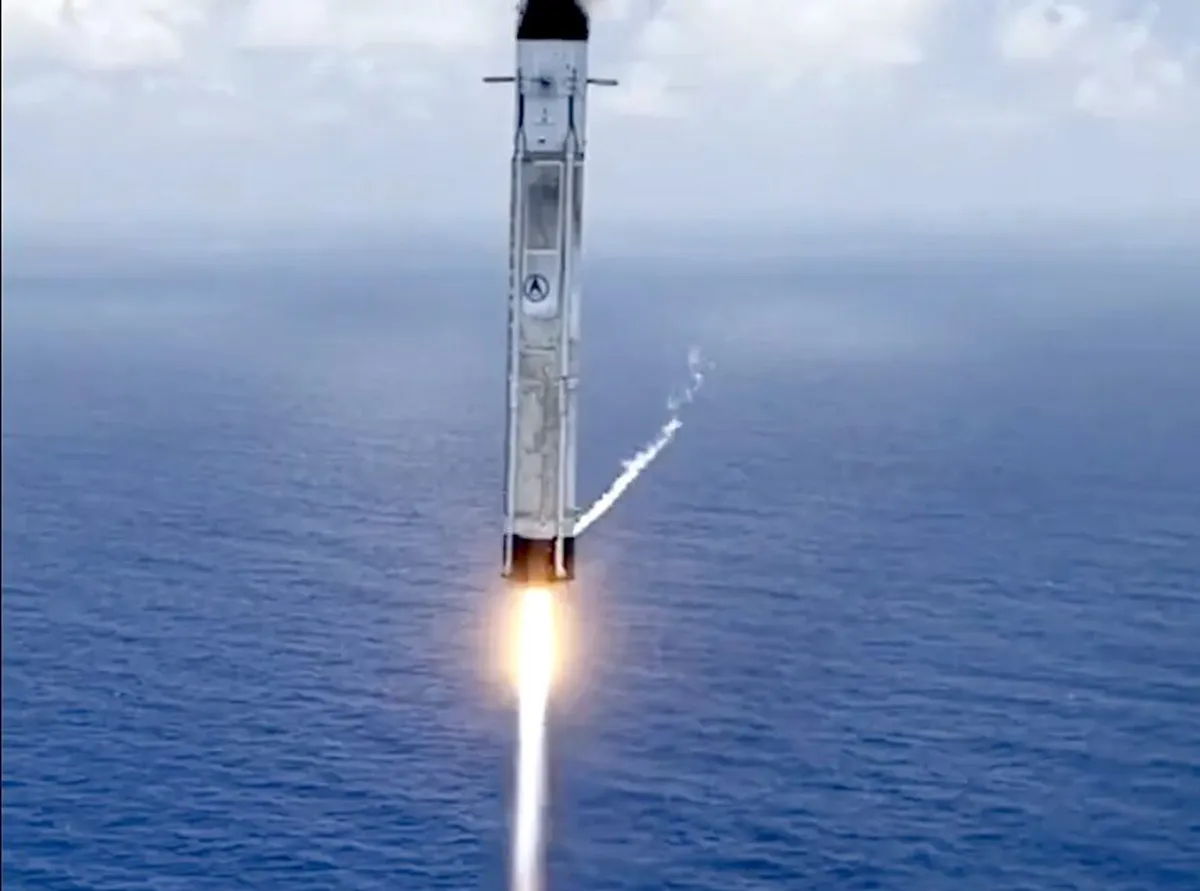
On July 10, 2026, China's ambitious space program reached a pivotal milestone with the successful recovery of its first reusable rocket, the Long March 10B. This landmark event not only showcases China's growing capabilities in space technology but also underscores the escalating competition between global space powers. As the nation aims to enhance its rocket reuse technology, the implications for international space exploration and security are profound.
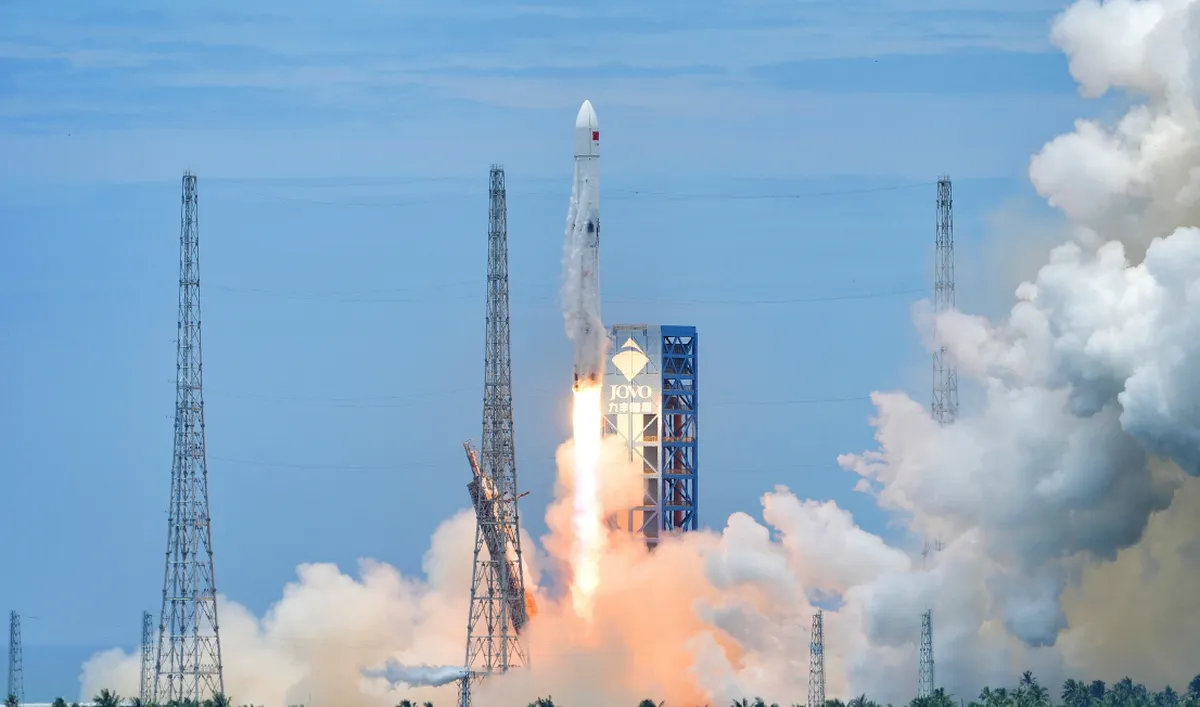
The Long March 10B, a medium-lift rocket designed for orbital missions, lifted off from the Wenchang Commercial Space Launch Site, perched on Hainan Island. With a height of approximately 209 feet (63.6 meters), the rocket is powered by seven kerosene-fueled engines that produce nearly 2 million pounds of thrust. This launch marks China’s entry into a club previously dominated by SpaceX and Blue Origin, who have made significant strides in reusable rocket technology.
Understanding the Long March 10B's Design and Functionality
The Long March 10B's design is innovative, featuring a two-stage configuration that allows it to carry payloads of about 16 metric tons (35,000 pounds) to low Earth orbit. This capacity rivals that of SpaceX's Falcon 9 rocket, which has become a standard in the industry due to its reliability and cost-effectiveness. The Long March 10B utilizes a unique recovery method that combines elements of both traditional and modern techniques. Instead of employing landing legs like SpaceX's Falcon 9, or the mechanical arms of its Starship, the Long March 10B booster is captured mid-air by a net system on a ship stationed downrange.
The Recovery Process
After launching and deploying its payload, the Long March 10B's booster descends back to Earth. Approximately ten minutes post-launch, it navigates itself towards a vessel equipped with a four-legged frame designed to catch the rocket. As the booster approaches the ship, tensioned cables create a grid that captures the rocket as it shuts down its landing engines. This innovative method reduces the need for additional weight associated with landing gear, optimizing the rocket's payload capacity for future missions.
China's Strategic Move in Space Exploration
This successful recovery is a significant leap for the China Aerospace Science and Technology Corporation (CASC) and its subsidiary, the China Academy of Launch Vehicle Technology (CALT). The mission has been publicly hailed as a “complete success” by Chinese officials, emphasizing its importance in establishing a reusable launch architecture. The advancements validated key technologies such as high-altitude ignition, multiple engine restarts, and precise navigation and control.
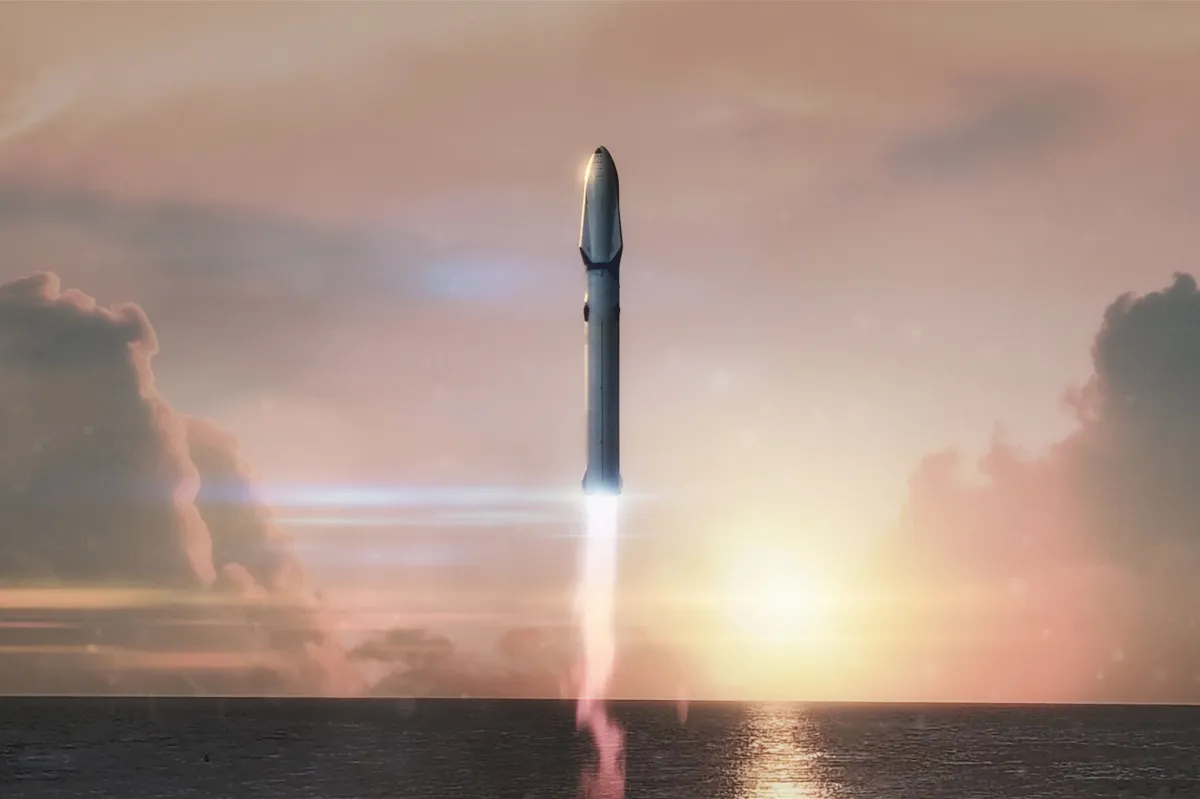
China's focus on developing reusable rocketry is not merely a technological endeavor but a strategic maneuver in the context of global space dynamics. The nation aims to bolster its position as a leading spacefaring power, especially as the United States continues to dominate the market through companies like SpaceX, which has a launch frequency that currently outpaces China. The implications of China mastering rocket reusability extend beyond commercial interests; military analysts in the U.S. express concern over how these advancements could enhance China's capabilities to deploy satellites and other assets rapidly and efficiently.
The Race for Lunar Exploration
Looking ahead, the Long March 10B plays a crucial role in China’s plans for lunar exploration, with ambitions to land astronauts on the Moon by 2030. The rocket is a foundational piece of the Long March 10 family, which will support various missions, including crewed flights to the Tiangong space station and lunar landings. The Long March 10A, which shares the same booster configuration, is designed for crewed missions using the new Mengzhou spacecraft, set to replace the older Shenzhou system.
China's lunar aspirations include plans for more powerful configurations of the Long March 10, which will combine multiple boosters to generate the necessary thrust for deep space missions. The advancements in rocket recovery and reuse are expected to drastically cut costs and enhance the frequency of launches, a critical factor in sustaining long-term missions.

Global Implications of China's Advancements
The recovery of the Long March 10B rocket has significant implications for the global space landscape. As China continues to refine its reusable rocket capabilities, it not only enhances its own launch capacity but also poses a challenge to U.S. dominance in commercial spaceflight. The rise of Chinese rocket companies aiming to replicate the successes of SpaceX and Blue Origin could lead to a more competitive space economy.
U.S. military officials have expressed concerns regarding China's advancements in rocketry, particularly how they may allow for enhanced surveillance and military capabilities in space. The rapid development of reusable rockets may enable China to deploy satellites more frequently, thus closing the gap in capabilities that could affect U.S. national security interests.
- Reusable Technology: The Long March 10B's recovery method highlights a new approach to rocket reuse, reducing costs and enhancing payload capacity.
- Lunar Ambitions: The rocket is integral to China's goal of landing astronauts on the Moon by 2030.
- Strategic Competition: China's advancements in reusable rocketry pose a potential threat to U.S. space and military assets.
- Launch Cadence: Enhanced recovery technologies may enable China to increase its launch frequency, challenging U.S. companies.
- Global Impact: As China and the U.S. vie for dominance, the implications of these advancements extend beyond technology to international relations and security.
Key Takeaways
- China's Long March 10B successfully recovered its first reusable rocket, marking a significant milestone in its space program.
- The innovative recovery method reduces payload costs and enhances the efficiency of future launches.
- The Long March 10B is a critical component of China's lunar ambitions, aimed at landing astronauts on the Moon by 2030.
- China's advancements in rocketry pose strategic challenges to U.S. space and military operations.
- Ongoing competition in space technology will shape the future of global space exploration and security.
Frequently Asked Questions
What is the Long March 10B rocket?
The Long March 10B is a medium-lift orbital rocket developed by China's space agency, designed to carry payloads of up to 16 metric tons to low Earth orbit. It features a two-stage design and is significant for its ability to be reused, a capability that reduces launch costs and enhances operational efficiency.
How does the recovery process of the Long March 10B work?
The Long March 10B is recovered using a unique method that involves capturing the rocket in mid-air with a net system on a ship located downrange. This technique eliminates the need for landing gear, optimizing the rocket's design for more efficient payload delivery and reuse.
What are China's future plans for lunar exploration?
China aims to land astronauts on the Moon by 2030, with the Long March 10B serving as a foundational component of its lunar program. The country is also developing more powerful versions of the Long March rocket family to support future deep space missions and enhance its capabilities in crewed spaceflight.
How do China's advancements affect global space competition?
China's successful recovery of the Long March 10B signals its growing capabilities in space technology, posing a competitive threat to U.S. dominance. The ability to launch and recover rockets efficiently may allow China to increase its launch frequency, potentially impacting international relations and security dynamics in space.
Comments
NASA's Call for Private Space Stations: Challenges and Opportunities
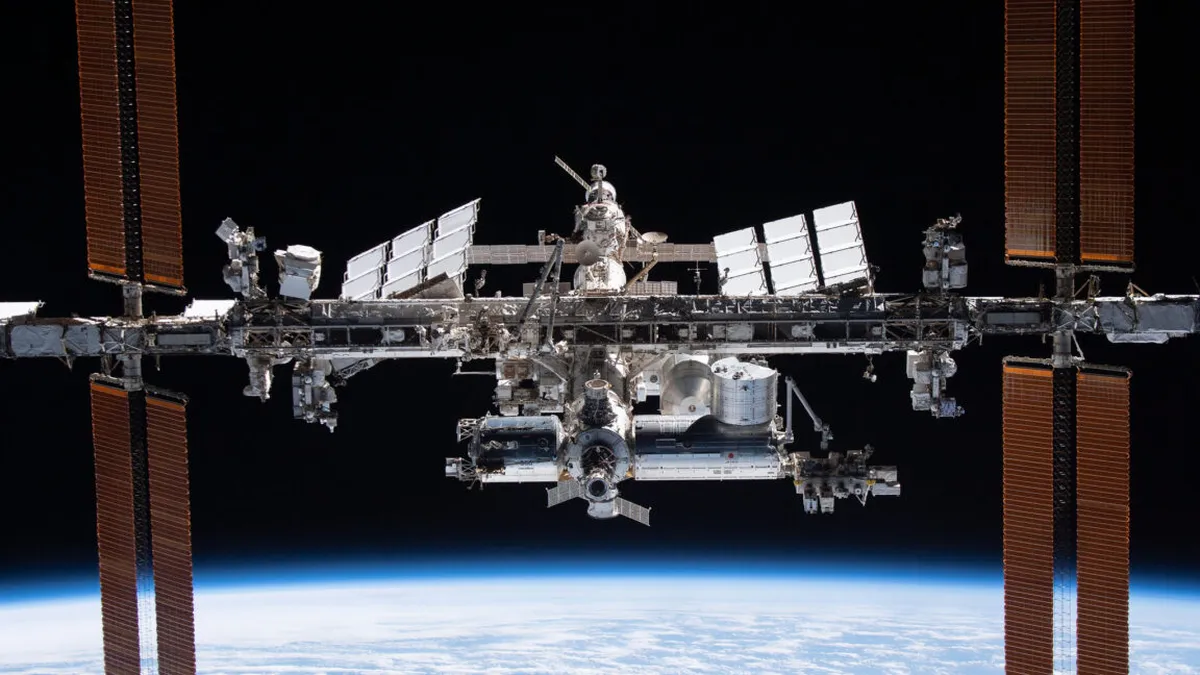
NASA's recent draft Request for Proposals signals a significant shift towards private space station development, but it brings both opportunities and concerns for the industry. With the ISS set to retire by 2030, the urgency for new solutions is palpable.
Related articles

Popular in Cloud Computing
- SK Hynix's Historic $26.5 Billion IPO: A New Era for Memory Chips
- Kubernetes and the Future of Desktop Infrastructure: A Paradigm Shift
- Amazon Expands Partnership with Nvidia, Tripling GPU Orders Amid AI Demand Surge
- Elon Musk's Evolving Relationship with Anthropic: A New Era for AI Hosting
- Emerging Rocket Launches: A New Era for Space Exploration