Einstein’s Theory Gets a Precise Update via Orbital Experiment
A recent experiment utilizing the LARES-2 satellite has provided the most accurate measurement of frame dragging, confirming Einstein's general relativity while also paving the way for future earth science insights.
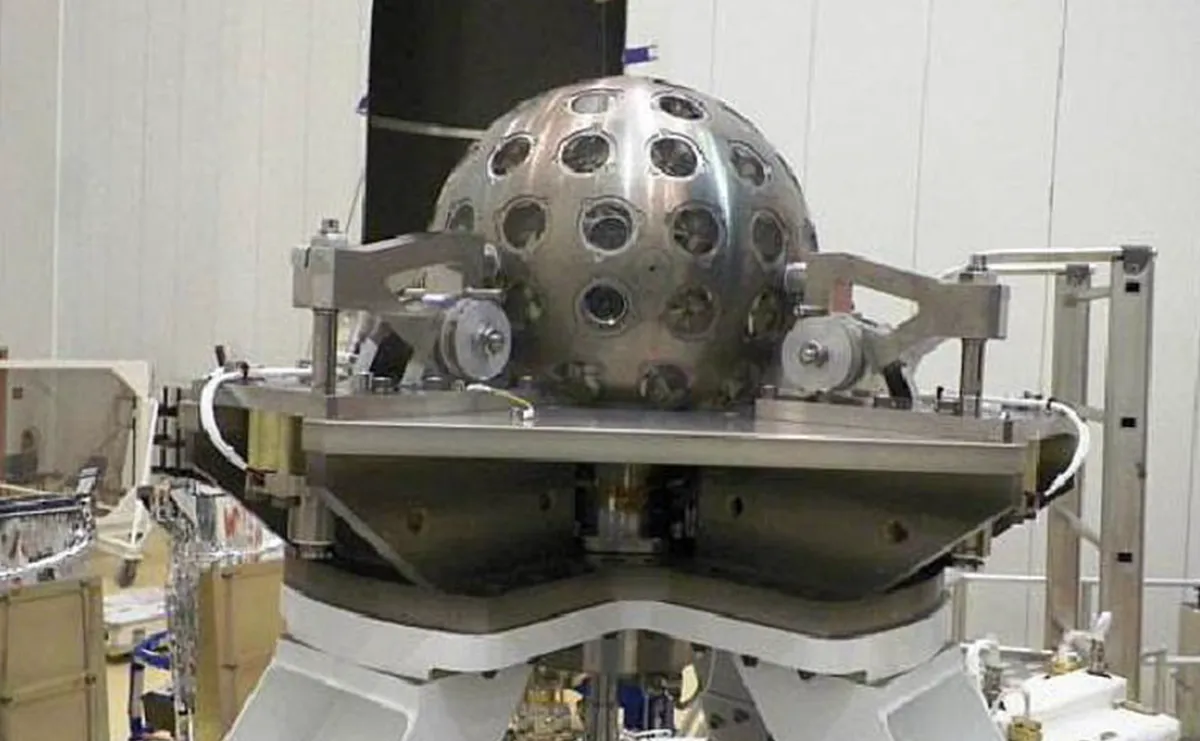
In a groundbreaking study, scientists have executed the most precise measurement of the frame dragging effect, a phenomenon predicted by Albert Einstein’s general theory of relativity. This effect, which describes how a rotating mass like Earth distorts the fabric of space-time around it, has long been challenging to measure accurately due to Earth's relatively small mass compared to more massive celestial bodies like black holes. However, thanks to the innovative design of the LARES-2 satellite and meticulous experimental methods, researchers have achieved a remarkable precision of just 0.2 percent, a significant advancement in our understanding of gravitational physics.
The implications of this research extend well beyond verifying Einstein's theories; they touch upon fundamental questions in physics, including the nature of gravity itself, the compatibility of general relativity with quantum mechanics, and even the complexities of earth science.
Understanding Frame Dragging
Frame dragging, also known as the Lense-Thirring effect, is a fascinating phenomenon that occurs when a massive, rotating object influences the space-time around it. According to general relativity, as a body like Earth rotates, it essentially 'drags' the surrounding space-time with it. This effect becomes more pronounced when observed near large masses, such as rotating black holes, making it a critical area of study for astrophysicists.
The challenge with measuring frame dragging on Earth lies in its relatively minor mass and the slow rotation speed when compared to more massive celestial objects. Thus, until now, most observations of frame dragging have been limited to more massive bodies. The groundbreaking work by physicist Ignazio Ciufolini and his team marks a pivotal moment in the experimental validation of Einstein’s predictions.
The LARES-2 Satellite: A Unique Design
The LARES-2 (Laser Relativity Satellite 2) satellite, developed by the Italian Space Agency, is an engineering marvel designed specifically for this purpose. Unlike traditional satellites, LARES-2 is a solid sphere made from Inconel 718, a dense nickel-chromium alloy. Measuring just over 40 centimeters in diameter and weighing 294.8 kilograms, its design prioritizes minimizing external forces, particularly non-gravitational effects such as photon pressure.
This satellite is equipped with 303 corner-cube retroreflectors, allowing it to reflect laser beams back to their source with exceptional precision. This capability enables researchers to track its position with a margin of error of approximately one millimeter, leading to incredibly accurate data collection over time.
Innovative Measurement Techniques
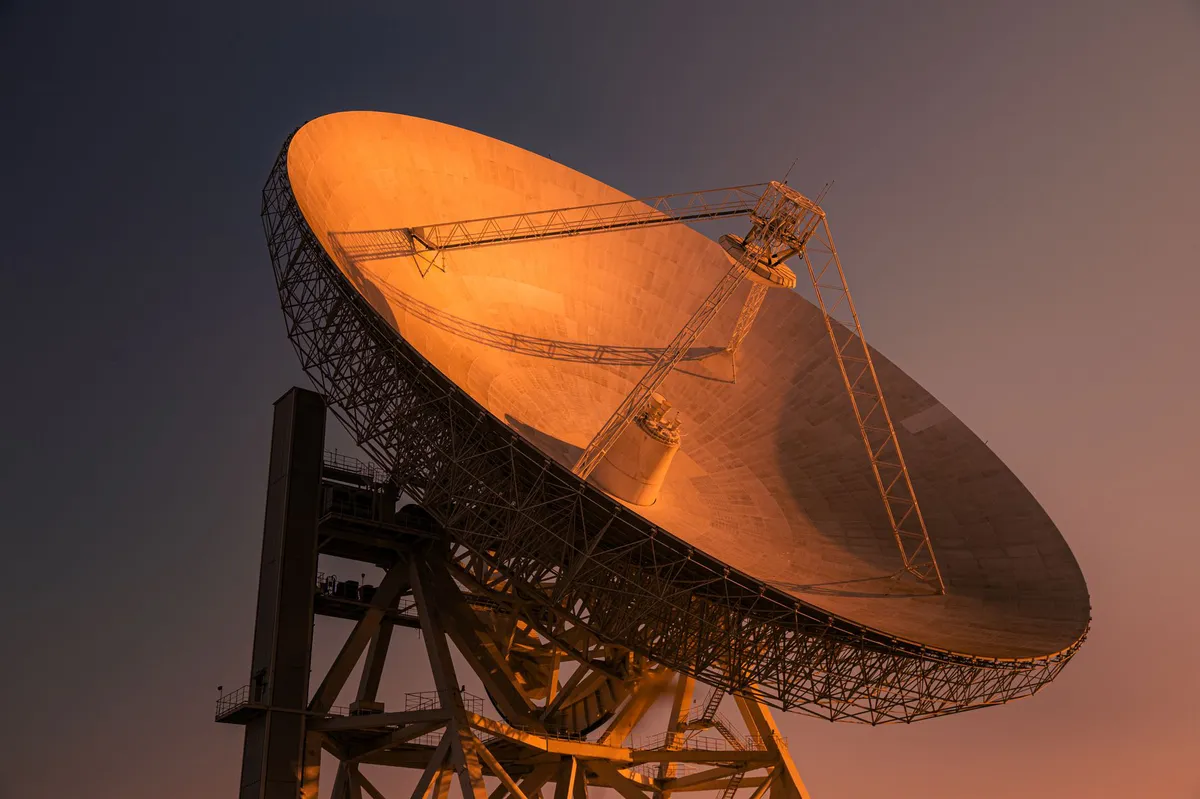
The LARES-2 satellite was launched into medium-Earth orbit in July 2022, where it began its mission of collecting data through laser ranging from ground-based observatories. Over a span of three years, approximately 200,000 laser observations were made, providing a robust dataset for analyzing frame dragging.
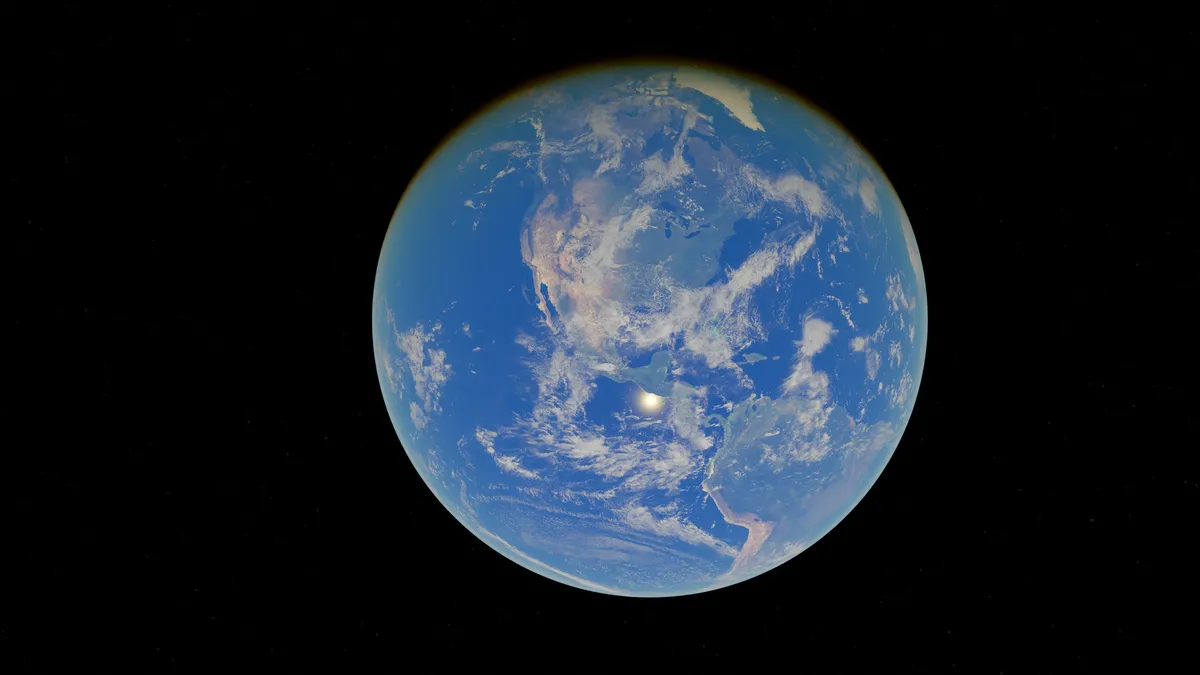
One of the significant challenges in this experiment was the need to account for Earth's irregular shape and its gravitational effects. Without careful planning, the gravitational pull from Earth’s equatorial bulge could overshadow the subtle frame dragging signals. Ciufolini's innovative approach involved using two satellites in supplementary orbits, which allowed for the cancellation of Newtonian noise when analyzing the frame dragging effect.
Challenges and Solutions
In addition to overcoming the challenges associated with Earth's shape, the team also had to contend with gravitational disturbances known as the K1 lunisolar tide, caused by the gravitational pull of the Moon and Sun. These external forces could distort the satellite's orbit and complicate the measurements. To address this, the researchers focused their analysis on a complete 1,050-day precession cycle, ensuring that the tidal effects could be effectively averaged out and removed from the data.
After accounting for these influences, the researchers observed a steady drift in the satellites' orbits, equating to about 61.3 milliarcseconds per year—an astonishingly precise measurement that closely aligns with Einstein's predictions.
Implications Beyond General Relativity
The successful measurement not only reinforces Einstein’s general relativity but also opens the door to exciting new possibilities in theoretical physics. While the findings do not definitively rule out alternative theories like Chern-Simons theory, they do place stringent limitations on its predictions regarding frame dragging. This could have far-reaching implications in the quest for a unifying theory of physics that reconciles general relativity with quantum mechanics and addresses unresolved phenomena such as dark energy.
Moreover, the implications extend into practical earth sciences. The researchers found that by refining the understanding of gravitational tides, they could improve seismic research and monitoring of earthquakes. This interdisciplinary connection illustrates the profound impact that space-based measurements can have on terrestrial scientific inquiry.
Key Takeaways
- Precision Measurement: The LARES-2 satellite has achieved a frame dragging measurement accuracy of just 0.2 percent.
- Innovative Design: LARES-2's unique construction minimizes non-gravitational influences, enhancing measurement accuracy.
- Scientific Implications: The findings challenge alternative theories of gravity while reinforcing Einstein's general relativity.
- Earth Science Applications: Improved understanding of gravitational tides could enhance earthquake research.
Frequently Asked Questions
What is frame dragging and why is it important?
Frame dragging is a phenomenon predicted by general relativity where a rotating mass influences the space-time around it, effectively 'dragging' it along. It is significant because it provides a testable prediction of Einstein's theory and helps scientists understand the interplay between gravity and the fabric of space-time, especially in extreme conditions like those near black holes.
How does LARES-2 differ from other satellites?
LARES-2 is fundamentally different from traditional satellites due to its solid, spherical design and the absence of electronics or solar panels. This allows it to have a low area-to-mass ratio, which minimizes the influence of non-gravitational forces such as solar radiation pressure, making it an ideal test particle for gravitational studies.
What challenges did the researchers face during the experiment?
The researchers encountered several challenges, notably accounting for Earth’s irregular shape and gravitational tides from celestial bodies like the Moon and Sun. They overcame these through innovative geometric solutions, including using two satellites in complementary orbits and focusing on specific data collection periods to average out tidal effects.
How will this research influence future studies?
This research not only reinforces general relativity but also sets the stage for future investigations into gravitational physics and quantum mechanics. The precision measurements achieved could lead to further insights into the nature of gravity and even inform earth science disciplines, with potential applications in earthquake prediction and understanding gravitational dynamics.
Comments
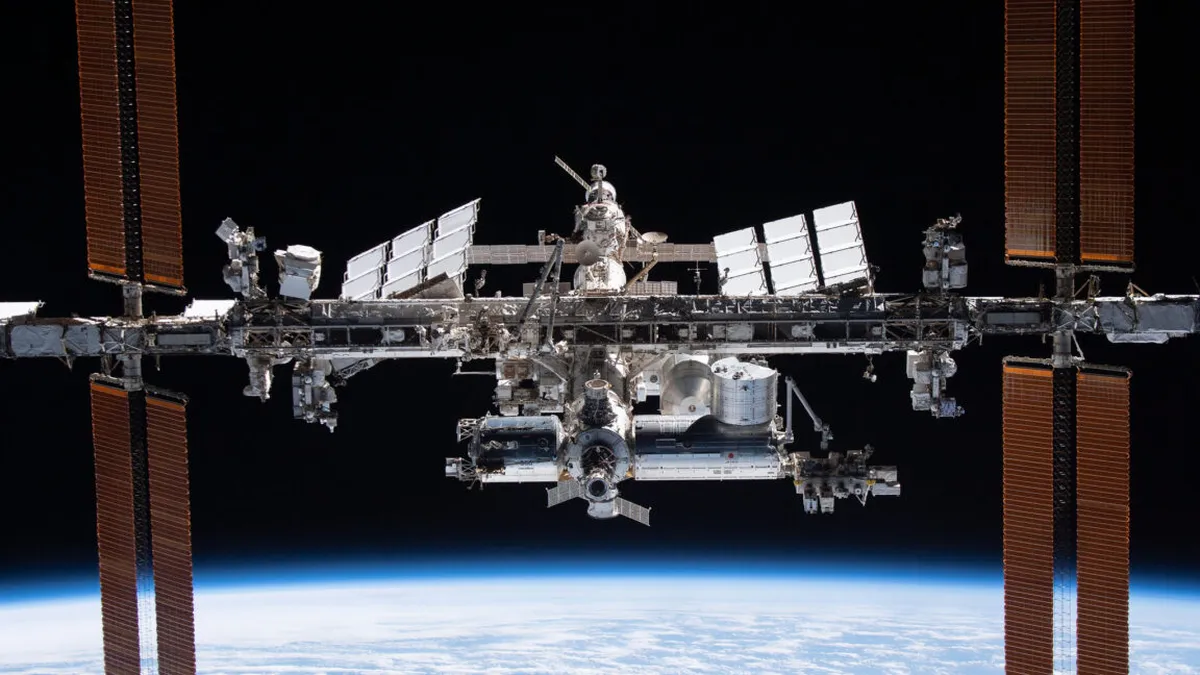
NASA's Call for Private Space Stations: Challenges and Opportunities
NASA's recent draft Request for Proposals signals a significant shift towards private space station development, but it brings both opportunities and concerns for the industry. With the ISS set to retire by 2030, the urgency for new solutions is palpable.
Related articles

Popular in Cloud Computing
- SK Hynix's Historic $26.5 Billion IPO: A New Era for Memory Chips
- Kubernetes and the Future of Desktop Infrastructure: A Paradigm Shift
- Amazon Expands Partnership with Nvidia, Tripling GPU Orders Amid AI Demand Surge
- Elon Musk's Evolving Relationship with Anthropic: A New Era for AI Hosting
- Emerging Rocket Launches: A New Era for Space Exploration