China's Space Ambitions: Closing the Gap on Reusable Rockets
China's recent advancements in reusable rocket technology signal a new era in space exploration, challenging the dominance of Elon Musk's SpaceX. With its Long March rocket successfully landing on a recovery vessel, China's Aerospace Science and Technology Corporation is poised to reshape the competitive landscape of commercial space launches.
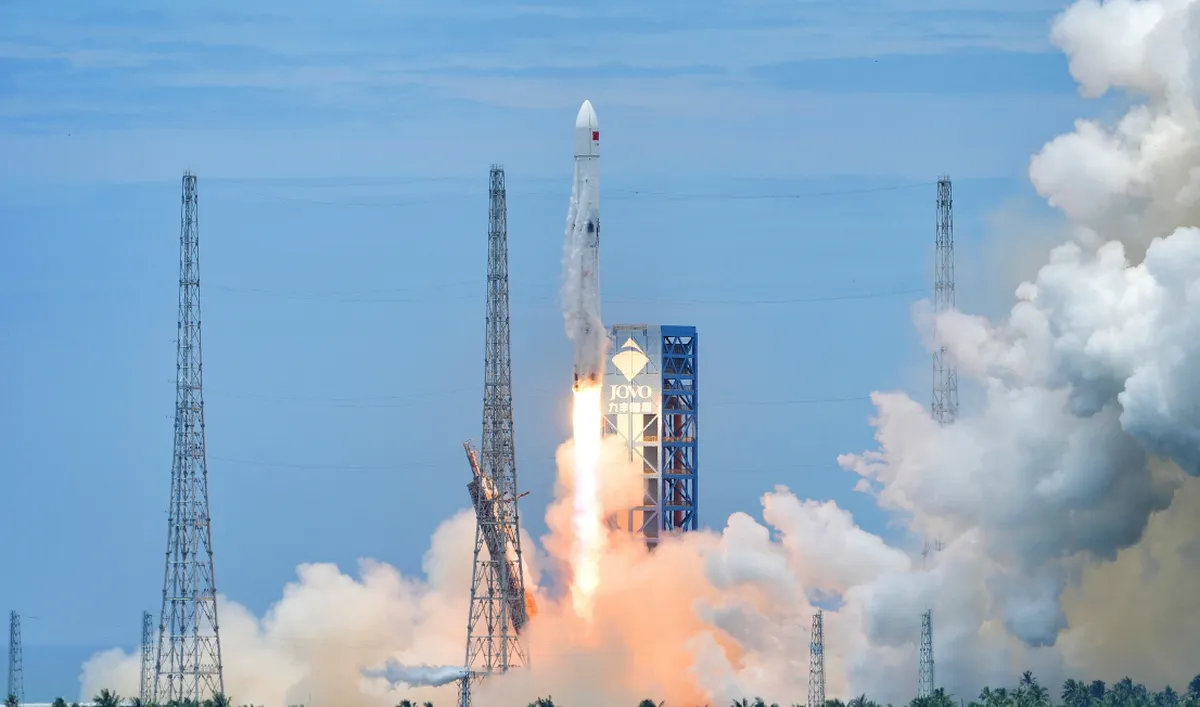
The landscape of space exploration is rapidly evolving, with nations and private companies racing to develop technologies that can reduce the costs of launching payloads into orbit. In a significant milestone, China's state-owned Aerospace Science and Technology Corporation (CASC) successfully launched its Long March rocket and executed a controlled landing of its booster on a seagoing recovery vessel. This achievement marks China as the second country, after the United States, to achieve such a feat, indicating that the nation is making strides to catch up with Elon Musk's SpaceX, which has become a dominant player in the space industry.
The implications of this development are profound. As CASC prepares to reuse the Long March booster by the end of the year, the potential to significantly lower launch costs could reshape not just China's space capabilities but also the global competitive landscape. SpaceX has set a high bar with its Falcon 9 rockets, which have become the workhorses of commercial spaceflight, undergirding vital services such as the Starlink satellite network and missions for NASA and the U.S. Space Force. The race for reusable rocket technology is not just about cost savings; it's also about strategic positioning in an increasingly competitive arena.
The Mechanics of Reusable Rockets
Reusable rockets represent a significant innovation in aerospace engineering. Traditionally, the cost of launching payloads into space has been prohibitively high, primarily due to the need to build and discard rockets after each launch. The advent of reusable technology allows a single rocket to be launched multiple times, dramatically reducing costs and increasing the frequency of launches.
How CASC's Long March Rocket Works
China's approach to rocket recovery differs from that of SpaceX. Instead of using landing legs to settle on a floating platform, CASC employs a unique method that involves netting strung across a large frame on a recovery ship to capture the descending rocket. This method requires advanced guidance software and sensors to ensure precise control during descent, coupled with robust engines capable of withstanding the harsh conditions of re-entry.
Challenges Ahead
While CASC's recent success is commendable, the road to reusability is fraught with challenges. SpaceX has spent years refining its technology and operational protocols to ensure reliability. The ability to successfully recover and reuse rockets hinges not only on engineering excellence but also on rigorous testing and validation processes. CASC must navigate these complexities to achieve the same level of operational efficiency.
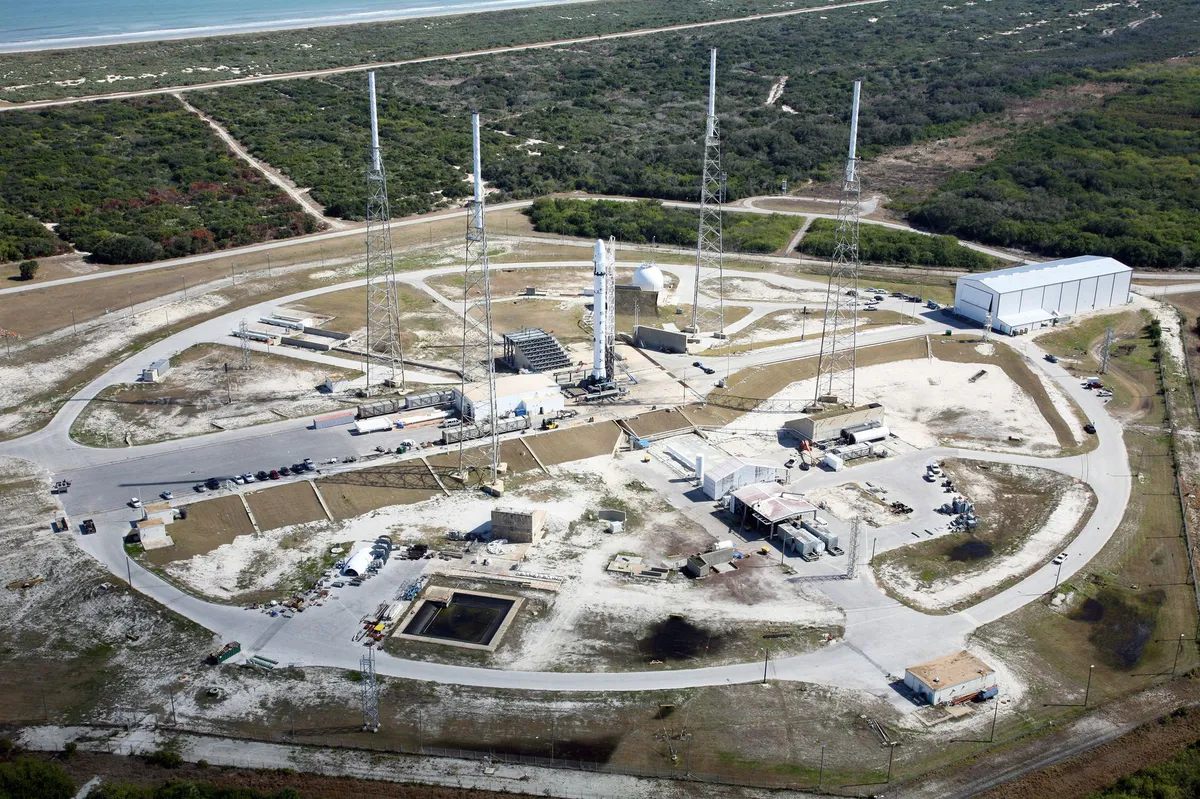
The Strategic Landscape of Space Exploration
The growing capabilities of China's space program come amid heightened competition for dominance in orbital operations. The ability to reduce launch costs can have far-reaching implications, especially in sectors like satellite communications. SpaceX, through its Starlink program, has established a strong foothold in providing internet services across the globe, particularly in underserved regions. However, if China can effectively deploy its reusable rockets, the balance of power may shift.
Competition in Global Markets
China would not be engaging directly with SpaceX in the commercial market due to national security regulations that divide the global launch market between the U.S. and Europe on one side, and Russia and China on the other. Nevertheless, a successful reusable rocket program could allow China to launch satellites and provide connectivity services at lower costs, presenting stiff competition to existing players like SpaceX. This is particularly relevant in regions such as Africa, the Middle East, and Southeast Asia, where demand for affordable internet services is surging.
Implications for U.S. Military Operations
The implications of an advanced Chinese space program extend beyond commercial competition. For the U.S. military, China's progress in rocket technology could diminish the strategic advantages the U.S. has enjoyed in space. The recent cooperation between China and Russia, especially as they explore ways to undermine the effectiveness of SpaceX's Starlink in conflict zones, adds another layer of complexity to the situation. The U.S. must remain vigilant and proactive in developing its own capabilities to maintain its leadership position in space.
Innovations Beyond SpaceX
While SpaceX continues to lead the way in reusable rocket technology, other private companies are also making significant strides. Notably, Jeff Bezos's Blue Origin has successfully recovered and reused its New Shepard booster, although it faced setbacks with other launches. Meanwhile, Rocket Lab is working on its Neutron rocket, designed to be reusable, while Stoke Space is developing a fully reusable rocket with ambitious testing plans for this year. The emergence of these competitors highlights the dynamic nature of the space industry and the potential for innovation.
The Future of Space Exploration
The future of space exploration is undoubtedly exciting, with advancements in technology paving the way for new opportunities and challenges. As nations and companies innovate, the quest for cost-effective, reliable, and reusable launch systems will continue to drive the agenda. The next few years will be critical as contenders like CASC, Blue Origin, and others work to establish themselves in a market that has become increasingly competitive and strategically vital.
Key Takeaways
- China's Achievements: The successful recovery of the Long March rocket booster signifies China's advancements in reusable rocket technology.
- Market Implications: Lower launch costs could reshape satellite communications and internet services, particularly in emerging markets.
- Strategic Competition: The U.S. military may face diminished advantages in space as China enhances its capabilities.
- Broader Industry Trends: Other companies, including Blue Origin and Rocket Lab, are also developing reusable rocket technologies, intensifying competition.
Frequently Asked Questions
What does the success of China's Long March rocket mean for the space industry?
The success of China's Long March rocket is a significant development that indicates growing competition in the space industry. It highlights China's capabilities in developing reusable rocket technology, which has the potential to reduce launch costs and challenge existing players like SpaceX. This could lead to increased accessibility for satellite communications and other space services, especially in developing regions.
How does reusable rocket technology impact launch costs?
Reusable rocket technology dramatically reduces launch costs by allowing the same rocket to be used multiple times. Traditional launch systems require new rockets for each mission, leading to high expenses. By reusing components, companies can significantly lower the cost per launch, making space more accessible for a broader range of applications, from satellite deployment to scientific exploration.
What are the strategic implications of China's advancements in space technology?
China's advancements in space technology carry significant strategic implications, particularly for the U.S. and its allies. As China strengthens its capabilities in satellite communications and potential military applications, it could alter the balance of power in space. The U.S. military may need to reassess its strategies and capabilities to maintain its position, particularly in the light of collaborative efforts between China and Russia aimed at countering U.S. interests in space.
Comments
NASA's Call for Private Space Stations: Challenges and Opportunities
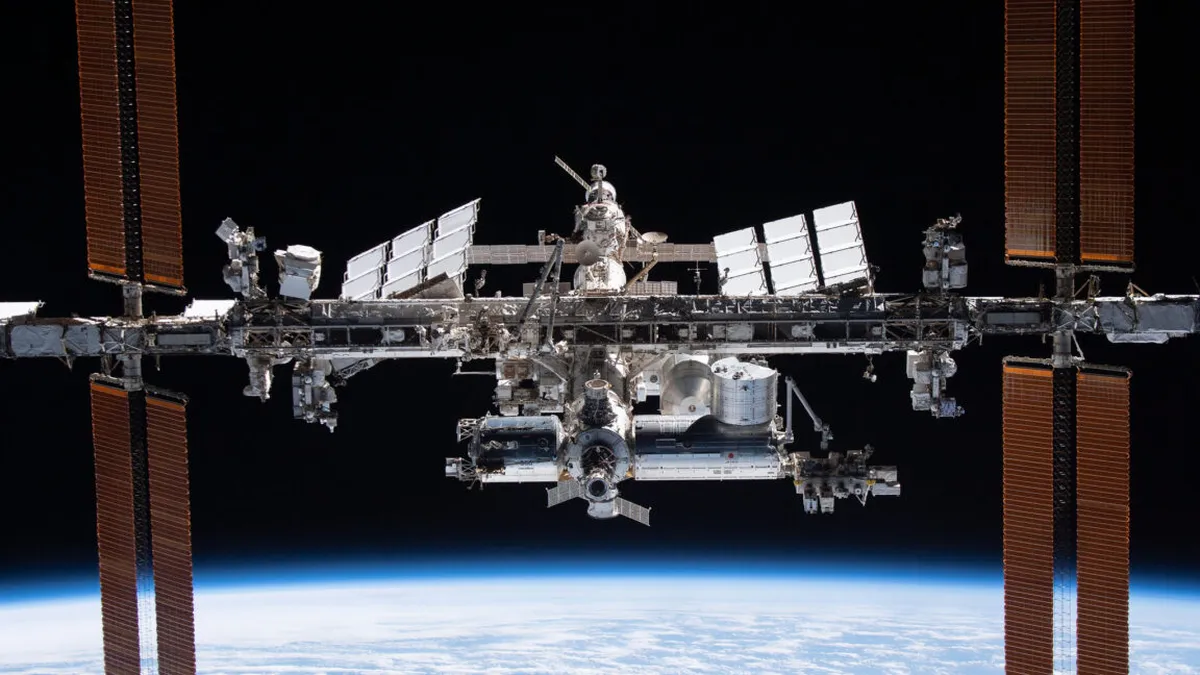
NASA's recent draft Request for Proposals signals a significant shift towards private space station development, but it brings both opportunities and concerns for the industry. With the ISS set to retire by 2030, the urgency for new solutions is palpable.
Related articles

Popular in Cloud Computing
- SK Hynix's Historic $26.5 Billion IPO: A New Era for Memory Chips
- Kubernetes and the Future of Desktop Infrastructure: A Paradigm Shift
- Amazon Expands Partnership with Nvidia, Tripling GPU Orders Amid AI Demand Surge
- Elon Musk's Evolving Relationship with Anthropic: A New Era for AI Hosting
- Emerging Rocket Launches: A New Era for Space Exploration