Oratomic Secures $300M to Revolutionize Quantum Computing with Fewer Qubits
Oratomic has raised $300 million to develop a utility-scale quantum computer that requires only 20,000 qubits. This funding marks a significant milestone in the race towards commercially viable quantum computing, with potential applications across various fields.

In a groundbreaking move for the quantum computing industry, Oratomic has successfully raised $300 million in a Series A funding round, signaling a significant step towards creating commercially viable quantum computers. Founded by a team of researchers from Caltech, Oratomic’s innovative approach leverages lasers to manipulate individual atoms, which could lead to a more efficient and powerful quantum computer than previously imagined. This substantial investment, co-led by ARCH Venture Partners, Spark Capital, and Khosla Ventures, is poised to accelerate the development of a utility-scale quantum computer that aims to revolutionize industries from biotechnology to cryptography.
Unlike many of its competitors, Oratomic’s strategy hinges on a pivotal discovery: the potential to achieve effective error correction with a dramatically reduced number of qubits. This breakthrough could pave the way for a quantum computer that can perform complex calculations at a scale and speed unattainable by today’s classical systems. The implications of such a development are vast, with potential applications ranging from drug discovery and chemical simulation to optimization problems in logistics and advancements in artificial intelligence.
The Quantum Computing Landscape
The quantum computing field is characterized by a flurry of activity, with numerous startups vying to establish dominance. Companies like PsiQuantum and Infleqtion are also making headlines, with PsiQuantum aiming to create a million-qubit quantum computer by the end of next year, boasting a valuation of $7 billion as of last September. However, Oratomic differentiates itself by focusing on a more simplified architecture that aims to utilize only 10,000 to 20,000 qubits to achieve meaningful results.
Understanding Qubits and Quantum Supremacy
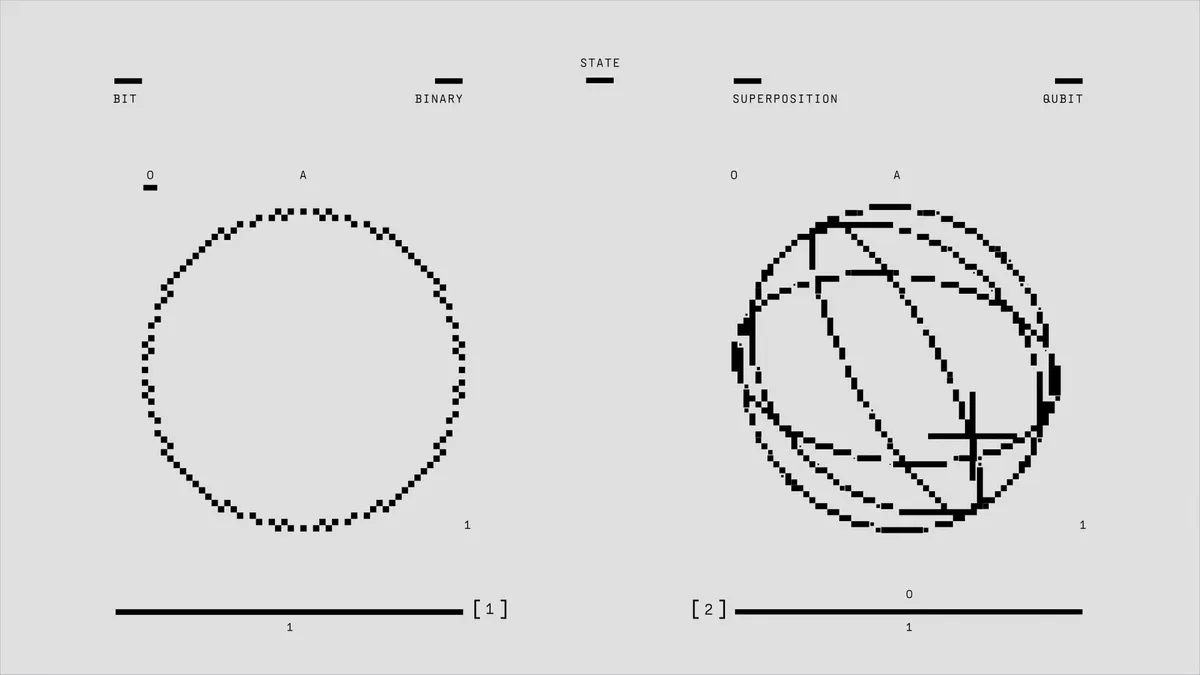
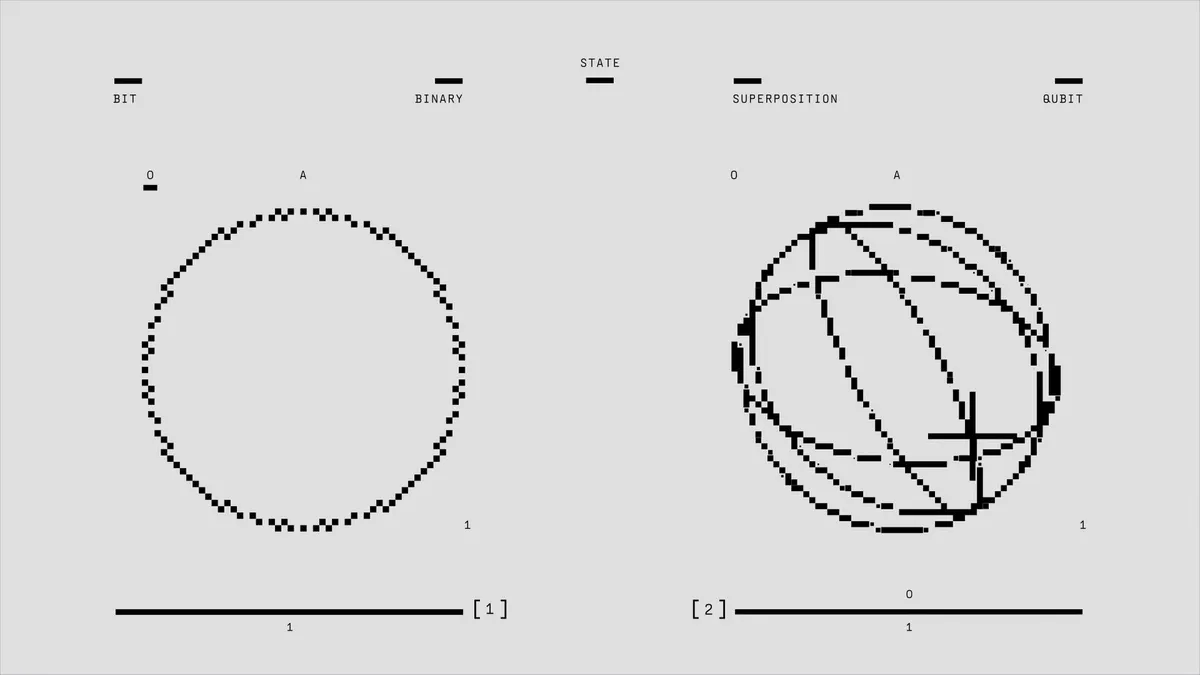
Qubits, or quantum bits, are the fundamental units of quantum information. Unlike classical bits, which can either be 0 or 1, qubits can exist in superpositions of states, allowing quantum computers to process vast amounts of information simultaneously. This property is what gives quantum computers their potential power. However, the challenge lies in maintaining qubit coherence and minimizing errors caused by environmental noise.
Key challenges in quantum computing:- Coherence Time: The time a qubit remains in a superposition state is limited, affected by external noise.
- Error Correction: Quantum error correction is more complex than classical error correction due to the nature of qubits.
- Scalability: Building a large number of qubits while maintaining their integrity is a significant engineering challenge.
Oratomic's Unique Approach
Oratomic's methodology leverages laser technology to act as optical tweezers, manipulating individual atoms for computation. This technique not only simplifies the construction of qubits but also enhances their reliability. CEO Dolev Bluvstein emphasized that their approach allows for the experimental demonstration of core components necessary for a full-scale quantum computer. This stands in stark contrast to other quantum computing efforts that often involve complex hardware and extensive resources.
A Shift in Perspective
Bluvstein’s comments reflect a significant shift in the perception of quantum computing’s timeline. Historically, many in the scientific community believed that practical applications of quantum computers were still years, if not decades, away. However, Oratomic’s recent breakthroughs have instilled a sense of urgency and optimism. "Only when we made this recent breakthrough did we simultaneously all change our minds," he noted, underscoring the potential for rapid advancements in the field.
Investment Climate and Market Outlook
The influx of investment into quantum computing startups indicates a growing confidence in the technology's potential. The $300 million raised by Oratomic is not an isolated incident; other companies in the sector have also attracted significant capital. For instance, startups like Quantinuum and Infleqtion have gone public this year, and established firms such as Rigetti and IonQ have seen their stock prices soar amidst a wave of investor enthusiasm.
Factors driving investment in quantum computing:- Increased Corporate Interest: Many enterprises are exploring quantum applications, particularly in logistics and AI.
- Government Support: Various governments are allocating funds and resources to boost quantum research.
- Technological Breakthroughs: Advances in error correction and qubit manipulation are making quantum computing more feasible.

Future Implications of Quantum Computing
The development of a fault-tolerant quantum computer could signal a new era in technology, enabling breakthroughs in multiple fields. For example, in the realm of biotechnology, quantum computers could simulate complex biological processes, accelerating drug discovery. In cryptography, they could potentially break current encryption methods, necessitating a shift towards quantum-resistant algorithms. Additionally, industries relying on optimization and complex calculations, such as finance and logistics, could experience transformative efficiencies.
The Path Ahead
As Oratomic progresses toward its goal of a utility-scale quantum computer, it will face numerous challenges. These include further refining their technology, scaling operations, and navigating the competitive landscape. However, the confidence of backers like Vinod Khosla, who described this funding round as their "largest initial investment yet," suggests that the market perceives Oratomic as a frontrunner in the quantum race.
Key Takeaways
- Oratomic has raised $300 million to develop a utility-scale quantum computer requiring only 10,000 to 20,000 qubits.
- The startup utilizes lasers to manipulate individual atoms, aiming for a simpler and less expensive approach than competitors.
- Investment in quantum computing is surging, indicating strong market interest and confidence in future breakthroughs.
- A successful quantum computer could transform industries by enabling complex calculations and simulations.
Frequently Asked Questions
What are qubits and why are they important?
Qubits are the basic units of quantum information, functioning as the building blocks of quantum computers. Their ability to exist in multiple states simultaneously allows quantum computers to process information at unprecedented speeds. This capability is what makes quantum computing potentially transformative for various industries, including pharmaceuticals, logistics, and artificial intelligence.
How does Oratomic's approach differ from other quantum computing companies?
Oratomic differentiates itself by focusing on a simpler architecture that requires significantly fewer qubits compared to competitors. While other companies are developing noisy intermediate-scale quantum (NISQ) computers, Oratomic aims for a full-scale quantum computer utilizing 10,000 to 20,000 qubits, which is a breakthrough in error correction capabilities. This could lead to a more practical and cost-effective solution for quantum computing.
What are the potential applications of quantum computing?
Quantum computing holds vast potential across various fields. In biotechnology, it could accelerate drug discovery by simulating complex biological interactions. In finance, quantum algorithms could optimize trading strategies and risk assessments. Additionally, quantum computing could enhance artificial intelligence capabilities by processing large datasets more efficiently and securely. The implications for cryptography are also significant, as quantum computers could break existing encryption methods, necessitating new security measures.
What is the future outlook for quantum computing investments?
The future of quantum computing investments appears promising, as demonstrated by the recent influx of capital into startups like Oratomic and others in the field. As more companies explore practical applications of quantum technology, we can expect continued interest from investors and further advancements in the technology. Government support and a growing ecosystem of research institutions will also play a crucial role in shaping the future of quantum computing.
Comments
NASA's Call for Private Space Stations: Challenges and Opportunities
NASA's recent draft Request for Proposals signals a significant shift towards private space station development, but it brings both opportunities and concerns for the industry. With the ISS set to retire by 2030, the urgency for new solutions is palpable.

Related articles



Popular in Cloud Computing
- SK Hynix's Historic $26.5 Billion IPO: A New Era for Memory Chips
- Kubernetes and the Future of Desktop Infrastructure: A Paradigm Shift
- Amazon Expands Partnership with Nvidia, Tripling GPU Orders Amid AI Demand Surge
- Elon Musk's Evolving Relationship with Anthropic: A New Era for AI Hosting
- Emerging Rocket Launches: A New Era for Space Exploration