India's Smartphone Manufacturing Boom: Vivo Partners with Dixon Technologies
India's smartphone manufacturing sector is set for a transformative leap with Vivo's joint venture with Dixon Technologies. This partnership marks a significant milestone in leveraging local capabilities and aligning with national policies, paving the way for enhanced exports and sustainable growth.
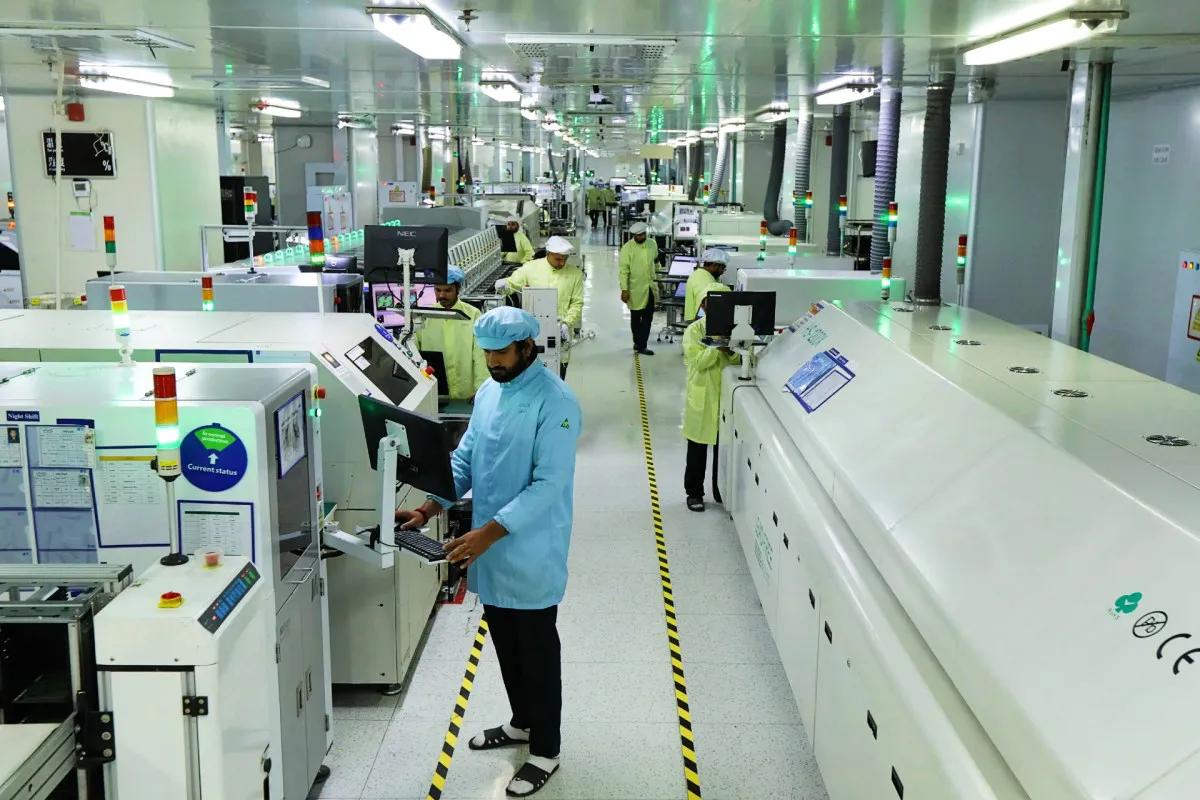
India's smartphone manufacturing industry is on the brink of a major transformation as Vivo, a prominent Chinese smartphone manufacturer, has partnered with local firm Dixon Technologies to establish a joint venture. This collaboration, approved by the Indian government, signifies a pivotal moment in India's quest to become a global hub for smartphone production. With Apple's successful foray into the Indian market and subsequent expansion, the stage is now set for Vivo and other Chinese brands to follow suit, leveraging local partnerships to enhance manufacturing capabilities and align with national policies.
The approval for this joint venture, which had been in the pipeline since December 2024, reflects the changing dynamics of international trade and manufacturing in the wake of geopolitical tensions. The Indian government's stringent investment rules for nations sharing a land border, particularly China, have necessitated a reevaluation of how foreign brands operate within India. By allowing Vivo to acquire manufacturing assets and produce smartphones in collaboration with Dixon, the Indian government is not just promoting local manufacturing but also ensuring that foreign investments are in line with national interests.
The Landscape of Smartphone Manufacturing in India
India has rapidly emerged as a significant player in the global smartphone manufacturing arena. With Apple leading the charge and accounting for over 57% of India's smartphone exports, the country has attracted numerous electronics manufacturers seeking to diversify their supply chains away from China. This shift has been catalyzed by government incentives aimed at bolstering local manufacturing capabilities and reducing reliance on imports.
Government Role and Incentives
The Indian government has introduced various schemes to encourage local production, including the Production-Linked Incentive (PLI) scheme, which offers financial incentives to manufacturers based on the sales of goods produced in India. This initiative has been instrumental in attracting both foreign direct investment and enhancing domestic manufacturing capabilities. With the PLI scheme, manufacturers can receive substantial benefits — for instance, companies can earn incentives that range from 4% to 6% of their incremental sales over a specified period, which can translate into millions of dollars in revenue for large manufacturers.
Vivo and Dixon Technologies: A Strategic Partnership
The joint venture between Vivo and Dixon Technologies is structured as a 51/49 partnership, with Dixon holding the majority stake. This model not only aligns with India's policy preferences but also provides Vivo with a strategic advantage in navigating the regulatory landscape. Tarun Pathak, a research director at Counterpoint Research, highlights that this partnership is a 'win-win' for both parties, allowing Vivo to maintain a foothold in the Indian market while enabling Dixon to expand its manufacturing footprint significantly.
Potential Market Impact
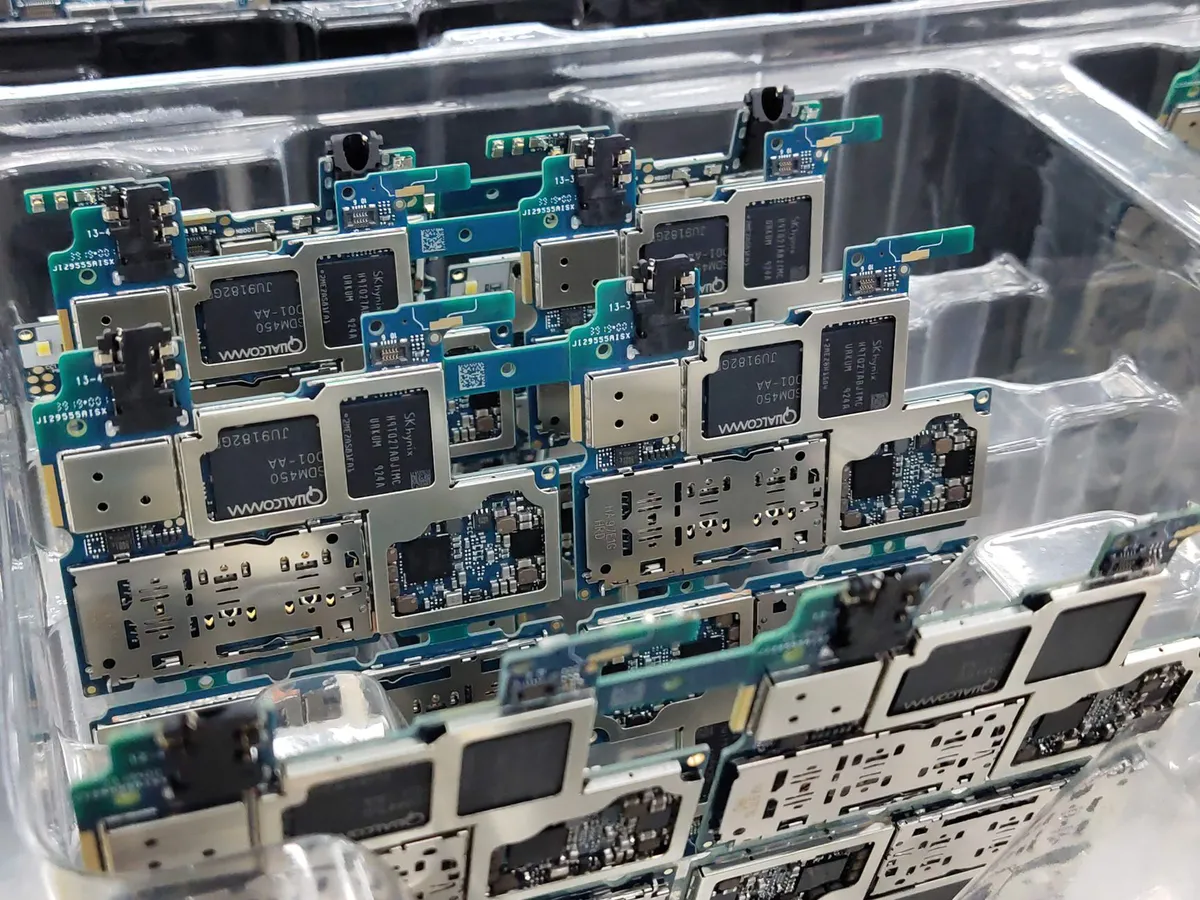
The collaboration is expected to yield significant manufacturing volumes, with estimates suggesting that Dixon could produce between 20 and 22 million smartphones annually as part of this venture. This volume increase positions Dixon as a critical player in India's electronics manufacturing sector, which is increasingly vital in a world striving for self-reliance in technology. Given that Chinese brands currently dominate India's smartphone market, capturing 72% of total sales, the potential for growth in exports remains substantial.
Challenges and Regulatory Landscape
While the joint venture represents a positive step toward enhancing manufacturing capabilities, it is important to acknowledge the regulatory challenges that Chinese companies have faced in India. Following the 2020 border clashes between India and China, the Indian government has tightened scrutiny on investments from neighboring countries, leading to increased regulatory hurdles for Chinese companies like Vivo and Xiaomi. These companies have encountered tax investigations, compliance issues, and operational challenges, prompting a strategic pivot towards local partnerships as a means of ensuring stability and compliance.
Building Trust and Stability
Establishing a majority-Indian ownership structure within the joint venture is a crucial move designed to foster a more favorable regulatory environment. By partnering with a local manufacturer like Dixon, Vivo can align its operations with national interests, thereby enhancing trust and collaboration between foreign and domestic stakeholders. This approach not only mitigates risks associated with geopolitical tensions but also offers a sustainable pathway for growth in the Indian market.
Future Prospects for India's Smartphone Manufacturing
The Vivo-Dixon joint venture is likely to set a precedent for similar partnerships across the industry, encouraging other Chinese smartphone brands to explore local collaborations. As India continues its efforts to bolster its manufacturing capabilities, companies like Oppo and Xiaomi may also consider similar strategies to navigate regulatory challenges and enhance their market presence.
Broader Implications for Global Supply Chains
The implications of this joint venture extend beyond India, resonating within the global supply chain landscape. As companies seek to diversify their manufacturing bases, India presents a compelling alternative to China, especially for technology and electronics sectors. The ability to produce smartphones locally not only reduces transportation costs but also limits exposure to geopolitical risks associated with international trade.
Key Takeaways
- Vivo's partnership with Dixon Technologies marks a significant shift in India's smartphone manufacturing landscape.
- The joint venture is structured to align with Indian government policies, fostering a stable operational environment.
- The partnership could produce up to 22 million smartphones annually, enhancing India's export potential.
- Chinese brands are increasingly adopting local partnerships to navigate regulatory challenges in India.

Frequently Asked Questions
What does the Vivo-Dixon joint venture entail?
The Vivo-Dixon joint venture entails a partnership where Vivo, a Chinese smartphone manufacturer, collaborates with Dixon Technologies, an Indian electronics manufacturer, to produce smartphones in India. The venture is structured with Dixon holding a 51% stake, allowing for greater local involvement and compliance with Indian regulations.
How does this venture impact the smartphone market in India?
This venture is expected to bolster India's smartphone manufacturing capacity significantly, potentially increasing production by 20 to 22 million smartphones annually. It positions India as a more competitive player in the global smartphone market and enhances the country's export capabilities.
What challenges do Chinese smartphone manufacturers face in India?
Chinese smartphone manufacturers in India face regulatory challenges, including scrutiny over investments and compliance with local laws. Following geopolitical tensions, the Indian government has imposed stricter regulations on foreign investments from neighboring countries, which has prompted companies to seek local partnerships for stability.
What are the broader implications of this trend for global manufacturing?
The trend of local partnerships in India reflects a broader shift in global manufacturing strategies, as companies seek to mitigate risks associated with geopolitical tensions and supply chain disruptions. India's growing role as a manufacturing hub offers an alternative to traditional bases like China, providing opportunities for companies to diversify their operations and enhance resilience.
Comments
The Military's New Space Frontier: Impulse Space Joins the Launch Competition
As the U.S. Space Force expands its launch competition, Impulse Space enters the fray, offering innovative solutions for high-energy payload deliveries. This new approach underscores a growing trend in military contracting and the evolving landscape of space operations.
Related articles


Popular in Cloud Computing
- SK Hynix's Historic $26.5 Billion IPO: A New Era for Memory Chips
- Kubernetes and the Future of Desktop Infrastructure: A Paradigm Shift
- Amazon Expands Partnership with Nvidia, Tripling GPU Orders Amid AI Demand Surge
- Elon Musk's Evolving Relationship with Anthropic: A New Era for AI Hosting
- Emerging Rocket Launches: A New Era for Space Exploration