Waymo's Free Rides: A Regulatory Quirk in California
Waymo’s new Ojai robotaxi service in California may offer free rides due to a regulatory delay. This article explores the implications for riders and the challenges faced by autonomous vehicle companies.
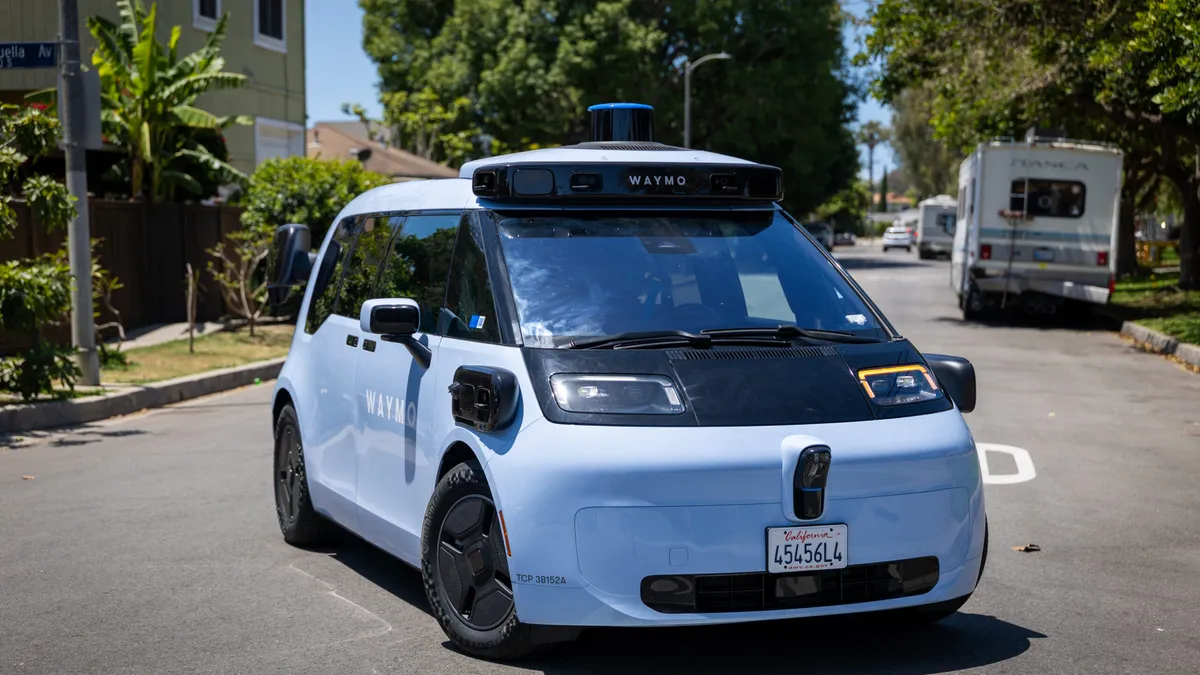
In a surprising twist for ride-hailing enthusiasts, Waymo, the driverless taxi service from Alphabet, is poised to offer free rides in California for several months due to a regulatory snag. The company’s latest vehicle, the Ojai, has begun picking up riders, but the inability to charge for fares stems from an ongoing approval process with state regulators. This unique situation not only highlights the complexities of operating autonomous vehicles in California but also presents an unexpected opportunity for consumers eager to experience the future of transportation without the cost.
Waymo's operations in California have flourished over the years, thanks to a combination of favorable weather, a tech-savvy population, and a robust workforce. However, the state's stringent regulatory framework requires companies to obtain explicit permission from the California Department of Motor Vehicles (DMV) and the California Public Utilities Commission (CPUC) before expanding their services or introducing new vehicle models. This process has proven to be a double-edged sword: while it ensures safety and accountability, it also creates delays that can affect service availability and pricing for consumers.
The Impact of Regulatory Delays on Waymo
In January, Waymo submitted a request to the CPUC to broaden its service area and integrate the Ojai, its first purpose-built driverless taxi, into its fleet. The expansion plan aims to cover a significant portion of Northern and Southern California, including major urban hubs like Sacramento, San Jose, Los Angeles, and even extending towards the Mexican border. However, the CPUC has since raised concerns about Waymo's emergency protocols and its handling of unaccompanied minors, leading to a protracted review process.
Questions Raised by Regulators
The regulators are particularly focused on how Waymo intends to respond to emergency incidents—a notable concern after a December power outage in San Francisco left 60 of its robotaxis stranded in traffic. Furthermore, the CPUC is scrutinizing how Waymo ensures compliance with state laws regarding transporting unaccompanied minors, a significant point raised by a labor union representing ride-hail drivers. The culmination of these inquiries has resulted in an extended review period, with approval now tentatively pushed to September 25.
Understanding the Ojai: Waymo's Latest Innovation
The Ojai is not just another addition to Waymo's fleet; it is the first vehicle specifically designed for driverless operations. While it retains a traditional steering wheel and brake pedals, it is equipped with advanced technology that includes:
- **13 cameras** for 360-degree visibility
- **6 radar systems** for detecting obstacles
- **4 lidar sensors** for precise mapping and navigation
This combination of technologies enables the Ojai to navigate complex urban environments autonomously. The vehicle is manufactured by Zeekr, a Chinese automotive firm, but Waymo has structured its operations to comply with upcoming regulations prohibiting certain Chinese automotive technologies. Notably, the Ojai's core systems are developed and installed in the United States, circumventing potential trade restrictions.

Consumer Benefits: Free Rides Until Approval
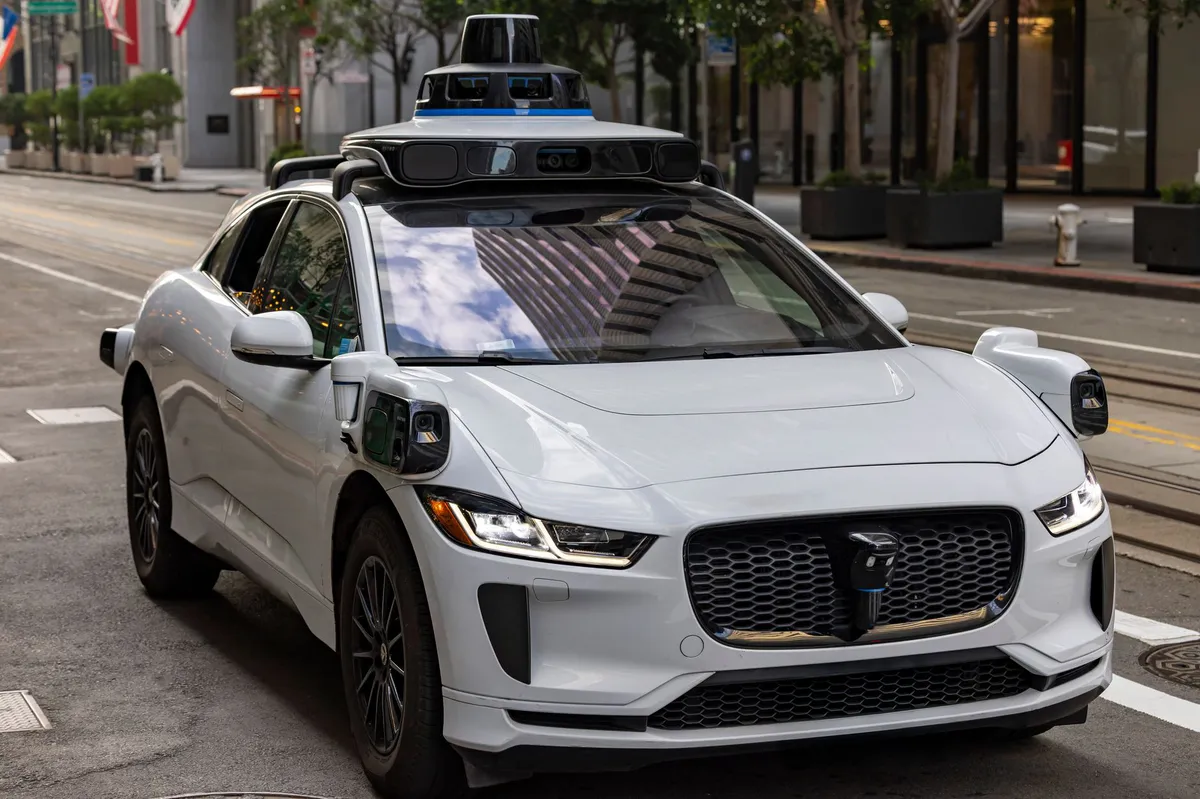
For consumers, the silver lining in this regulatory cloud is the opportunity to experience Waymo's Ojai rides without any charges. While Waymo continues to operate its existing fleet of Jaguar I-Pace robotaxis, which are chargeable, the Ojai's free rides present a unique chance for passengers to explore the technology risk-free. This offer, however, is contingent upon the CPUC's eventual approval, which could happen sooner than the September deadline.
What This Means for Riders
The prospect of free rides is particularly enticing for tech enthusiasts and early adopters eager to engage with autonomous vehicle technology. Waymo's commitment to not charge passengers until it receives regulatory approval reflects its dedication to compliance and user safety. Moreover, the feedback gathered during this trial phase may enhance the service's overall quality and reliability once it begins regular operations.
Challenges Ahead for Autonomous Vehicle Companies
Waymo's experience underscores the broader challenges facing autonomous vehicle companies in California. The stringent regulatory environment, while designed to ensure safety, can stifle innovation and slow down the deployment of transformative technologies. As these companies navigate complex legal frameworks, they must also contend with public sentiment, labor concerns, and competition from other tech firms vying for a stake in the autonomous vehicle market.
Future of Autonomous Ridesharing
Looking ahead, it is crucial for policymakers and industry stakeholders to strike a balance between regulation and innovation. As autonomous vehicles become increasingly integrated into our transportation ecosystems, the need for clear guidelines that facilitate growth while ensuring public safety will be paramount. The outcome of Waymo's current regulatory challenges may set pivotal precedents for the entire industry, influencing how and when other companies can roll out similar services.
Key Takeaways
- Waymo's Ojai robotaxi offers free rides due to ongoing regulatory delays.
- The CPUC has raised concerns regarding emergency protocols and unaccompanied minors.
- Waymo's vehicle integrates advanced technology for autonomous navigation.
- Regulatory frameworks in California could impact the future of the autonomous vehicle industry.
Frequently Asked Questions
What is the current status of Waymo’s regulatory approval?
Waymo is awaiting approval from the California Public Utilities Commission after submitting an application to expand its service area and integrate its new Ojai vehicle. The regulatory review process has been extended, with a new deadline set for September 25. Until then, Waymo will not charge for rides in the Ojai.
How does the Ojai differ from Waymo's previous vehicles?
The Ojai is Waymo's first vehicle specifically designed for autonomous taxi operations. Unlike previous models, it incorporates multiple advanced sensors and cameras tailored for driverless navigation, enhancing its ability to manage complex driving scenarios autonomously.
Why is the regulatory process more stringent in California compared to other states?
California's regulatory framework for autonomous vehicles is more rigorous than in many other states, requiring explicit permissions from both the DMV and the CPUC. This thorough oversight aims to ensure public safety and compliance with state laws, but it can also lead to delays in service expansion for companies like Waymo.
Comments
India's Smartphone Manufacturing Boom: Vivo Partners with Dixon Technologies
India's smartphone manufacturing sector is set for a transformative leap with Vivo's joint venture with Dixon Technologies. This partnership marks a significant milestone in leveraging local capabilities and aligning with national policies, paving the way for enhanced exports and sustainable growth.

Related articles



Popular in Cloud Computing
- SK Hynix's Historic $26.5 Billion IPO: A New Era for Memory Chips
- Kubernetes and the Future of Desktop Infrastructure: A Paradigm Shift
- Amazon Expands Partnership with Nvidia, Tripling GPU Orders Amid AI Demand Surge
- Elon Musk's Evolving Relationship with Anthropic: A New Era for AI Hosting
- Emerging Rocket Launches: A New Era for Space Exploration