Revolutionizing Space Launch: How Starship is Changing the Game
SpaceX's Starship is reshaping the landscape of satellite launches, enabling new designs and applications. This article delves into its impact on the space industry and future trends.
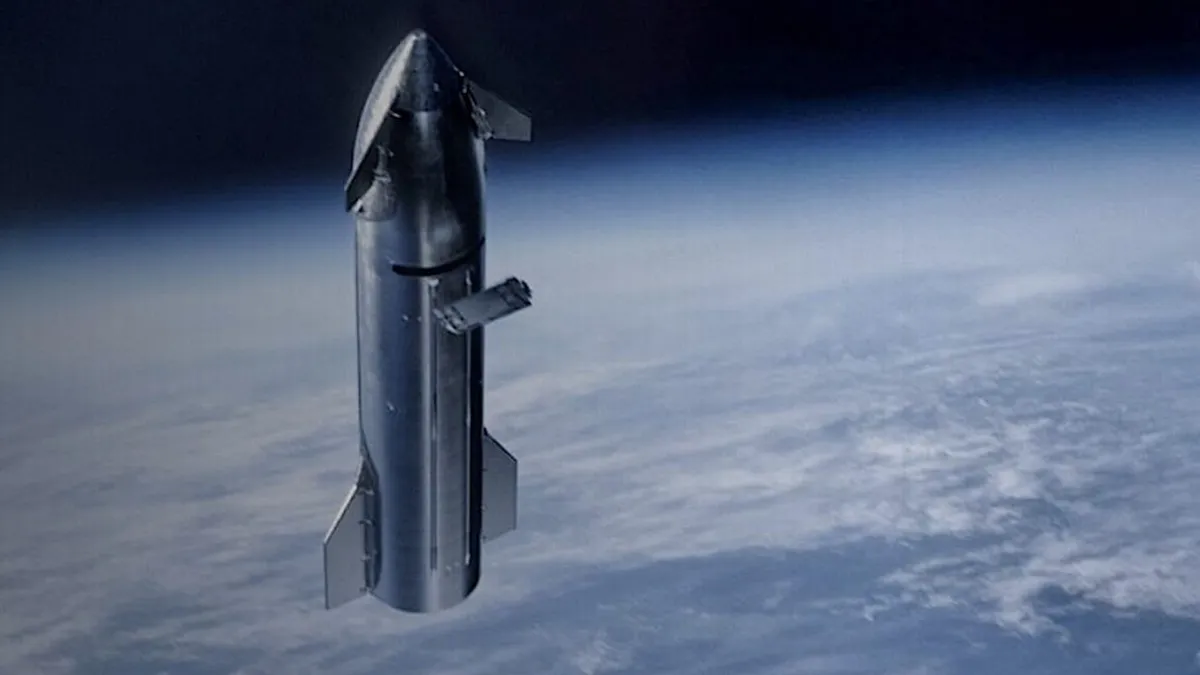
In the evolving landscape of space exploration, the launch vehicle has traditionally dictated the types of payloads that can be transported into orbit. This paradigm is shifting dramatically with the advent of SpaceX's Starship, a super-heavy-lift rocket capable of carrying more than 100 metric tons (220,000 pounds) to low-Earth orbit. Not only does this capability promise to transform the economics of launching satellites, but it also opens up a myriad of possibilities for new satellite designs and applications that were previously constrained by the limitations of existing launch vehicles.
Just over a decade ago, the idea of a rocket like Starship was largely theoretical, with few outside SpaceX seeing the potential for such a transformative vehicle. Today, the space industry is eagerly awaiting the first successful missions of Starship, as both commercial and government entities recognize its potential to redefine the future of space transportation.
The Shift in Payload Design Philosophy
Historically, satellite manufacturers tailored their designs to fit the specifications dictated by their launch vehicles. Rockets were engineered to accommodate traditional payload configurations, typically involving single payloads or small clusters of satellites stacked on top of one another, housed within a protective aerodynamic shroud. This conventional wisdom has dominated the industry for decades, resulting in a predictable matching process where smaller satellites required smaller rockets, and larger payloads necessitated heavier launchers.
SpaceX's Innovative Approach
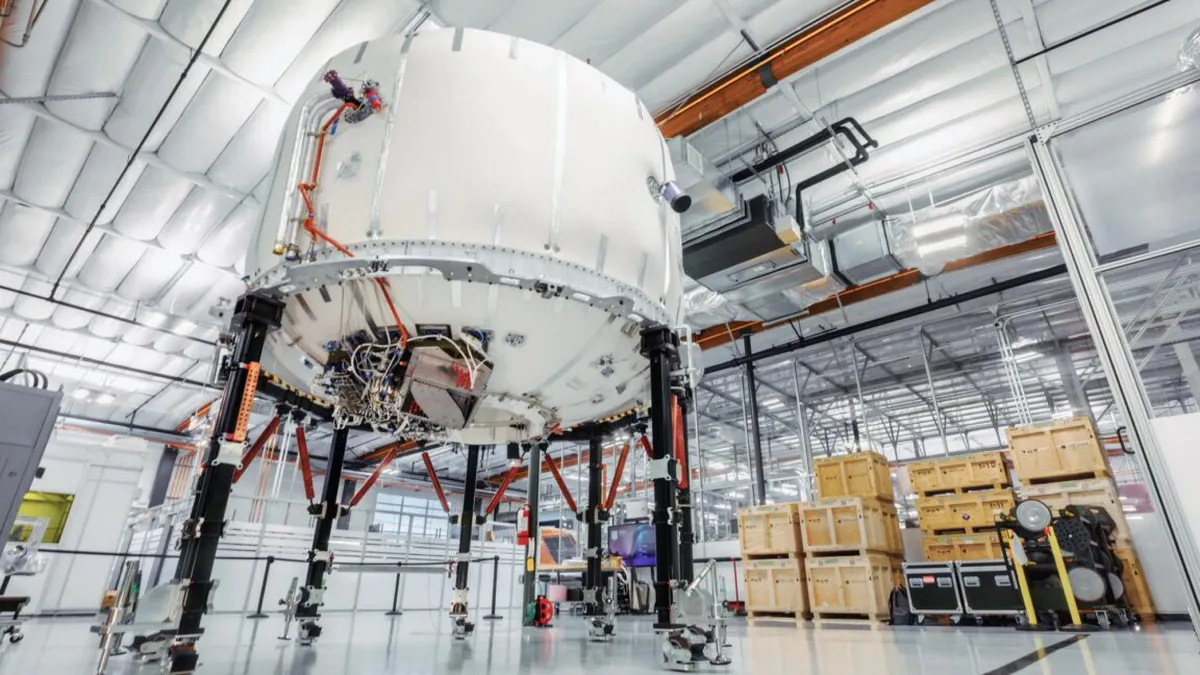
SpaceX's Starship is set to challenge these long-standing assumptions with its unique design and operational philosophy. Instead of housing payloads in a traditional fairing, Starship utilizes a system reminiscent of a Pez dispenser, allowing for the deployment of multiple satellites from within the vehicle's fuselage. This innovation not only revolutionizes how satellites are launched but also significantly enhances the efficiency of space missions.
- Increased payload capacity, allowing for more satellites per launch.
- The ability to deploy satellites individually and on-demand, which enhances mission flexibility.
- Reduced manufacturing complexity for satellite builders, as the design can be optimized for the Starship’s deployment mechanism.
The Emerging Landscape of Satellite Manufacturing
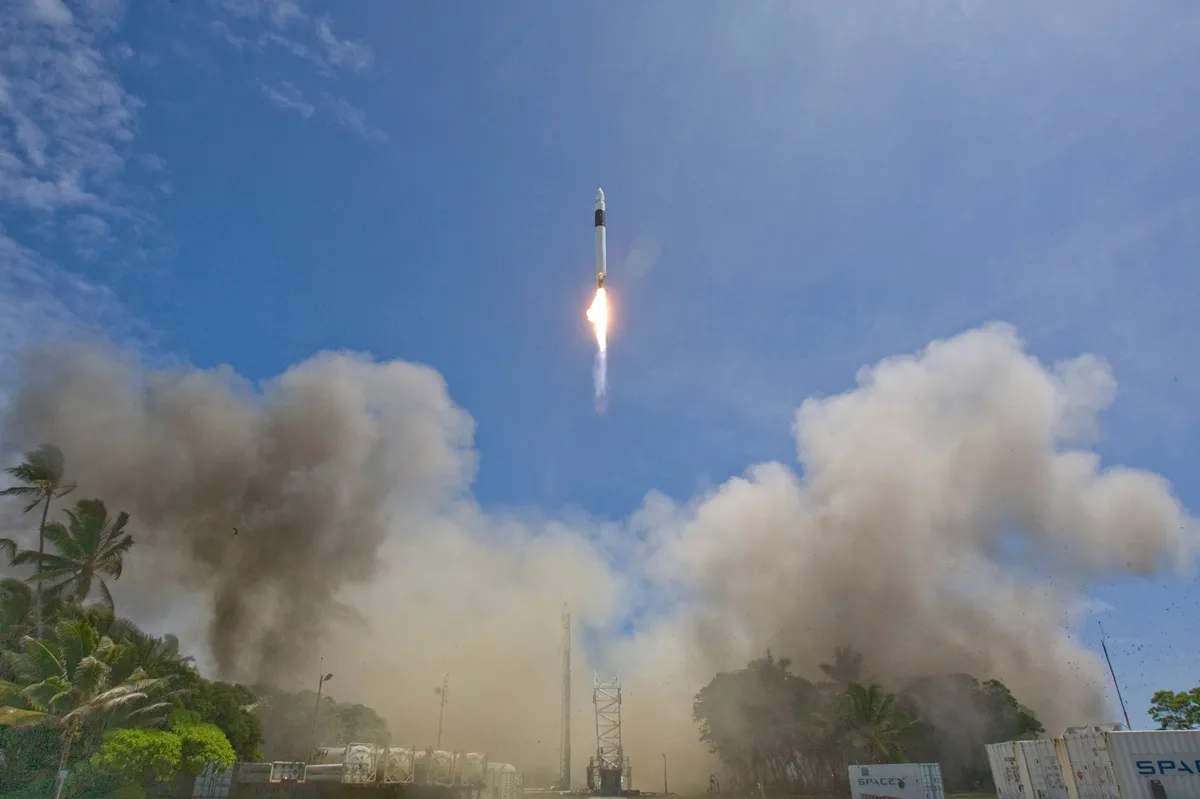
With Starship’s capabilities on the horizon, satellite manufacturers are adapting their designs to leverage the advantages of this new launch vehicle. Notably, SpaceX's forthcoming Starlink V3 satellites will be the first payloads to utilize the new deployment system, capable of carrying up to 60 units in a single launch. The flat, stackable architecture of these satellites maximizes surface area for communication and simplifies the launch process.
Companies like Muon Space are also embracing this new paradigm, developing high-power satellite designs optimized for Starship's unique deployment capabilities. Their Condor-Ultra platform is being engineered specifically for mass deployment from Starship, illustrating how manufacturers are rethinking their strategies in anticipation of a new era of space launches.
Competition and Innovation
Other players in the industry are not standing still. For example, Blue Origin's New Glenn rocket, while not as powerful as Starship, is also being designed to cater to the changing needs of satellite operators. Additionally, new startups like Apex and Vast are introducing flat-panel designs that align with the anticipated demand for high-density launch capabilities.
Key competitors and their initiatives include:- Blue Origin: Developing the New Glenn rocket to serve medium to heavy payloads.
- Apex: Creating flat satellite designs optimized for future super-heavy launchers.
- Vast: Branching into satellite manufacturing with a focus on high-density, batch deployment architectures.
Economic Implications of Super-Heavy-Lift Launchers
The economic impact of Starship could be transformative. According to a report from the Aerospace Corporation, the operational costs of launching payloads could potentially drop from several thousand dollars per kilogram to just a few hundred. This dramatic reduction in launch costs would unlock new opportunities for smaller companies and governments to engage in space exploration and satellite deployment.
As Karen Jones, a space economist, notes, the implications of this cost reduction extend beyond mere economics; they could foster innovation in satellite applications, enabling missions that require larger constellations or more sophisticated technologies to become viable.
Future Applications
The potential applications of Starship’s capabilities are vast. NASA is eyeing the rocket for missions to the Moon, while the U.S. military is exploring its use for rapid cargo transport to remote war zones. Furthermore, scientists are anticipating the opportunity to launch large space telescopes and other sophisticated instruments that were previously deemed too costly or impractical to deploy.
Challenges and Considerations
While the advantages of Starship are clear, the transition to this new model of satellite deployment does not come without challenges. Satellite manufacturers must navigate the technical hurdles associated with developing new designs that are compatible with Starship’s deployment mechanism. Additionally, there remains skepticism about the long-term viability of flat-panel satellite architectures, as some experts believe that traditional designs may still hold advantages for certain types of missions.
Key challenges include:- Ensuring compatibility between new satellite designs and Starship’s unique deployment system.
- Addressing the skepticism surrounding the flat-panel architecture's widespread adoption.
- Balancing the push for innovation with the need for reliability and proven performance in satellite missions.
Key Takeaways
- Starship’s unprecedented payload capacity is set to redefine satellite design and deployment strategies.
- The shift toward flat-panel, stackable satellite architectures is gaining traction among manufacturers.
- Significant cost reductions in launching payloads could democratize access to space.
- While challenges exist, the potential applications for Starship are broad and promising.
Frequently Asked Questions
What makes Starship different from previous launch vehicles?
Starship stands out due to its super-heavy-lift capability and innovative deployment mechanism. Unlike traditional rockets that launch payloads in a stacked configuration, Starship deploys satellites from within its fuselage, allowing for individual, on-demand release. This flexibility enhances mission efficiency and enables new satellite designs.
How will the cost reductions affect the space industry?
The projected drop in launch costs from thousands to hundreds of dollars per kilogram could dramatically expand the market for satellite deployment. This shift would make space more accessible to smaller companies, startups, and governments, fostering greater innovation and a wider array of satellite applications.
Are other companies following SpaceX's lead?
Yes, numerous companies are adapting their satellite designs to align with the anticipated capabilities of Starship. Competitors like Blue Origin and new startups are developing their rockets and satellite architectures to leverage the changing dynamics in the launch market, indicating a significant shift in the industry.
Comments
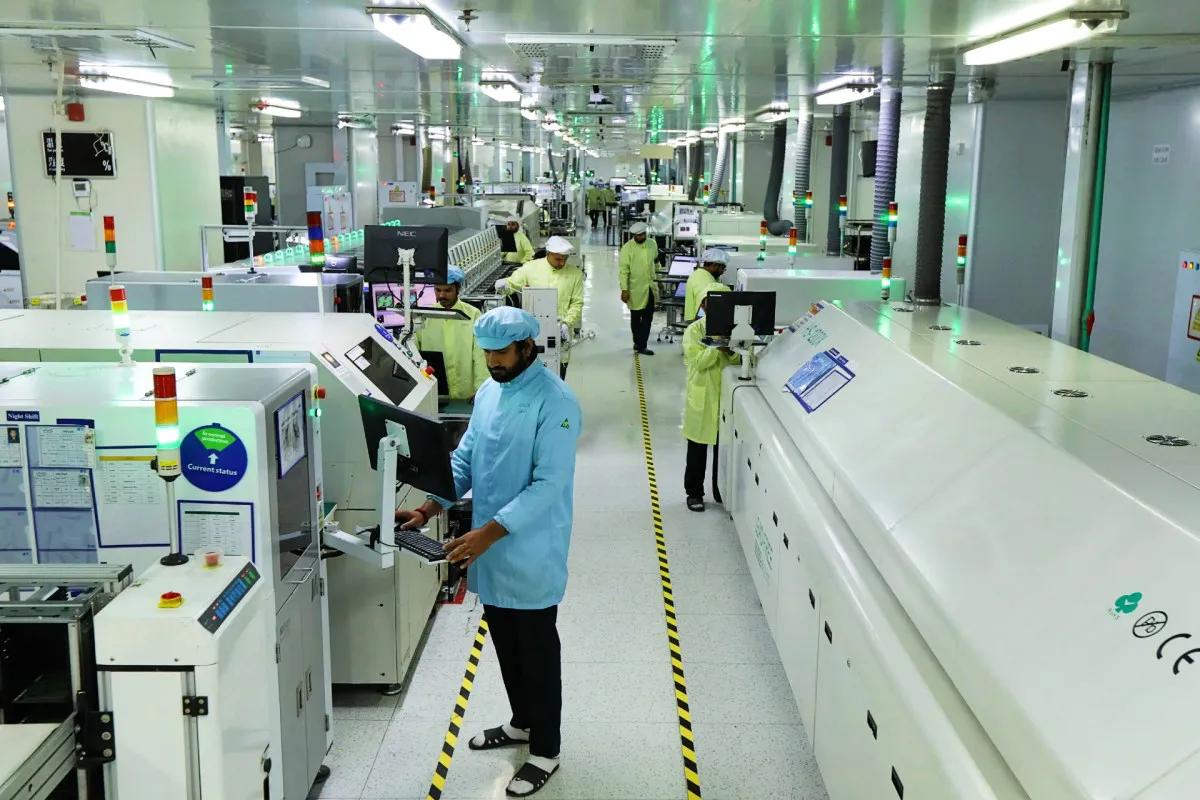
India's Smartphone Manufacturing Boom: Vivo Partners with Dixon Technologies
India's smartphone manufacturing sector is set for a transformative leap with Vivo's joint venture with Dixon Technologies. This partnership marks a significant milestone in leveraging local capabilities and aligning with national policies, paving the way for enhanced exports and sustainable growth.
Related articles



Popular in Cloud Computing
- SK Hynix's Historic $26.5 Billion IPO: A New Era for Memory Chips
- Kubernetes and the Future of Desktop Infrastructure: A Paradigm Shift
- Amazon Expands Partnership with Nvidia, Tripling GPU Orders Amid AI Demand Surge
- Elon Musk's Evolving Relationship with Anthropic: A New Era for AI Hosting
- Emerging Rocket Launches: A New Era for Space Exploration