Nandan Nilekani Steps Back at Fundamentum Amid $200M Fund Launch
Nandan Nilekani, co-founder of Infosys, transitions from his role at Fundamentum as the firm announces its third fund aimed at supporting Indian startups. This move reflects the evolving landscape of venture capital in India.
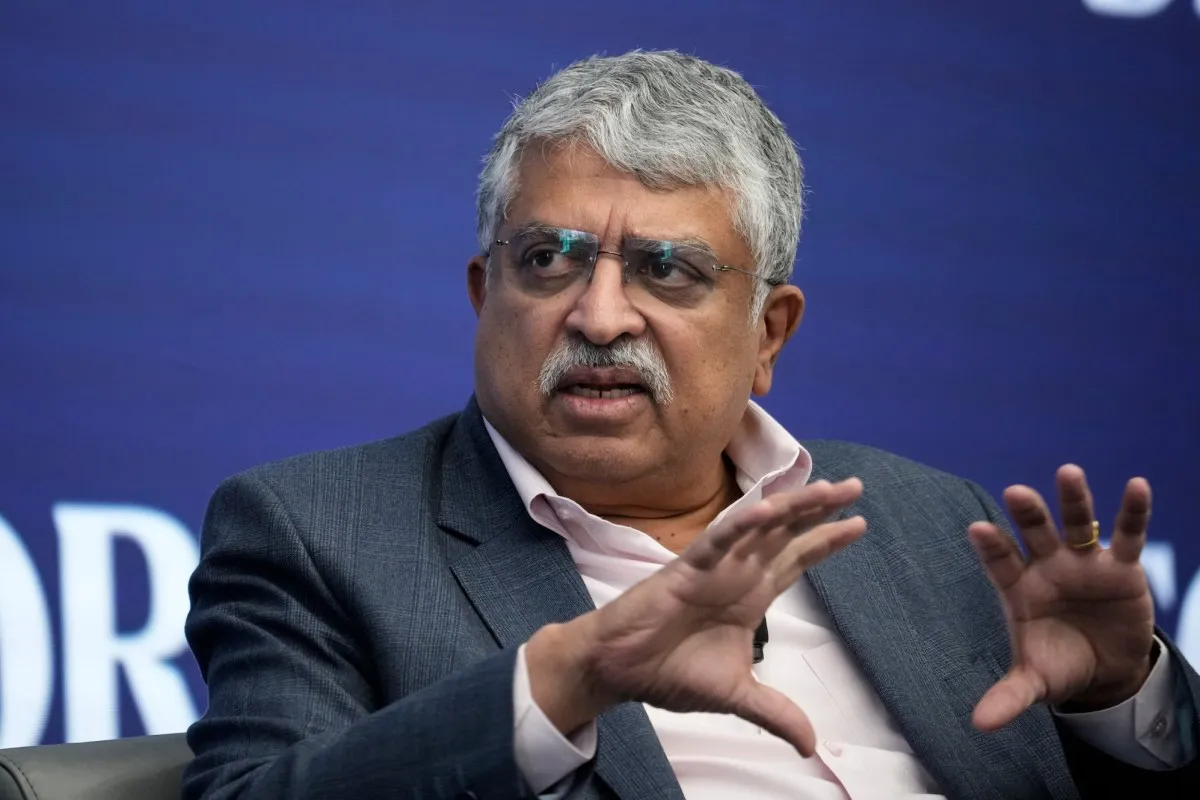
The Indian venture capital scene is witnessing a significant transition as one of its most prominent figures, Nandan Nilekani, co-founder of Infosys and a pivotal advocate for India’s digital transformation, steps back from his role as general partner at Fundamentum Partnership. As the firm prepares to launch its third fund, targeting a substantial $200 million, Nilekani's departure from day-to-day operations raises questions about the future direction of the firm and the implications for the broader investment landscape in India.
Nilekani, who has been instrumental in shaping the country’s tech ecosystem, will remain involved as an anchor investor and advisor, ensuring that his expertise continues to guide the firm and its portfolio companies. His co-founder, Sanjeev Aggarwal, characterizes this shift as primarily a formal title change, emphasizing that Nilekani's commitment to mentoring and strategic guidance remains unchanged. This transition marks a notable moment for Fundamentum, which has been actively investing in India’s growing startup ecosystem since its inception in 2017.
Nandan Nilekani: A Visionary Leader in Indian Tech
At 71, Nilekani's legacy in the Indian technology sector is profound. As a co-founder of Infosys, he played a key role in putting India on the global tech map, establishing a company that today employs hundreds of thousands worldwide and generates billions in revenue. His efforts in creating Aadhaar, India’s biometric identification system, and advocating for the Unified Payments Interface (UPI) have significantly influenced the country’s digital economy, making financial services more accessible to millions.
Moreover, Nilekani has pushed for innovations like the Open Network for Digital Commerce (ONDC), aimed at enhancing the interoperability of e-commerce platforms in India. His strategic insights are expected to remain a cornerstone of Fundamentum’s operations, especially as the firm embarks on its mission to support promising startups in a rapidly evolving market.
The Launch of Fund III: Strategies and Goals
Fundamentum is gearing up to launch its third fund, with a target of raising approximately $200 million. This fund aims to invest in eight to ten early-stage startups, primarily focusing on sectors such as consumer technology, fintech, and artificial intelligence (AI). Each startup is expected to receive initial investments of around ₹100 crore (approximately $10.5 million).
While the firm has not yet announced a first close for the fund, it has already started deploying capital, with expectations for the fundraising to conclude within the next 12 to 18 months. Aggarwal has indicated that Nilekani is making his largest-ever commitment to this venture capital fund, although the specific investment amount remains undisclosed.
Shifts in India’s Venture Capital Landscape
Fundamentum’s approach reflects a significant evolution in India’s venture capital ecosystem. Historically, much of the capital for Indian startups was sourced from international investors, particularly from the United States. However, the landscape has shifted dramatically over the past decade, with domestic investors now playing a crucial role in funding local ventures.
- Investment Focus: Fund III will prioritize consumer technology, fintech, and AI, areas expected to see substantial growth.
- Domestic Capital: About half of the fund's target is anticipated to come from international investors, with the remainder sourced from Indian institutions and family offices.
- Track Record: The firm has successfully made 17 investments across its first two funds, returning approximately half of the capital from the first fund.
This shift is indicative of growing confidence among Indian investors in the potential of local startups, as noted by Aggarwal, who reflected on the early days of venture capital in India when domestic capital was virtually nonexistent.
New Leadership and Investment Team Dynamics
The leadership change at Fundamentum is not just about Nilekani stepping back; it also broadens the firm’s senior investment team. Alongside Aggarwal, Fund III will be led by key figures such as Prateek Jain, a founding member of Fundamentum, and fintech investor Mayank Kachhwaha, who joined ahead of Fund II. Sanjay Chaturvedi, the finance chief, has been with the firm for nearly a decade, ensuring continuity in financial oversight.
This diversification of leadership is crucial as the firm navigates the complexities of the Indian startup ecosystem, particularly in the wake of recent market fluctuations and changing investor sentiments. The collective experience of the team positions Fundamentum to identify and capitalize on emerging opportunities in the tech space.

Opportunities in AI and Consumer Tech
With a keen focus on AI and consumer technology, Fundamentum is well-positioned to leverage India's burgeoning startup ecosystem. The firm sees significant opportunities in applications built on existing global AI models, particularly in financial services, content creation, and vernacular consumer applications. Unlike markets like the U.S. and China, where venture capital has heavily funded foundational AI models, India’s strength lies in application-layer startups that can innovate and cater to local needs.
This strategic focus aligns with global trends where AI is becoming increasingly integral to various sectors, from healthcare to finance. As Indian startups continue to innovate in this space, the support from funds like Fundamentum will be crucial in helping them scale and compete not just domestically, but also on an international level.

Conclusion: What Lies Ahead for Fundamentum?
The transition of Nandan Nilekani from general partner to anchor investor and advisor at Fundamentum marks a new chapter for the firm and its portfolio companies. As it launches Fund III, the emphasis on mentorship and strategic guidance remains intact, ensuring that Nilekani's vision and expertise will continue to shape the future of Indian startups. As the firm navigates the complexities of the Indian venture capital landscape with a diversified leadership team, it stands ready to make impactful investments that could redefine the tech ecosystem in India.

Key Takeaways
- Nandan Nilekani steps back as general partner at Fundamentum but remains a mentor and advisor.
- Fundamentum's third fund aims to raise $200 million, primarily targeting consumer tech and fintech startups.
- The firm reflects a shift in Indian venture capital, with increased participation from domestic investors.
- A diversified leadership team positions Fundamentum to effectively navigate the evolving startup landscape.
- The focus on AI and application-layer startups underscores India's unique strengths in the global tech ecosystem.
Frequently Asked Questions
What is the significance of Nandan Nilekani's role change at Fundamentum?
Nandan Nilekani's transition from general partner to anchor investor and advisor signifies a strategic shift within Fundamentum, allowing him to focus on mentorship while still providing essential guidance to the firm. His extensive experience and insights will continue to influence the direction of the fund and its portfolio companies, ensuring that emerging startups benefit from his wealth of knowledge.
How does Fund III differ from previous funds at Fundamentum?
Fund III distinguishes itself by targeting a larger capital raise of approximately $200 million and focusing on specific sectors like consumer technology, fintech, and AI. This targeted approach reflects the evolving dynamics of the Indian startup ecosystem and aims to capitalize on growing opportunities in these sectors. Additionally, the fund will leverage a more diverse leadership team to enhance its investment strategy.
What are the implications of the shift towards domestic capital in Indian venture capital?
The increasing role of domestic capital in Indian venture capital is a significant development, as it indicates growing confidence among local investors in the viability and potential of Indian startups. This shift allows funds to operate with a more robust financial base, reducing dependency on international investors and fostering a more sustainable investment environment that can better support local entrepreneurs.
What opportunities exist for startups in the AI sector in India?
Startups in India have a unique opportunity to innovate within the AI sector, particularly in developing application-layer solutions that cater to local markets. With a focus on vernacular applications and sectors like financial services and content creation, Indian startups can leverage existing global AI models while addressing specific regional needs. This strategic positioning enables them to compete effectively on both domestic and international fronts.
Comments
India's Smartphone Manufacturing Boom: Vivo Partners with Dixon Technologies
India's smartphone manufacturing sector is set for a transformative leap with Vivo's joint venture with Dixon Technologies. This partnership marks a significant milestone in leveraging local capabilities and aligning with national policies, paving the way for enhanced exports and sustainable growth.

Related articles




Popular in Cloud Computing
- SK Hynix's Historic $26.5 Billion IPO: A New Era for Memory Chips
- Kubernetes and the Future of Desktop Infrastructure: A Paradigm Shift
- Amazon Expands Partnership with Nvidia, Tripling GPU Orders Amid AI Demand Surge
- Elon Musk's Evolving Relationship with Anthropic: A New Era for AI Hosting
- Emerging Rocket Launches: A New Era for Space Exploration