The Military's New Space Frontier: Impulse Space Joins the Launch Competition
As the U.S. Space Force expands its launch competition, Impulse Space enters the fray, offering innovative solutions for high-energy payload deliveries. This new approach underscores a growing trend in military contracting and the evolving landscape of space operations.
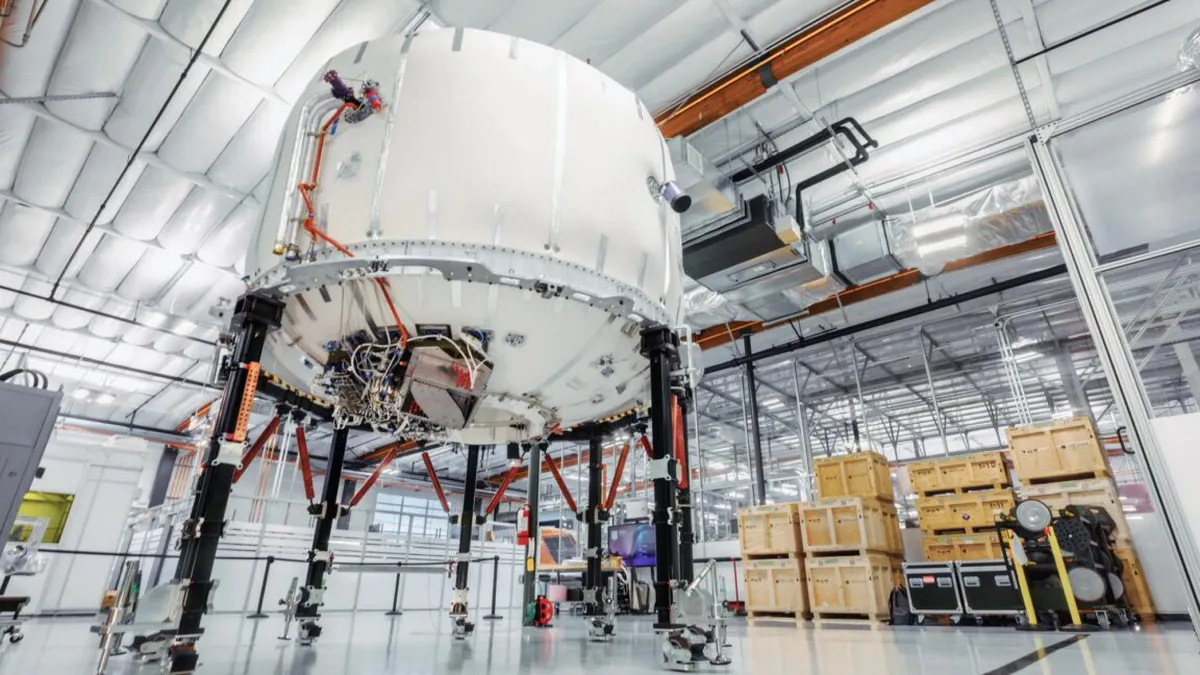
The U.S. Space Force is entering a new era in military space operations as it opens its doors to fresh talent and innovative technologies. This week, the Space Force welcomed two new contenders into its launch competition: Impulse Space and Relativity Space. While Relativity Space is recognized for its advancements in the heavy-lift sector, the inclusion of Impulse Space, a company primarily focused on in-space operations, marks a significant shift in the traditional launch paradigm. This development signals not only a diversification of options for military payload delivery but also highlights the evolving needs of the Space Force in an increasingly complex space environment.
Impulse Space’s entry into the military’s launch competition reflects a growing demand for high-energy launch capabilities, particularly for missions targeting geostationary orbit (GEO). As the U.S. military seeks to enhance its operational readiness in space, the need for innovative solutions to deploy satellites and other payloads has never been more critical. Indeed, the competition underscores a vital intersection between technology and military strategy, as the U.S. looks to maintain its edge in aerospace.
The National Security Space Launch Program: An Overview
The National Security Space Launch (NSSL) program is designed to ensure that the U.S. military has reliable access to space. The current iteration, known as Phase 3, allows companies to bid on launch contracts for missions scheduled between 2025 and 2029. The structure of the program includes two distinct lanes: Lane 1, aimed at emerging companies, and Lane 2, reserved for established players like SpaceX and United Launch Alliance (ULA).
Lane 1 is particularly noteworthy, as it was intentionally designed to foster competition among newer entrants. The Space Force has allocated approximately 30 launches, valued at around $5.6 billion, for this lane, thereby providing an opportunity for smaller companies to demonstrate their capabilities. This shift not only opens new revenue streams for innovative firms but also encourages a more agile approach to military space operations.
Impulse Space: A New Player with Big Aspirations
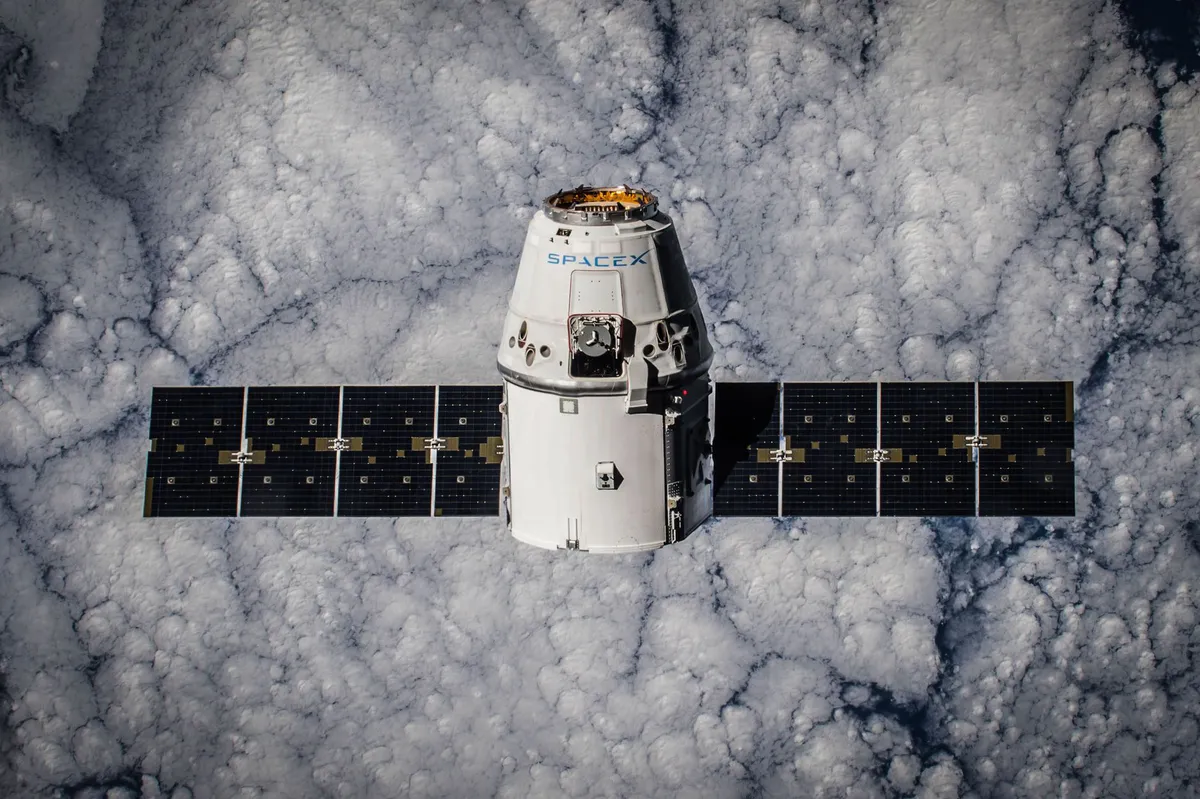
Impulse Space’s mission is to revolutionize in-space operations, and its recent inclusion in the military launch competition is a testament to its potential. The company is currently developing a proprietary technology called Helios, a “kick stage” designed to enhance the performance of existing rockets. By providing up to 9 km/s of delta-V (change in velocity), Helios can elevate payloads from low-Earth orbit (LEO) to the higher altitudes required for GEO missions.
Eric Romo, the company’s president and COO, emphasized the significance of the Space Force's recognition of Impulse Space’s capabilities. He stated, “I think it’s fair to say that Phase 3 did not contemplate this. However, the Space Force has been really clear that they’ve got a lot of demands for high-energy launch, especially at GEO, and they don’t have a lot of supply.” This acknowledgment from military officials highlights the urgent need for innovative solutions in the face of increasing operational demands.
Technical Innovations: The Helios Kick Stage
The Helios kick stage is designed to work alongside various launch vehicles, including SpaceX’s Falcon 9 and ULA’s Atlas V, among others. This flexibility allows Impulse Space to effectively utilize existing infrastructure while providing enhanced performance for military missions. The company plans to offer an end-to-end service model that includes contract management for the launch vehicle, integration of the Helios stage, and payload stacking, ensuring a streamlined process from inception to launch.
To qualify for Lane 1 contracts, Impulse Space must first demonstrate Helios in actual flight conditions. The company is targeting a flight debut in 2027, with plans to launch on a Falcon 9 rocket. Successful completion of this mission will pave the way for future contracts and solidify Impulse Space's position in the military launch market.
Market Dynamics: The Implications of New Entrants
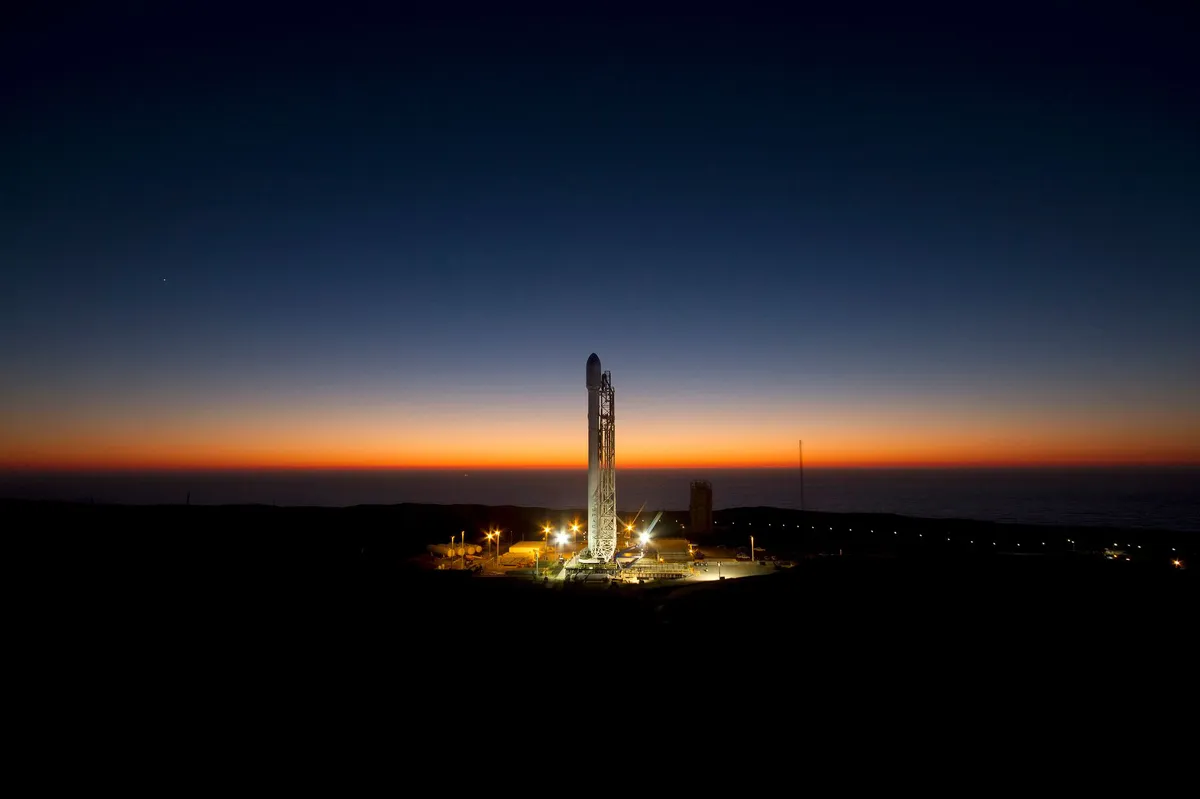
The addition of Impulse Space and Relativity Space to the NSSL program reflects broader trends in the aerospace industry. The military's increasing reliance on private companies for launch services has created a competitive landscape where innovation is key. The implications of this shift extend beyond just the immediate contracts; they also influence the broader market dynamics and the future of space technology.
As the Space Force diversifies its launch providers, traditional aerospace companies may face increased pressure to innovate and reduce costs. The competitive nature of the bidding process could lead to lower launch prices, which ultimately benefits the military and taxpayers. Additionally, the influx of new technologies may accelerate advancements in aerospace, potentially leading to breakthroughs that enhance national security.
- Growing Demand: As military operations expand in space, the need for reliable and high-performance launch services will continue to rise.
- Innovation Pressure: Established aerospace firms may need to adapt and innovate to remain competitive in a landscape populated by agile startups.
- Cost Efficiency: Increased competition could lead to reduced launch costs, benefiting military budgets and taxpayers.

Looking Ahead: The Future of Military Space Operations
The evolving landscape of military space operations will undoubtedly shape the future of national security. As companies like Impulse Space push the boundaries of technology and service offerings, the Space Force is positioned to enhance its capabilities significantly. The successful integration of these new entrants into the launch program will depend on their ability to meet stringent military requirements, achieve flight readiness, and deliver on time.
The broader implications of this competition extend beyond military applications. As private companies develop advanced technologies for government contracts, these innovations may trickle down to commercial space endeavors, further advancing the space economy and spurring collaboration between the public and private sectors. The intersection of military and commercial interests in space could lead to a more robust infrastructure that benefits both realms.
Key Takeaways
- Impulse Space and Relativity Space have joined the U.S. Space Force's launch competition, signaling a shift in military procurement strategies.
- The Helios kick stage by Impulse Space aims to enhance payload delivery capabilities, targeting a debut flight in 2027.
- Increased competition in the military launch sector may lead to lower costs and greater innovation across the aerospace industry.
Frequently Asked Questions
What is the National Security Space Launch program?
The National Security Space Launch (NSSL) program is a military initiative aimed at ensuring reliable access to space for national security missions. The program is divided into different phases, with Phase 3 allowing various companies to bid on launch contracts for missions scheduled between 2025 and 2029. It supports both established aerospace companies and emerging players, promoting competition and innovation.
How does Impulse Space fit into the military launch landscape?
Impulse Space is a new entrant that specializes in in-space operations rather than traditional rocket launches. Its Helios kick stage is designed to enhance the performance of existing rockets, enabling them to deliver payloads to higher orbits more effectively. This innovative approach aims to meet the growing demands of the Space Force for high-energy launches.
What are the potential benefits of increased competition in military launches?
As the military introduces more companies into its launch competitions, the increased competition may drive down launch costs, improve service quality, and accelerate technological advancements. This shift not only benefits military operations but also has positive implications for the commercial space industry, fostering collaboration and innovation across sectors.
Comments
India's Smartphone Manufacturing Boom: Vivo Partners with Dixon Technologies
India's smartphone manufacturing sector is set for a transformative leap with Vivo's joint venture with Dixon Technologies. This partnership marks a significant milestone in leveraging local capabilities and aligning with national policies, paving the way for enhanced exports and sustainable growth.
Related articles



Popular in Cloud Computing
- SK Hynix's Historic $26.5 Billion IPO: A New Era for Memory Chips
- Kubernetes and the Future of Desktop Infrastructure: A Paradigm Shift
- Amazon Expands Partnership with Nvidia, Tripling GPU Orders Amid AI Demand Surge
- Elon Musk's Evolving Relationship with Anthropic: A New Era for AI Hosting
- Emerging Rocket Launches: A New Era for Space Exploration