Rocket Report: The Future of Launch Systems and Market Dynamics
Rocket Lab and Blue Origin are redefining flexibility in space launches amid growing demand. This article explores their strategies and the challenges faced by the industry.
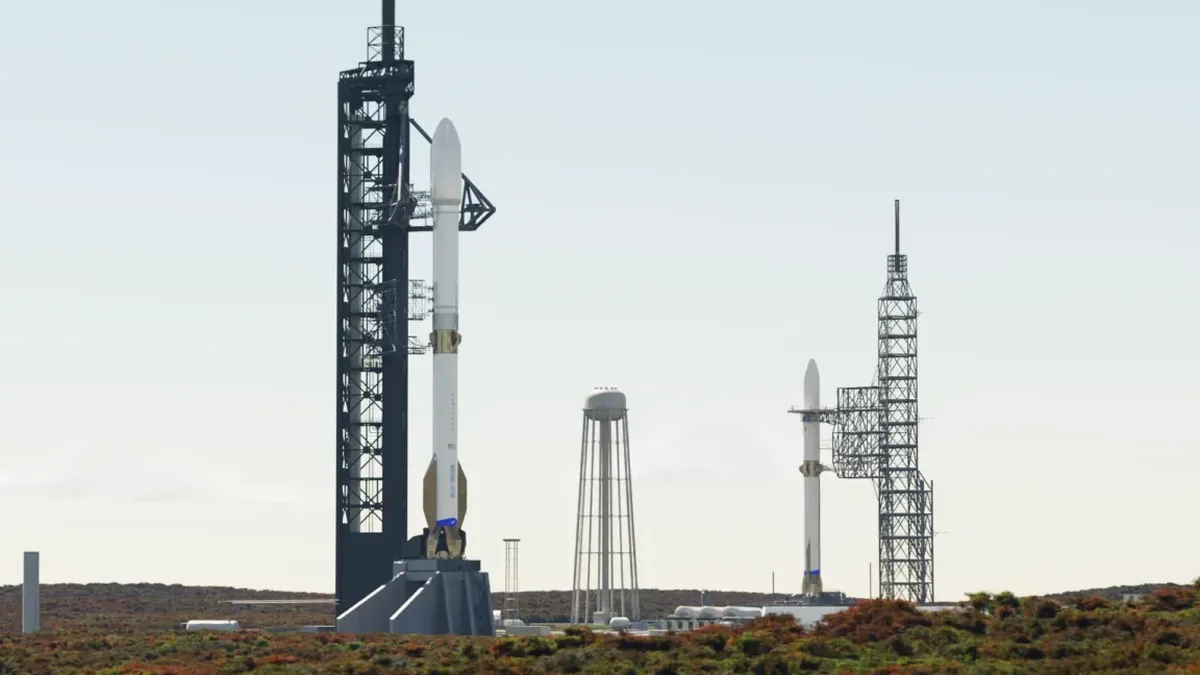
The rocket launch industry is in a state of flux, driven by an unprecedented demand for launch capacity and the emergence of innovative solutions. With companies like Rocket Lab and Blue Origin taking center stage, the landscape is evolving rapidly. As the need for flexible launch capabilities grows, Rocket Lab's new GHOST portable spaceport system and Blue Origin's expansion plans illustrate a strategic pivot towards meeting urgent market demands. This article delves into the latest developments from these leading firms, the challenges they face, and the implications for the future of space exploration.
Rocket Lab's GHOST Initiative: A Game Changer in Launch Flexibility
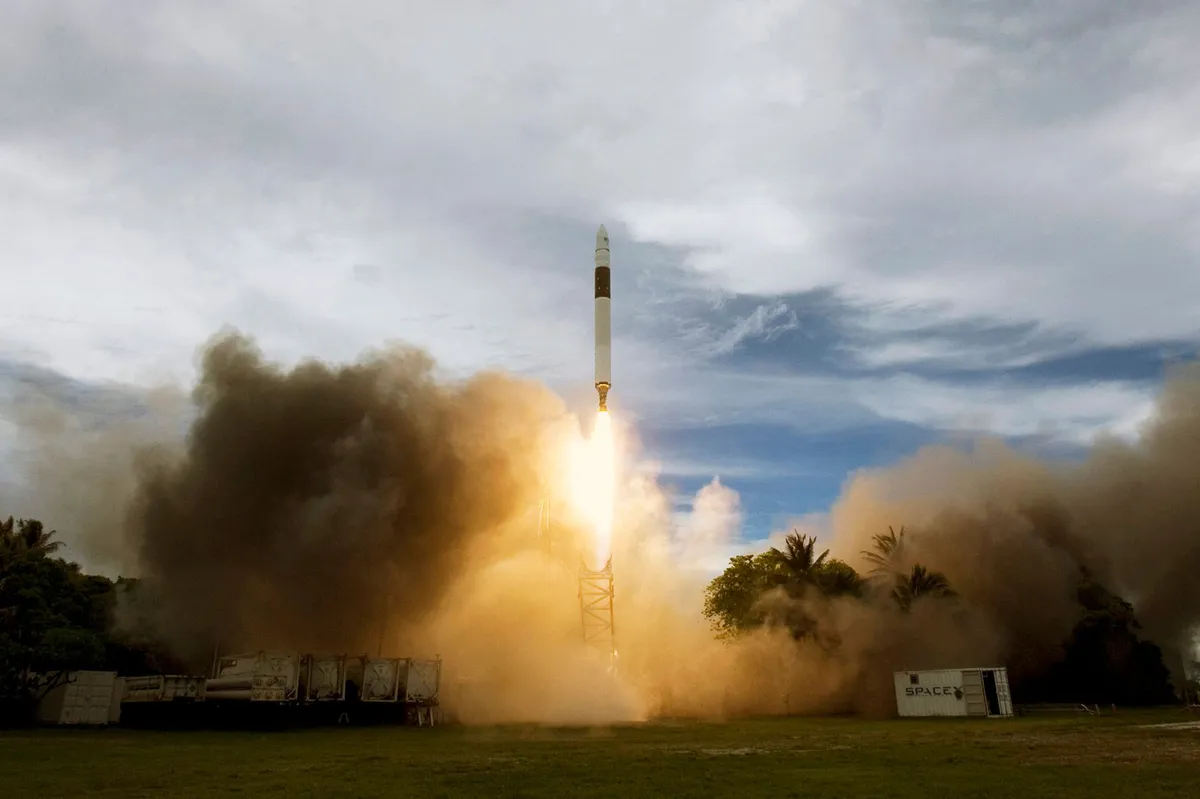
Rocket Lab is making waves with its announcement of GHOST—Global Hypersonic & Orbital Spaceport Technology. This innovative system is designed to transform the company’s Electron and HASTE rockets into a launch-anywhere, launch-anytime capability, catering to both multi-launch flight campaigns and critical national security missions.
Expanding Launch Footprint
Currently, Rocket Lab operates from two launch sites: its original site in New Zealand and a secondary location at Wallops Island in Virginia. The introduction of GHOST, however, marks a significant escalation in their operational capabilities. The company has plans to extend its launch operations to Alaska's Pacific Spaceport Complex, a move that will diversify its launch locations and enhance responsiveness to customer demands.
Peter Beck, Rocket Lab's CEO, emphasized that GHOST was developed in response to customer feedback, particularly from those involved in hypersonic testing. This adaptability will allow Rocket Lab to serve a variety of clients more efficiently, especially as national security missions become a more prominent aspect of the launch market.
Market Pressures and the Strain on Launch Capacity
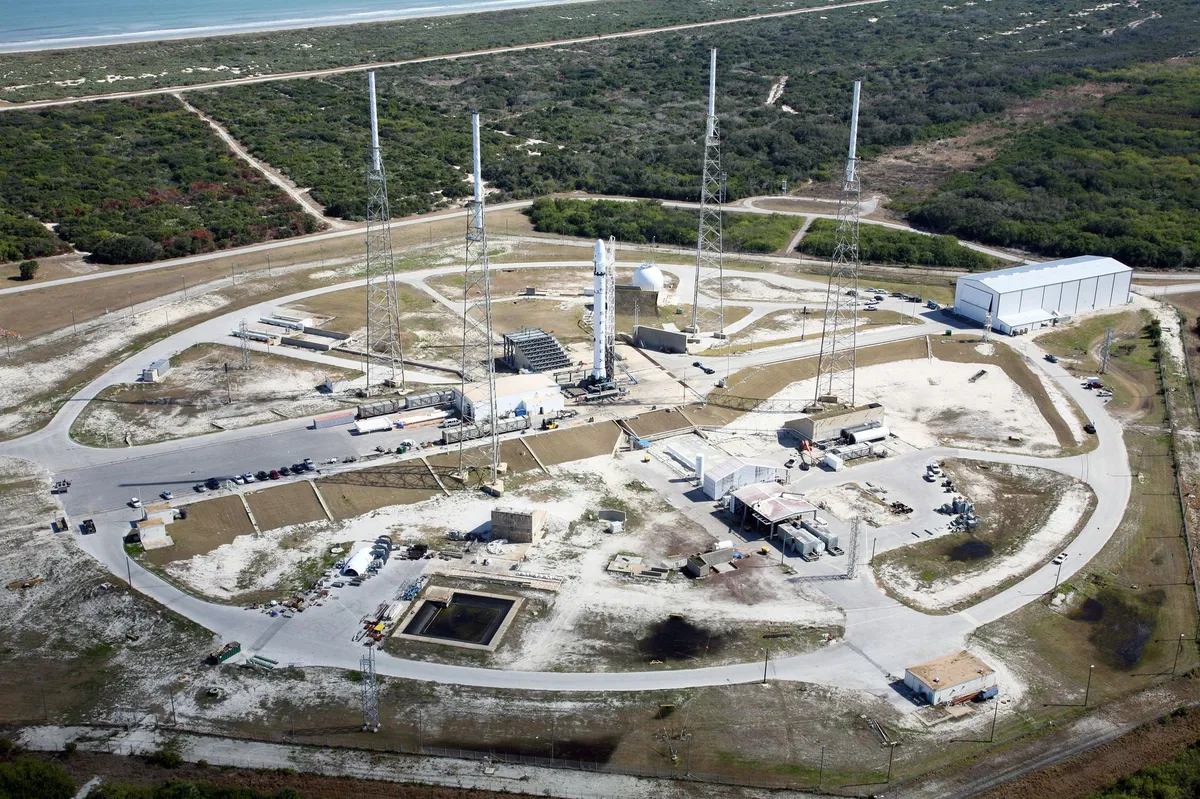
The launch industry is currently experiencing unprecedented constraints on capacity, with many companies struggling to meet demand. Jason Kim, CEO of Firefly Aerospace, recently highlighted that the demand for launch capacity is at an all-time high, stating, “We’ve never seen launch capacity so constrained.” This sentiment reflects the broader market landscape, where nearly all major players are booked solid for future missions.
Production Challenges
Firefly Aerospace is ramping up production of its Alpha launch vehicle to respond to this demand, yet it faces challenges in translating production into increased launch cadence. With the majority of its 2027 manifest already sold out, the company is under pressure to deliver on its commitments while navigating the complexities of ramping up production.
Impact of Delayed Launches
The struggles of companies like Rocket Lab and Firefly Aerospace underscore the precariousness of the industry. Rocket Lab recently announced that its highly anticipated Neutron rocket launch is now pushed back to 2027 due to ongoing developmental challenges. Such delays not only affect the companies involved but also have a ripple effect across the ecosystem, impacting clients and investors alike.
Blue Origin's Strategic Expansion
While Rocket Lab is redefining flexibility in launch capabilities, Blue Origin is focused on enhancing its infrastructure. The company has recently shared updates about its two-pad launch plan at Cape Canaveral, which aims to double the launch capacity of its New Glenn rocket.
Addressing Infrastructure Challenges
The catastrophic failure of the New Glenn rocket during a test in May raised concerns about Blue Origin's infrastructure and operational readiness. The company is currently investigating the failure, which resulted in significant damage to the launch pad and its associated facilities. This incident has prompted Blue Origin to reassess its engineering practices and safety protocols to prevent future mishaps.
Future Prospects
Despite these setbacks, the company remains optimistic about its future. With plans to expand its launch capabilities and address recent technical challenges, Blue Origin is positioning itself to be a formidable player in the competitive launch market.
Challenges Faced by Emerging Companies
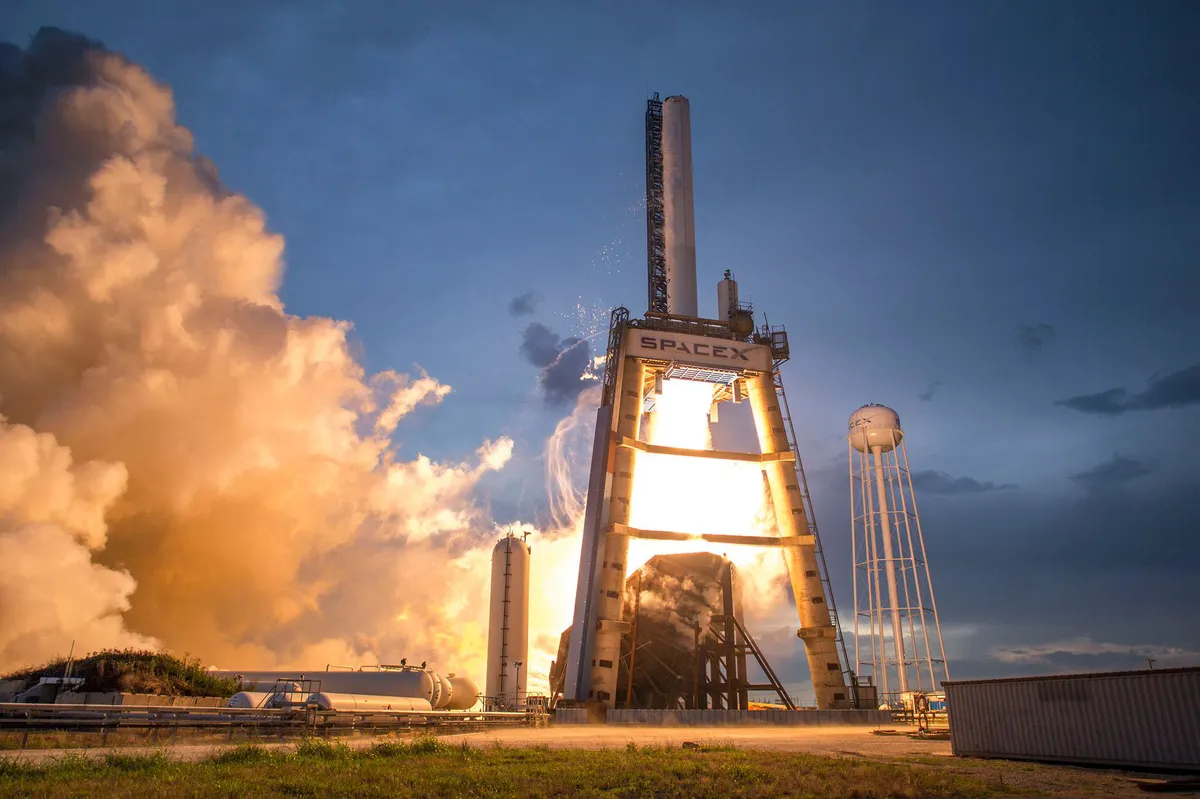
The current environment is particularly challenging for emerging space companies. ArianeGroup faced a significant decision regarding its subsidiary, MaiaSpace, which recorded a staggering loss of 37.5 million euros for 2025, resulting in negative shareholders' equity. Under French corporate law, this situation forced ArianeGroup to decide whether to dissolve MaiaSpace or allow it to continue operating. The decision to keep MaiaSpace afloat reflects the risks and uncertainties inherent in the startup phase of the space economy.
Broader Industry Implications
Many startups in the space sector are encountering similar financial hurdles. The intense competition for contracts, combined with the high costs associated with rocket development and launch operations, creates a precarious business environment. Investors are becoming increasingly cautious, and companies that cannot demonstrate a clear path to profitability face significant challenges in securing funding.
Key Takeaways
- Rocket Lab's GHOST initiative aims to enhance flexibility in launch capabilities, allowing for rapid response to customer needs.
- Firefly Aerospace and other companies are grappling with unprecedented demand and production challenges, affecting their launch cadence.
- Blue Origin's infrastructure expansion is critical following recent failures, and the company is committed to addressing engineering challenges.
- Emerging companies face financial pressures that could impact their viability in a competitive market.
Frequently Asked Questions
What is the GHOST system launched by Rocket Lab?
The GHOST system, which stands for Global Hypersonic & Orbital Spaceport Technology, is a portable spaceport initiative developed by Rocket Lab. It allows the company to launch its rockets from multiple locations, enhancing flexibility and responsiveness to customer demands. This system is particularly aimed at supporting national security missions and multi-launch flight campaigns.
How are current market dynamics affecting launch capacity?
The launch market is facing a significant constraint on capacity due to an unprecedented demand for launches. Companies like Firefly Aerospace have reported that their missions for 2027 are already sold out, making it challenging to meet customer needs. This high demand is causing many companies to ramp up production, but translating that into increased launch frequency is proving difficult.
What challenges does Blue Origin face after the New Glenn rocket failure?
Following the failure of the New Glenn rocket, Blue Origin is focused on investigating the cause of the incident and addressing any underlying technical issues. The failure resulted in substantial damage to its launch infrastructure, prompting the company to reassess its engineering protocols and safety measures to prevent future incidents. This situation poses both a financial risk and a reputational challenge for Blue Origin.
Why is the situation for emerging space companies precarious?
Emerging companies in the space sector face a precarious situation due to the intense competition for limited contracts and high development costs. Many startups are struggling with financial sustainability, as evidenced by ArianeGroup's decision regarding MaiaSpace. Investors are increasingly cautious, and companies that cannot demonstrate profitability or a clear business model risk losing funding and support.
Comments
Uber and Pony.ai Set to Launch 2,000 Robotaxis Across Europe
Uber and Pony.ai are expanding their partnership to introduce 2,000 robotaxis in Europe, aiming to capture a leading position in the emerging autonomous vehicle market. This strategic move highlights their ambition to innovate transportation and offers insights into future mobility trends.

Related articles




Popular in Cloud Computing
- SK Hynix's Historic $26.5 Billion IPO: A New Era for Memory Chips
- Kubernetes and the Future of Desktop Infrastructure: A Paradigm Shift
- Amazon Expands Partnership with Nvidia, Tripling GPU Orders Amid AI Demand Surge
- Elon Musk's Evolving Relationship with Anthropic: A New Era for AI Hosting
- Emerging Rocket Launches: A New Era for Space Exploration