Uber and Pony.ai Set to Launch 2,000 Robotaxis Across Europe
Uber and Pony.ai are expanding their partnership to introduce 2,000 robotaxis in Europe, aiming to capture a leading position in the emerging autonomous vehicle market. This strategic move highlights their ambition to innovate transportation and offers insights into future mobility trends.
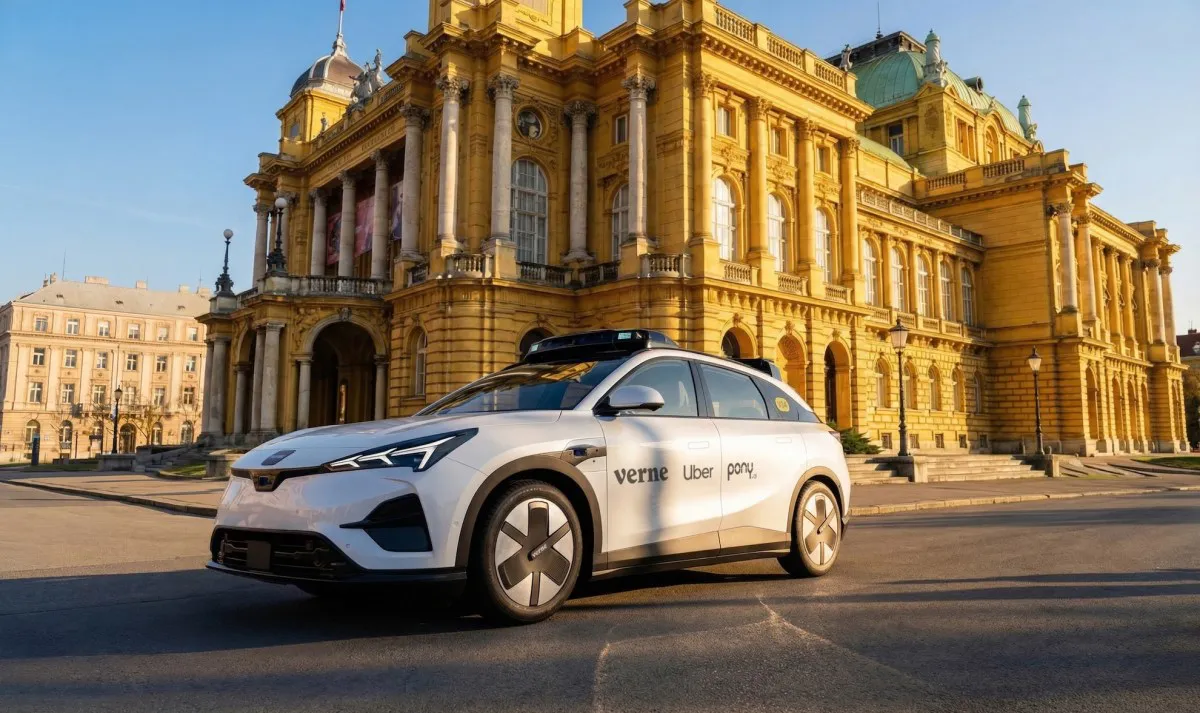
In a significant move that underscores the advancing landscape of autonomous transportation, Uber and Chinese autonomous vehicle manufacturer Pony.ai have announced plans to deploy 2,000 robotaxis across Europe. This collaboration is not just a milestone for both companies; it marks a pivotal moment in the burgeoning robotaxi industry, where innovation meets urban mobility. While specifics on the timeline and targeted cities remain undisclosed, the announcement paints a picture of a landscape increasingly dominated by self-driving vehicles and the potential for a seismic shift in how we think about transportation.
The partnership, which has evolved since its inception in May 2025, is poised to leverage both Uber's extensive ride-hailing platform and Pony.ai's advanced autonomous vehicle technology. As the companies gear up for this ambitious expansion, they are seeking to carve out a substantial share in a market that is still in its infancy, yet full of promise.
The Road to Robotaxis: A Growing Collaboration
Uber's journey into the world of autonomous vehicles has seen the company collaborate with over 30 different technology firms, including Pony.ai. This strategic alignment is significant as it combines Uber's vast experience in ride-hailing logistics with Pony.ai's technical prowess in developing autonomous technologies. The two companies have already made strides in other markets, having previously focused on the Middle East and now setting their sights on Europe.
Pony.ai's Experience in Autonomous Technology
Pony.ai has been operational in four cities across China, where it has successfully launched its robotaxi services. The company has formed partnerships with local transportation authorities, a move that not only facilitates regulatory compliance but also helps in building a robust ecosystem for autonomous vehicles. The experience gained in these markets is expected to inform their strategy in Europe. It is crucial for companies to navigate local regulations, which can vary significantly from one region to another.
Strategic Deployment and Market Dynamics
The deployment model for the new robotaxi fleet will be a joint effort. Pony.ai will provide the autonomous vehicle technology, while Uber will utilize its established ride-hailing platform for operations. This collaboration is designed to streamline the integration of robotaxis into existing urban transportation frameworks. However, the management of the fleet—covering aspects such as maintenance, cleaning, and charging—will be handled by local providers. This flexibility allows for customization based on market needs and regulatory environments.
Understanding the Joint-Deployment Model
The joint-deployment model is pivotal for scaling the robotaxi service effectively. Key aspects include:
- Autonomous Technology: Pony.ai’s expertise in self-driving algorithms and vehicle systems.
- Ride-Hailing Integration: Uber’s established platform for booking rides, which will be essential for customer engagement.
- Local Partnerships: Collaborating with local service providers for fleet management to ensure operational efficiency.
- Market Variability: The potential for varying ownership structures depending on local market dynamics.
The Future of Urban Mobility
The introduction of robotaxis represents a significant shift in how urban transportation might function. With the rise of autonomous vehicles, cities could see a decrease in personal car ownership, leading to fewer vehicles on the road and, potentially, reduced traffic congestion. Moreover, this could pave the way for a more sustainable form of transportation, especially if these robotaxis are powered by electric vehicle (EV) technology.
Challenges Ahead
Despite the excitement surrounding this initiative, several challenges remain. Regulatory hurdles are a significant concern as governments grapple with the implications of autonomous vehicles on public safety and urban planning. Additionally, public acceptance plays a critical role; consumers must feel comfortable with the safety and reliability of self-driving technology. Moreover, the financial viability of deploying such a fleet in urban areas, which includes costs of technology, maintenance, and local partnerships, must be carefully considered.

Key Takeaways
- Uber and Pony.ai are collaborating to launch 2,000 robotaxis in Europe.
- This partnership leverages Uber's ride-hailing platform and Pony.ai's autonomous technology.
- The joint-deployment model allows for flexibility in fleet management and local partnerships.
- Regulatory challenges and public acceptance will be crucial for the success of robotaxis.
- The initiative could transform urban mobility, reducing congestion and promoting sustainability.
Frequently Asked Questions
What cities will the robotaxis be deployed in?
While Uber and Pony.ai have not disclosed specific cities for the robotaxi deployment, they have indicated that details will be revealed progressively. Their initial focus includes major European urban centers that are likely to have the infrastructure and regulatory support for autonomous vehicle operations.
How will the robotaxis operate within existing transportation systems?
The robotaxis will integrate into Uber's existing ride-hailing network, allowing users to book rides via the Uber app. This integration is designed to provide a seamless experience for users, facilitating the transition to autonomous vehicles while still offering the convenience of Uber's platform.
What are the safety measures for these autonomous vehicles?
Safety is a paramount concern for both Uber and Pony.ai as they roll out robotaxis. The companies are likely to implement rigorous testing and adhere to local regulations that govern the deployment of autonomous vehicles, which may include having safety operators in the vehicles during initial phases, real-time monitoring, and regular updates to the vehicle software to ensure optimal performance and safety.
What impact could this have on urban transportation costs?
The introduction of robotaxis could significantly alter the cost landscape of urban transportation. With autonomous vehicles potentially reducing operational costs, prices for rides could become more competitive. However, the initial investment in technology and infrastructure may result in higher costs until economies of scale are achieved. Over time, as the technology matures and more vehicles are deployed, costs could decrease for consumers.

Comments
Rocket Report: The Future of Launch Systems and Market Dynamics
Rocket Lab and Blue Origin are redefining flexibility in space launches amid growing demand. This article explores their strategies and the challenges faced by the industry.
Related articles




Popular in Cloud Computing
- SK Hynix's Historic $26.5 Billion IPO: A New Era for Memory Chips
- Kubernetes and the Future of Desktop Infrastructure: A Paradigm Shift
- Amazon Expands Partnership with Nvidia, Tripling GPU Orders Amid AI Demand Surge
- Elon Musk's Evolving Relationship with Anthropic: A New Era for AI Hosting
- Emerging Rocket Launches: A New Era for Space Exploration