Virgin Galactic Invites Public to Name Its New Delta-Class Spaceship
As Virgin Galactic prepares to launch its new Delta-class spaceship, the company invites the public to participate in naming this cutting-edge vehicle. Voting is open until August 27, 2026, with four finalist names to choose from.
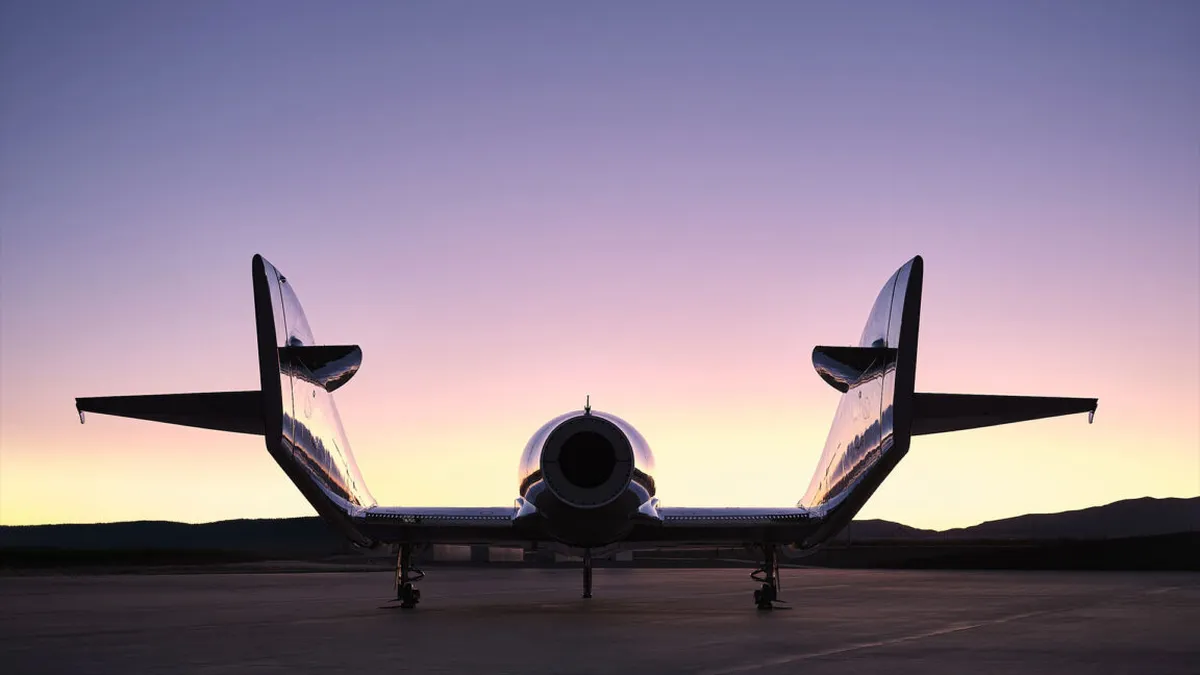
As the era of commercial space travel continues to evolve, Virgin Galactic is at the forefront, preparing to unveil its latest innovation: a new Delta-class spaceship designed for suborbital flights. To mark this significant milestone, the company is turning to the public for a crucial task—naming the spaceship. This initiative is not only a marketing strategy but also a unique opportunity for space enthusiasts and the general public to engage directly with a brand that aims to democratize access to space.
Founded by British entrepreneur Richard Branson, Virgin Galactic has always positioned itself as a pioneer in commercial space travel. With the first flights of its SpaceShipTwo fleet drawing attention and excitement, the company is now ready to take its next big step. The naming contest, which runs until August 27, 2026, invites participants to choose between four finalist names: Horizon, Explorer, Ascend, and Apeiron. Each name carries significant meaning, reflecting the aspirations and dreams of not just the company, but of humanity's enduring quest to explore the cosmos.
The Delta-Class Spaceship: A New Era in Space Travel
The Delta-class spacecraft represent a significant advancement in Virgin Galactic's technology and operational capability. These new vehicles are set to replace the retired SpaceShipTwo, which made headlines when it carried Branson and 31 others on a series of suborbital flights that crossed the Kármán line—the internationally recognized boundary of space. The Delta-class ships will enhance flight frequency, with the potential to conduct up to eight missions per month compared to the previous fleet's one mission per month.
Innovative Design and Features
The new Delta-1 spaceship has undergone extensive structural assembly and is currently transitioning to a test and launch hangar in Arizona. This state-of-the-art spaceplane is designed to carry up to six passengers, featuring streamlined manufacturing and maintenance processes that support a higher flight rate. As Virgin Galactic looks toward commercial operations, the company anticipates that Delta-1 will enter service in February 2027, with flight tests commencing as soon as October 2026.
Public Participation: The Naming Contest Explained
The naming contest is a strategic move to engage the public and create a sense of community around Virgin Galactic's mission. By allowing individuals aged 13 and older to vote, the company aims to foster a connection between the public and the future of space travel. Participants can vote for one of the four selected names, each chosen from a pool of 276 submissions made by Virgin Galactic employees and Future Astronauts—those who have reserved seats for upcoming flights.
The four finalist names each carry distinct meanings:
- Horizon: Symbolizing the blue curve of Earth against the vastness of space.
- Explorer: Evoking the human spirit of discovery and adventure.
- Ascend: Representing the journey from Earth to the stars, ignited by the power of the rocket.
- Apeiron: An ancient Greek term meaning 'infinite,' reflecting the limitless possibilities at apogee.
Virgin Galactic encourages voters to share their choices with friends and family, amplifying excitement around the mission and the future of space exploration. In a statement announcing the contest, the company expressed, “This is a rare chance to help shape a piece of spaceflight history and to be part of a moment that will inspire future explorers for years to come.”

A Legacy of Names: The Significance of Naming Spaceships
The tradition of naming spacecraft carries a weight of history and symbolism. The first SpaceShipTwo was named Enterprise, honoring the legacy of NASA and various naval vessels, and serving as a reminder of the potential for private enterprise to contribute to space exploration. Unfortunately, the VSS Enterprise was lost during a test flight in 2014, which brought significant challenges for Virgin Galactic.
Following this tragedy, the company introduced the name Unity for its second ship, reflecting the overwhelming support received after the accident. This name symbolizes the unity needed in the face of adversity, a theme that resonates deeply within the space community. The subsequent ships, Imagine and Inspire, were also named with a focus on creativity and motivation, ultimately leading to the development of the Delta-class design.
What Lies Ahead: The Future of Commercial Space Travel
Virgin Galactic’s plans extend well beyond the naming of its Delta-class spaceship. The company is focused on expanding access to space and fostering a new generation of space enthusiasts. With the expected launch of Delta-1 and subsequent Delta-class ships, Virgin Galactic aims to create a sustainable model for commercial space travel.
As the aerospace industry continues to grow, the implications of commercial space travel are becoming increasingly apparent. Companies like Virgin Galactic not only provide a thrilling experience for paying customers but also contribute to scientific research, space tourism, and the potential for future colonization efforts. The Delta-class spaceships will serve as a platform for various missions, including research, education, and even space-based experiments.
Key Takeaways
- Virgin Galactic's new Delta-class spaceship is open for public naming until August 27, 2026.
- Four finalist names reflect themes of exploration and infinity: Horizon, Explorer, Ascend, and Apeiron.
- The Delta-class ships can conduct up to eight missions per month, significantly increasing flight capacity.
- Voting participation fosters community engagement and excitement around the future of space travel.
- Virgin Galactic aims to establish a sustainable model for commercial space travel with the Delta-class fleet.
Frequently Asked Questions
What is the Delta-class spaceship?
The Delta-class spaceship is Virgin Galactic's latest design, intended to carry up to six passengers on suborbital flights. It offers advanced capabilities compared to the previous SpaceShipTwo, including increased manufacturing efficiency and a higher flight rate, with the potential for up to eight missions per month.
How can I participate in the naming contest?
Anyone aged 13 and older can participate in the naming contest by voting for one of the four finalist names: Horizon, Explorer, Ascend, or Apeiron. Voting is open until August 27, 2026, and participants are encouraged to share their choices to increase awareness and excitement about the contest.
What is the significance of the names chosen for Virgin Galactic's spacecraft?
The names chosen for Virgin Galactic's spacecraft often reflect themes of exploration, unity, and the spirit of discovery. Each name carries historical and emotional weight, connecting the spacecraft to the broader narrative of humanity's quest to explore space and the shared aspirations of those involved in the journey.
When is the expected launch of the Delta-class spaceship?
The Delta-class spaceship, Delta-1, is anticipated to enter commercial service in February 2027, with flight tests set to begin in October 2026. This timeline marks a significant milestone in Virgin Galactic's efforts to expand its fleet and enhance access to space for future travelers.
Comments
Rocket Report: The Future of Launch Systems and Market Dynamics
Rocket Lab and Blue Origin are redefining flexibility in space launches amid growing demand. This article explores their strategies and the challenges faced by the industry.
Related articles




Popular in Cloud Computing
- SK Hynix's Historic $26.5 Billion IPO: A New Era for Memory Chips
- Kubernetes and the Future of Desktop Infrastructure: A Paradigm Shift
- Amazon Expands Partnership with Nvidia, Tripling GPU Orders Amid AI Demand Surge
- Elon Musk's Evolving Relationship with Anthropic: A New Era for AI Hosting
- Emerging Rocket Launches: A New Era for Space Exploration