Nvidia's Bold $500 Billion Strategy: A Double-Edged Sword for AI Infrastructure
Nvidia's ambitious plan to invest $500 billion in AI data centers through partnerships with major financial firms aims to reshape the market for aging GPUs, but it comes with significant risks.
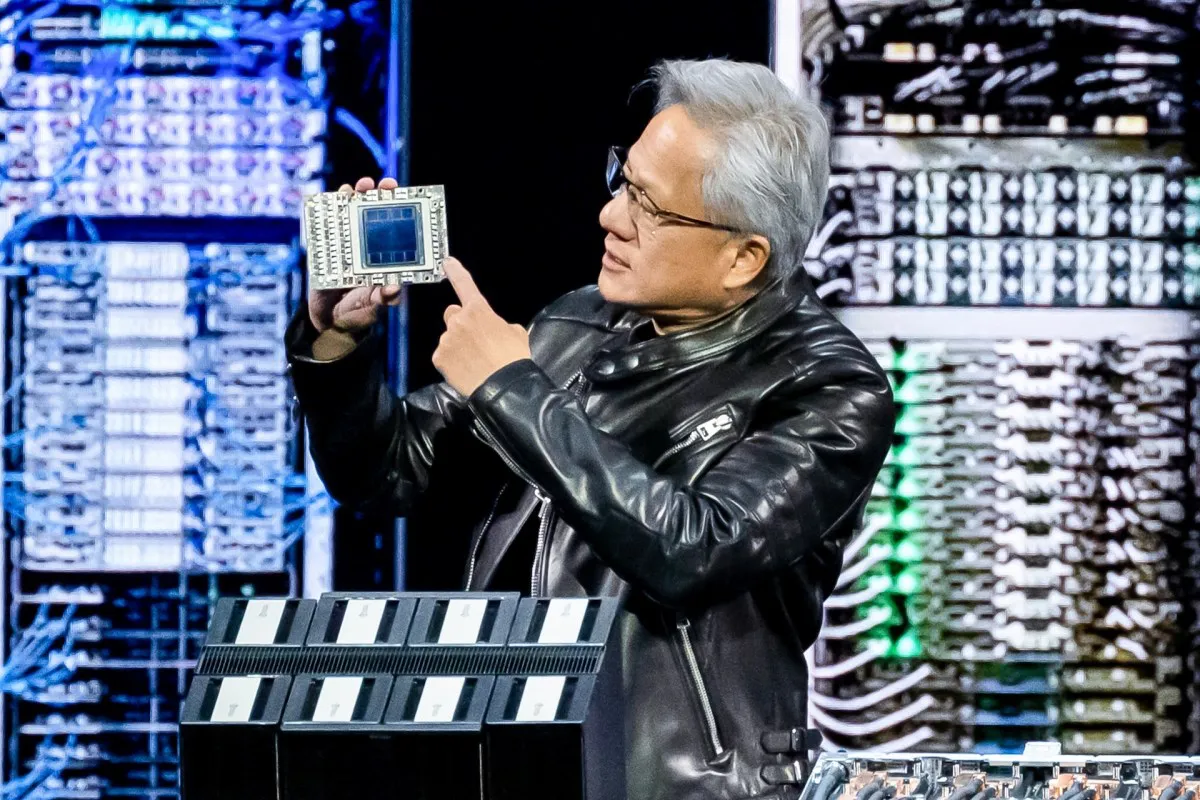
Nvidia has recently unveiled a groundbreaking initiative that could reshape the landscape of artificial intelligence (AI) infrastructure. The company is partnering with heavyweight financial institutions such as Apollo, BlackRock, Blackstone, Brookfield, Goldman Sachs, and KKR, who are ready to commit up to $500 billion to build AI data centers. While the staggering financial commitment has dazzled industry observers, the more intriguing aspect of this plan is Nvidia's strategy to create a secondary market for aging graphics processing units (GPUs). This dual focus on robust investment and the sustainability of older technology presents a complex picture filled with both promise and peril.
At the heart of this ambitious plan lies Nvidia's willingness to guarantee that the GPUs used as collateral in these financial deals will retain their value. This innovative approach aims to create a safety net for investors, mitigating concerns over the depreciation of aging hardware. Nvidia's CEO, Jensen Huang, has publicly addressed potential fears regarding this strategy on social media and business news platforms, asserting that the company's risk exposure will be managed effectively. However, the underlying risks associated with this initiative cannot be overlooked, especially given the volatile nature of the AI market.

Nvidia's Strategy Explained
The centerpiece of Nvidia's plan is the establishment of a robust ecosystem surrounding the use of aging GPUs. By committing to cover up to 25% of the value difference should these chips depreciate, Nvidia aims to reassure lenders and investors that their investments will not be compromised. This is particularly crucial in an era where AI demand is soaring, but the long-term sustainability of this demand remains uncertain.
The Financial Maneuvering
Nvidia's financial model has drawn comparisons to the infamous practices of Lucent Technologies during the dot-com bubble, where the company faced significant backlash for lending money to customers purchasing its products. However, Huang counters this narrative by emphasizing that Nvidia is not solely responsible for the financial burden; rather, it is leveraging institutional capital from various investors to mitigate risk. This distinction is vital, as it reflects a more collaborative approach to funding AI infrastructure development.

The Risks Involved
With great ambition comes great risk, and Nvidia's plan is no exception. One of the most significant concerns is what financial experts term "wrong way risk," where Nvidia's obligations could increase as market demand for AI technology diminishes. In this scenario, the company's revenues could take a hit, creating a detrimental feedback loop. Huang's vision of AI as a long-term investment infrastructure can only hold true if the current surge in demand continues unabated.
The Potential Market Shift
There are real concerns that the current AI boom may plateau sooner than anticipated. Companies like Oracle and Google have already incurred significant debt while trying to scale their AI capabilities, and Meta has faced challenges in cash flow management. With industry leaders like Microsoft expressing skepticism about the longevity of current trends in AI, there is a growing fear that the market could witness a contraction akin to that experienced by the railroad industry in the late 19th century.
Building a Sustainable Ecosystem
Despite the risks, Nvidia’s strategy could foster a more sustainable ecosystem for AI hardware utilization. By promoting an environment where used GPUs are valued and traded, Nvidia could enhance the lifecycle of its products. The notion that older technology can find new life in different applications is appealing, especially as startups and enterprises look for cost-effective solutions.
Transforming AI Infrastructure
Huang likens Nvidia's AI servers to crucial infrastructure like railroads or airlines—assets that can adapt and serve various needs over time. This perspective suggests that as AI requirements evolve, Nvidia's hardware could remain relevant, thus preserving its market value. The potential for a broader array of hardware options tailored to specific AI tasks could also democratize access to advanced technologies, allowing smaller players to compete alongside industry giants.
Key Takeaways
- Nvidia is partnering with major financial firms for a $500 billion investment in AI data centers.
- The company is creating a secondary market for aging GPUs, enhancing their value retention.
- CEO Jensen Huang emphasizes risk management to counter fears of market volatility.
- The initiative seeks to foster a sustainable ecosystem for AI hardware usage across various sectors.
- Potential risks include market demand decline, which could adversely affect Nvidia's revenues.
Frequently Asked Questions
What is Nvidia's $500 billion plan about?
Nvidia's $500 billion plan involves collaborating with major financial institutions to fund the establishment of AI data centers. This initiative aims to create a sustainable market for aging GPUs by ensuring they retain value, thereby mitigating risks for investors and lenders.
How does Nvidia plan to manage risks associated with this investment?
Nvidia intends to manage risks by guaranteeing that GPUs used as collateral will maintain a certain value. Specifically, the company has pledged to cover up to 25% of any value loss, thereby protecting both investors and its market position from potential downturns.
What are the potential challenges of this strategy?
The primary challenge is the possibility of market demand for AI technologies diminishing over time. If companies scale back their AI investments or if new technologies emerge, the value of aging GPUs could decline significantly, leading to financial strain on Nvidia and its partners.
How could this initiative impact the broader tech industry?
If successful, Nvidia's strategy could lead to a more resilient market for AI hardware, encouraging innovation and investment in older technologies. This could provide smaller companies with access to advanced AI capabilities, fostering competition and driving down costs in the industry.
Comments
Rocket Report: The Future of Launch Systems and Market Dynamics
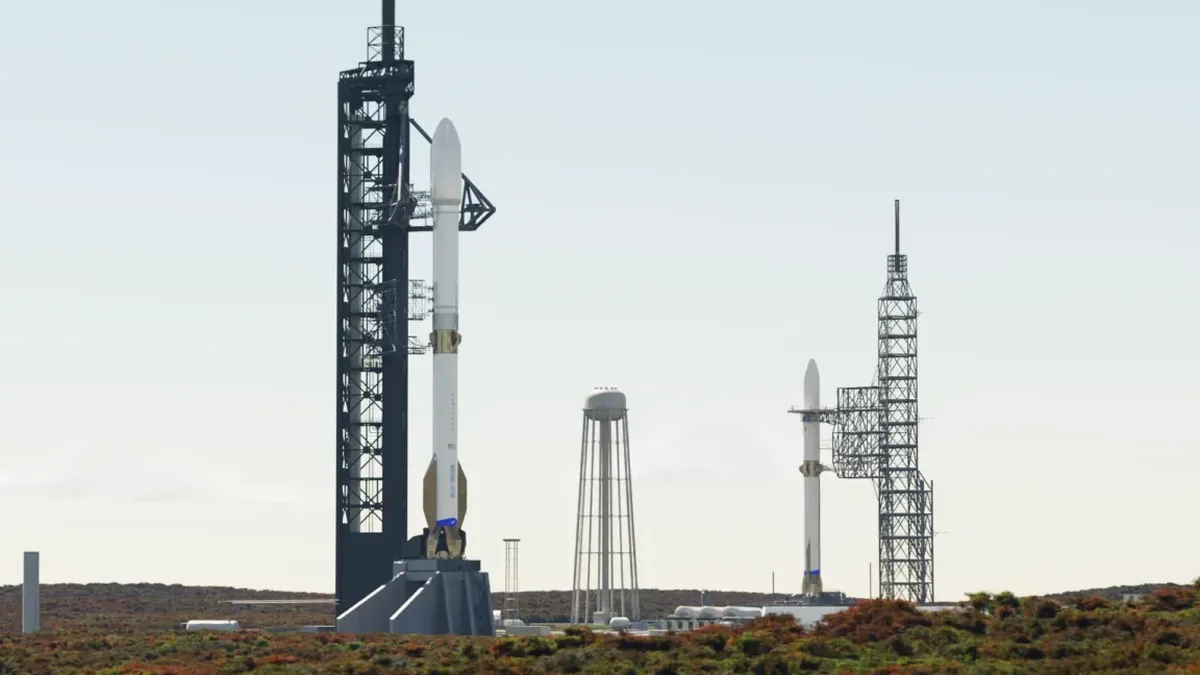
Rocket Lab and Blue Origin are redefining flexibility in space launches amid growing demand. This article explores their strategies and the challenges faced by the industry.
Related articles




Popular in Cloud Computing
- SK Hynix's Historic $26.5 Billion IPO: A New Era for Memory Chips
- Kubernetes and the Future of Desktop Infrastructure: A Paradigm Shift
- Amazon Expands Partnership with Nvidia, Tripling GPU Orders Amid AI Demand Surge
- Elon Musk's Evolving Relationship with Anthropic: A New Era for AI Hosting
- Emerging Rocket Launches: A New Era for Space Exploration