The EV Retreat: Discontinuations and Market Dynamics in 2026
2026 has seen significant drop-offs in electric vehicle offerings in the U.S. market, with major brands halting production of several models. This article explores the reasons behind these withdrawals and the implications for consumers and the industry.
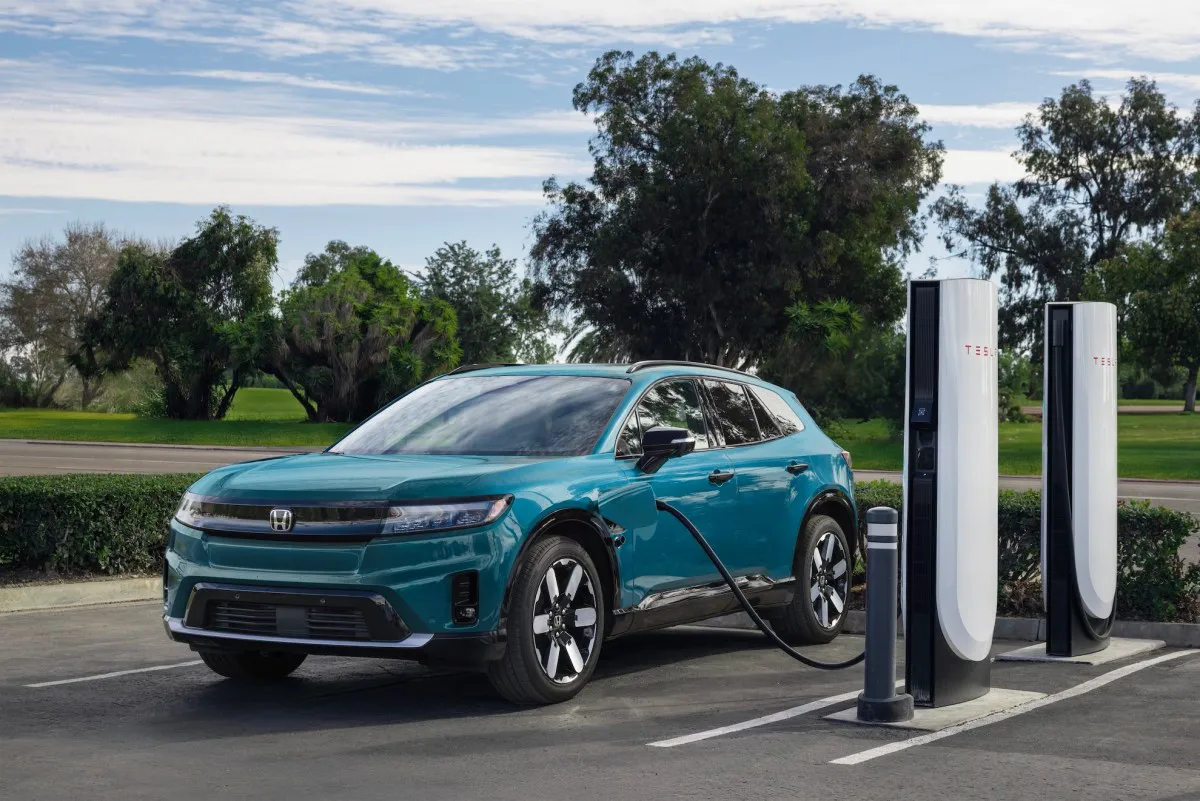
The electric vehicle (EV) market in the United States, once hailed as the frontier of automotive innovation, is experiencing a notable retraction in 2026. With the recent news of Honda officially discontinuing its Prologue model, the last all-electric vehicle in its U.S. lineup, the question arises: what is driving this trend of EV withdrawals? A confluence of market dynamics, regulatory pressures, and shifting consumer preferences is reshaping the EV landscape, leaving many established players reconsidering their strategies.
While EV sales globally continue to surge, the U.S. market has faced setbacks, notably influenced by the end of the $7,500 federal tax credit for electric vehicles. This has not only affected consumer purchasing behavior but also prompted manufacturers to reevaluate their offerings. According to Kelley Blue Book and Cox Automotive, EV sales in the second quarter of 2026 totaled 247,226 units, representing approximately 5.8% of the total vehicle market. Despite a slight uptick from the previous quarter, sales remain significantly lower than last year's figures, showcasing a market that is both evolving and, in some respects, contracting.
The Factors Behind EV Discontinuations
The landscape of EV production is shaped by various factors that contribute to the discontinuation of models from major manufacturers. Here are some key reasons:
- End of Federal Tax Credit: The expiration of the federal tax incentive has made EVs less appealing to price-sensitive consumers, leading to a decline in sales.
- Tariffs and Trade Policies: Tariffs on imported vehicles have made it economically unviable for some manufacturers to sell certain models in the U.S.
- Competition from Traditional Automakers: Increased competition from established car manufacturers transitioning to electric models has intensified market pressure.
- Shifts in Consumer Preferences: Growing consumer interest in hybrid and alternative fuel vehicles may be diverting attention from purely electric options.
- Company Restructuring: Many companies are reassessing their EV strategies, often leading to the cancellation of less profitable or low-demand models.

A Closer Look at Discontinued Models
The following brands have recently announced or confirmed the discontinuation of key electric models in the U.S. market:
Honda’s Prologue and Afeela
After a promising start, Honda’s Prologue has officially been axed. Initially developed in partnership with General Motors, the Prologue aimed to capture a share of the growing EV market but struggled to maintain momentum following the tax credit's expiration. Honda also recently halted the development of its Afeela brand, which had been highly publicized but never reached production.
Hyundai's Ioniq 6
Hyundai announced it would no longer sell the Ioniq 6 in the U.S., pivoting to focus on models produced domestically like the Ioniq 5 and Ioniq 9. This decision reflects a strategic shift to mitigate tariff impacts while ensuring profitability.
Nissan's Ariya
Once positioned as Nissan's flagship electric SUV, the Ariya has been shelved for the U.S. market following underwhelming demand and strategic realignment within the company.
Polestar's Withdrawal
Polestar has found itself in a precarious position due to U.S. bans on Chinese-connected technology. The company has halted new sales but will support existing customers, highlighting the complex geopolitical factors affecting the automotive industry.
Market Implications and Consumer Impact
The retreat of these brands from the U.S. EV market holds significant implications for both consumers and the automotive landscape. As options dwindle, consumers may face limited choices, raising concerns over availability and competition:
- Reduced Competition: Fewer models on the market can lead to less competitive pricing, which may stifle innovation.
- Consumer Confidence: The withdrawal of major players could undermine consumer confidence in the reliability and viability of electric vehicles.
- Future Innovation: The reductions in model offerings may also slow the pace of technological advancement as automakers focus resources on fewer models.
A Glimmer of Hope: New Entries and Market Recovery
Despite the challenges, there are signals of recovery in the EV market. New entrants like the Rivian R2 are poised to capture consumer interest, and automakers are beginning to revisit their strategies in light of changing market conditions. Slow but steady growth in sales, particularly in the second quarter of 2026, indicates a potential rebound.
Moreover, companies like Tesla are pivoting towards autonomous technology and AI-driven innovations, suggesting a shift in focus that could redefine the EV landscape in the coming years. As traditional models phase out, new technologies may take center stage, potentially revitalizing consumer interest and engagement.
Key Takeaways
- Major automakers are discontinuing several EV models in the U.S. due to a combination of market dynamics and strategic realignments.
- The end of the federal tax credit has significantly impacted consumer purchasing decisions, leading to reduced sales and model availability.
- Geopolitical factors, including tariffs and technology bans, are influencing manufacturers' ability to sell and produce EVs in the U.S.
- Despite current setbacks, there are new models and technologies entering the market, indicating a potential recovery.
Frequently Asked Questions
What caused the recent wave of EV discontinuations in the U.S.?
The recent wave of EV discontinuations is primarily attributed to the end of the federal tax credit, which has diminished consumer demand. Additionally, tariffs on imported vehicles and heightened competition from traditional automakers have put financial pressure on manufacturers. Companies are reassessing their strategies, leading to the cancellation of models that no longer align with their business goals.
How will these discontinuations affect the future of electric vehicles?
The discontinuation of various models may lead to decreased competition in the EV market, which could stifle innovation and result in higher prices for consumers. However, as some manufacturers pivot towards new technologies and models, it is possible that the market will eventually stabilize and recover, potentially ushering in a new era of electric mobility.
Are there any new electric vehicles entering the market?
Yes, despite some manufacturers withdrawing models, new entrants are making their way into the U.S. EV market. One notable example is the Rivian R2, which aims to attract consumers with its innovative features. Automakers are also focusing on developing advanced technologies, such as autonomous vehicles, which may reshape the landscape in the near future.
What should consumers consider when looking for electric vehicles?
Consumers should stay informed about the latest developments in the EV market, including new models and technologies as they become available. It is crucial to consider factors such as vehicle availability, pricing, and incentives when making purchasing decisions. Additionally, consumers should be aware of potential shifts in the market landscape that may affect their choices in the coming years.
Comments
How EV Charging Has Transformed: A Road Trip Experience
A recent 600-mile road trip highlights the significant improvements in EV charging infrastructure, alleviating concerns for potential electric vehicle buyers. With better reliability and accessibility, charging isn't the hassle it once was.
Related articles
Popular in Guides
- Boomers Lead the Charge in Alcohol Abstinence: Insights from New Research
- Understanding the Physics of Silly Sprinklers and Feynman's Reverse Sprinkler Puzzle
- The Coming Air-Conditioning Revolution in Europe: A Necessity or a Luxury?
- Hobbits of Flores: Scavengers or Skilled Hunters?
- US Citizens Infected with Ebola: A Shifting Response Landscape