How EV Charging Has Transformed: A Road Trip Experience
A recent 600-mile road trip highlights the significant improvements in EV charging infrastructure, alleviating concerns for potential electric vehicle buyers. With better reliability and accessibility, charging isn't the hassle it once was.
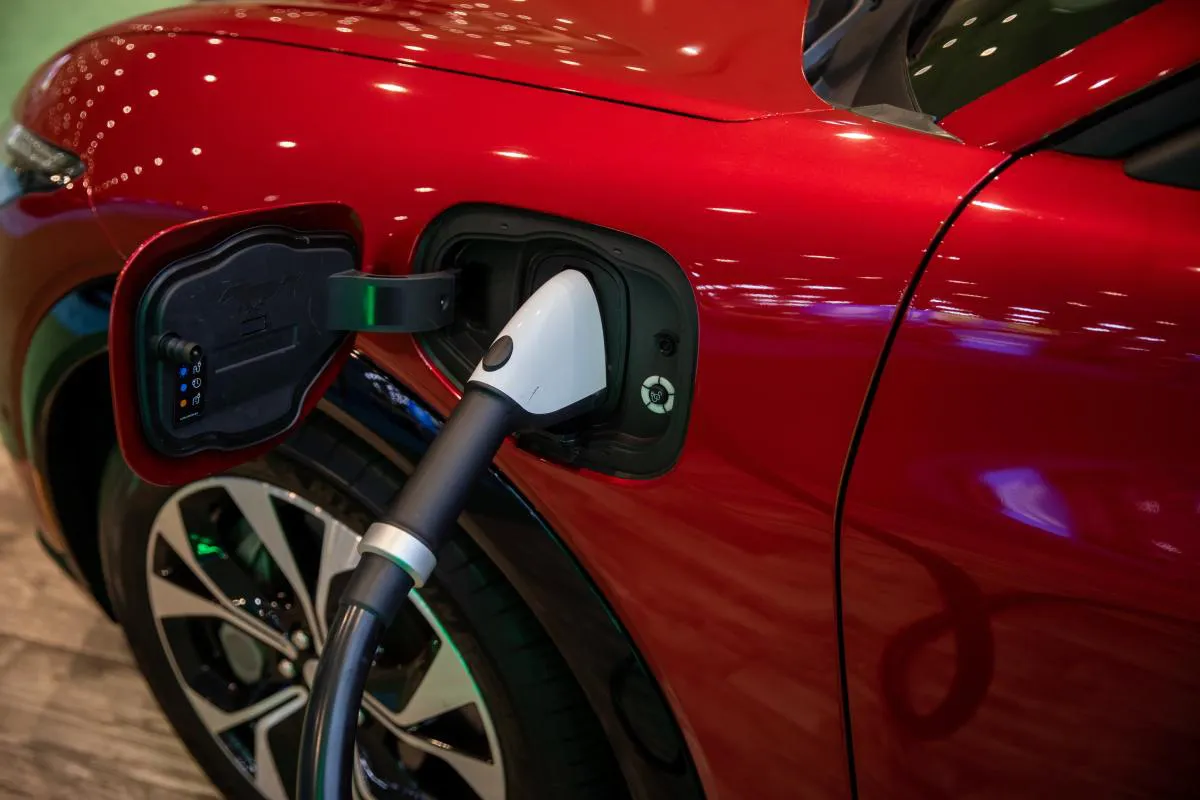
The landscape of electric vehicle (EV) charging has undergone a remarkable transformation in recent years, shattering the long-standing perception that charging an EV is an arduous and time-consuming endeavor. A recent 600-mile road trip across the northeastern United States serves as a powerful testament to this evolution. With improved infrastructure, enhanced reliability, and user-friendly technology, the once-daunting task of finding a charging station has become a seamless experience for drivers. This article explores the improvements in EV charging, the technologies that support them, and what this means for both current and prospective EV owners.
The Shift in EV Charging Perception
For many potential EV buyers, the fear of inadequate charging infrastructure remains a major barrier. According to a 2023 survey by AAA, over half of respondents cited public charging as a crucial concern when considering an electric vehicle. Historical issues with charging—such as unreliable stations, long wait times, and poor operational performance—have deterred potential buyers. However, a recent road trip taken in 2026 provided firsthand evidence that the tide is turning.
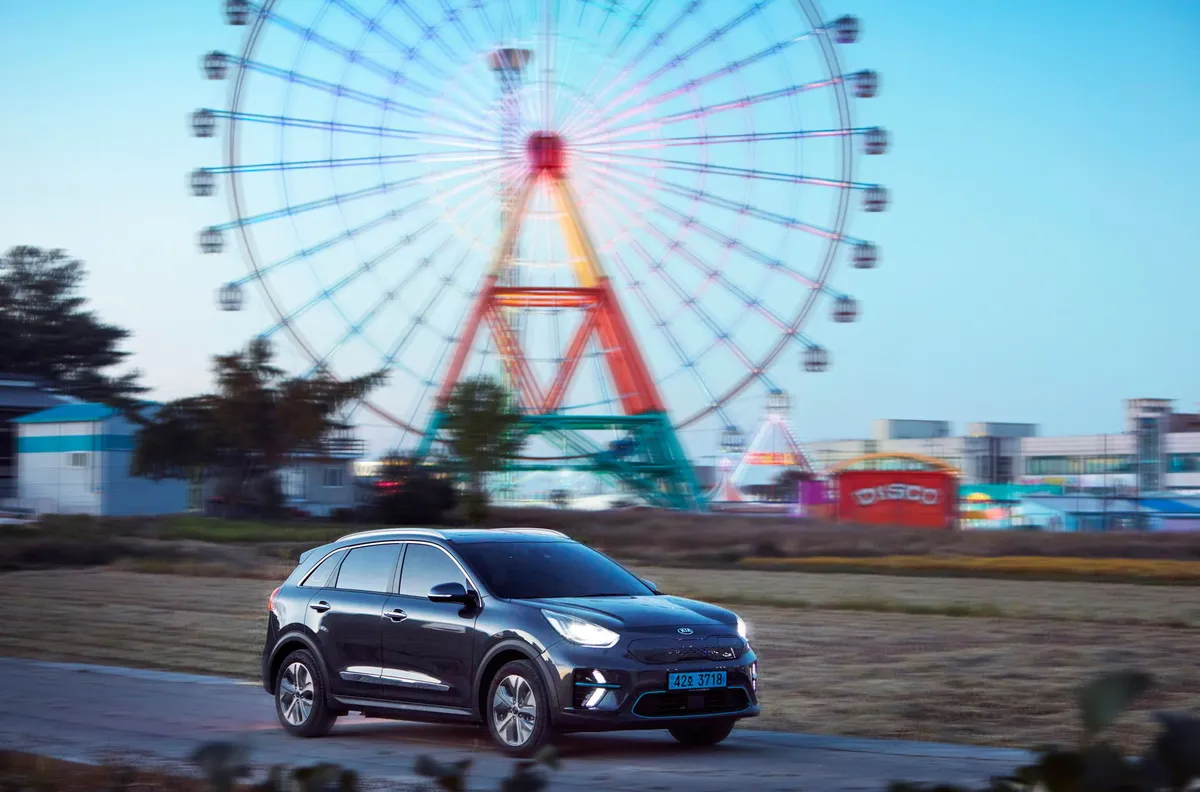
During this trip, I traveled from the Boston area to Montreal in an Audi e-tron, which boasts a range of approximately 220 miles per charge. While the original plan was to use a Kia EV9 capable of 300 miles, unexpected repairs required a change. Despite the e-tron's shorter range, the journey was surprisingly smooth, thanks in large part to advancements in charging infrastructure.
Improved Charging Networks: A Closer Look
The road trip began with the aid of an app called A Better Route Planner (ABRP), which optimizes charging stops based on various factors like wind conditions, temperature, vehicle specifications, and battery health. This comprehensive approach ensures that drivers can plan their routes effectively, minimizing the hassle of charging interruptions.
Finding the Right Charger
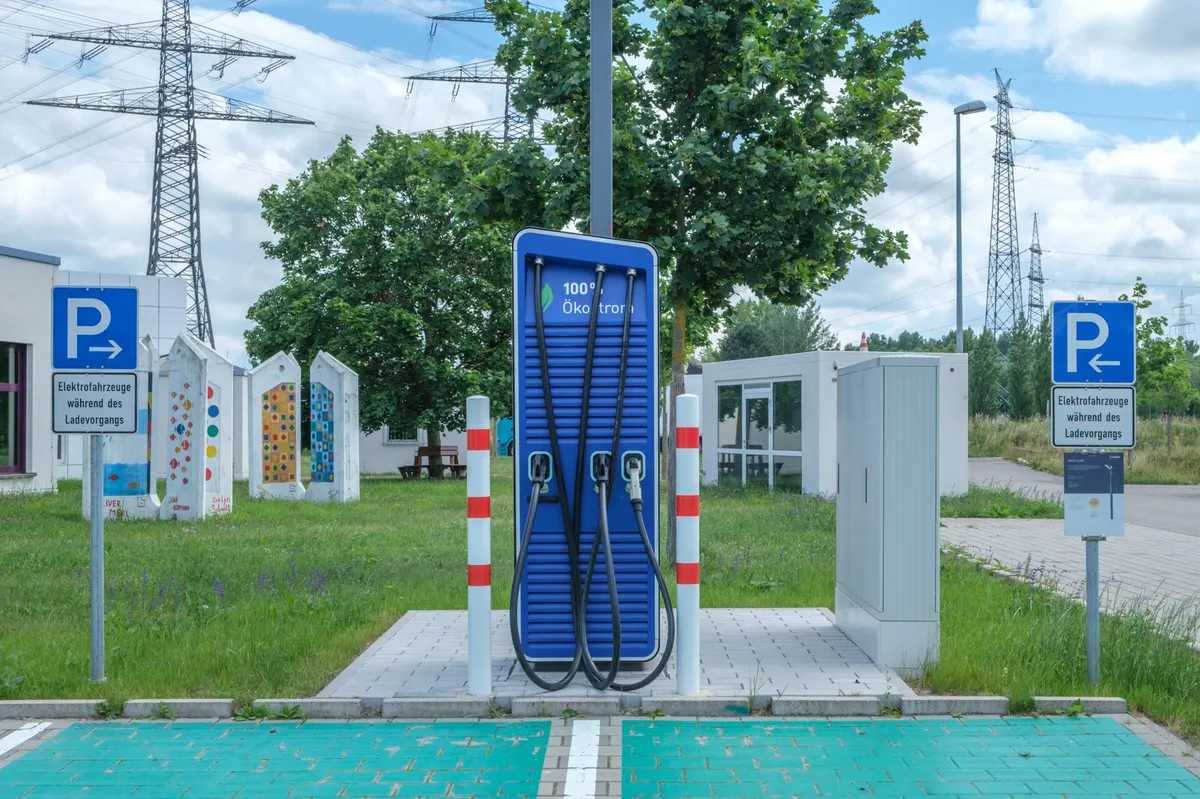
The first charging stop was at a Rivian station in Lebanon, New Hampshire. This location showcased the improvements in charging infrastructure: six operational 300-kilowatt chargers, no lines, and convenient access to food options. The user experience at this station further highlighted the progress made—within moments of plugging in, the charger delivered over 140 kilowatts, hitting the maximum charging capacity of the e-tron.
A Contrast to Past Experiences
In stark contrast, experiences from just three years prior, during a similar road trip, underscore how far we have come. Back in 2023, charging networks were riddled with issues, forcing drivers to navigate unreliable stations, malfunctioning chargers, and a lack of operational support. A failed charging attempt could lead to hours of frustration, with drivers frequently needing to call customer service for assistance.
Data-Driven Improvements
The positive experiences from the 2026 trip align with broader trends in EV charging reliability. Recent data indicates that the number of DC fast chargers in the United States has skyrocketed from approximately 32,000 in 2023 to more than double that today. As charging networks expand, the reliability index has also improved dramatically, with metrics such as successful charging sessions and station downtime showing an increase from 85% to the mid-90s.
Competitive Landscape
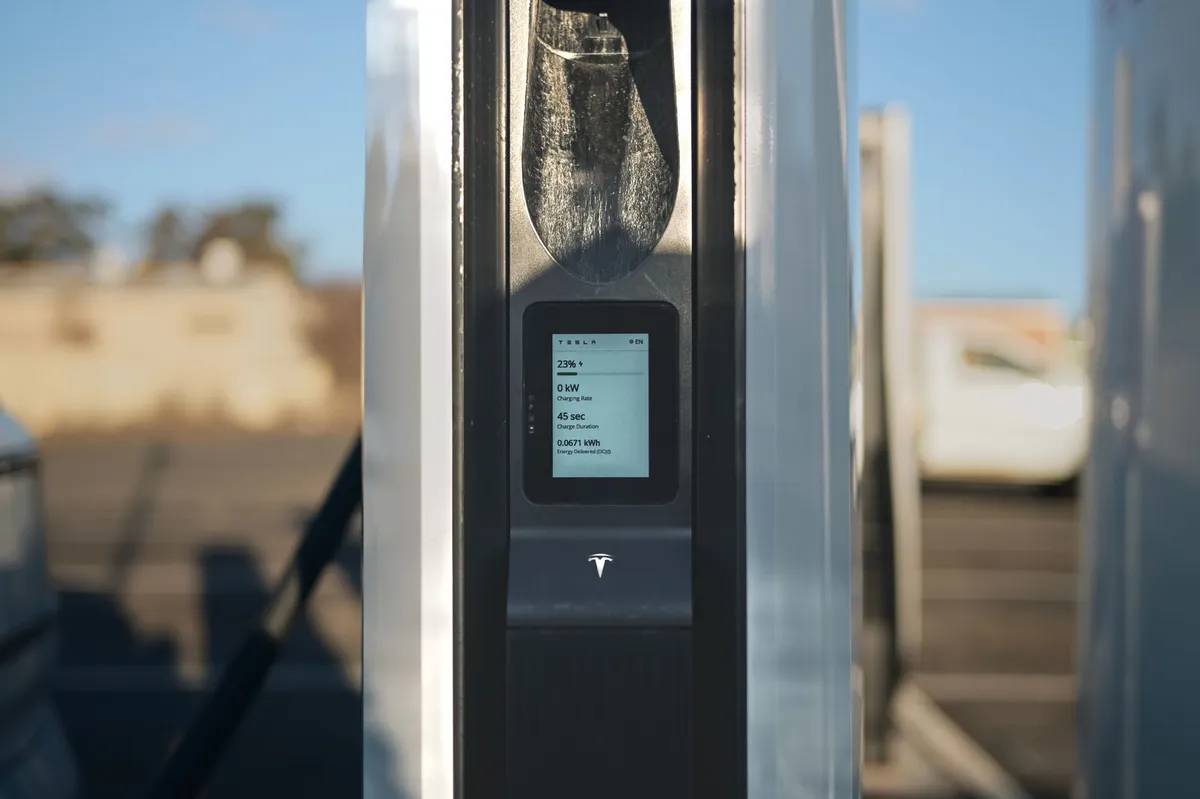
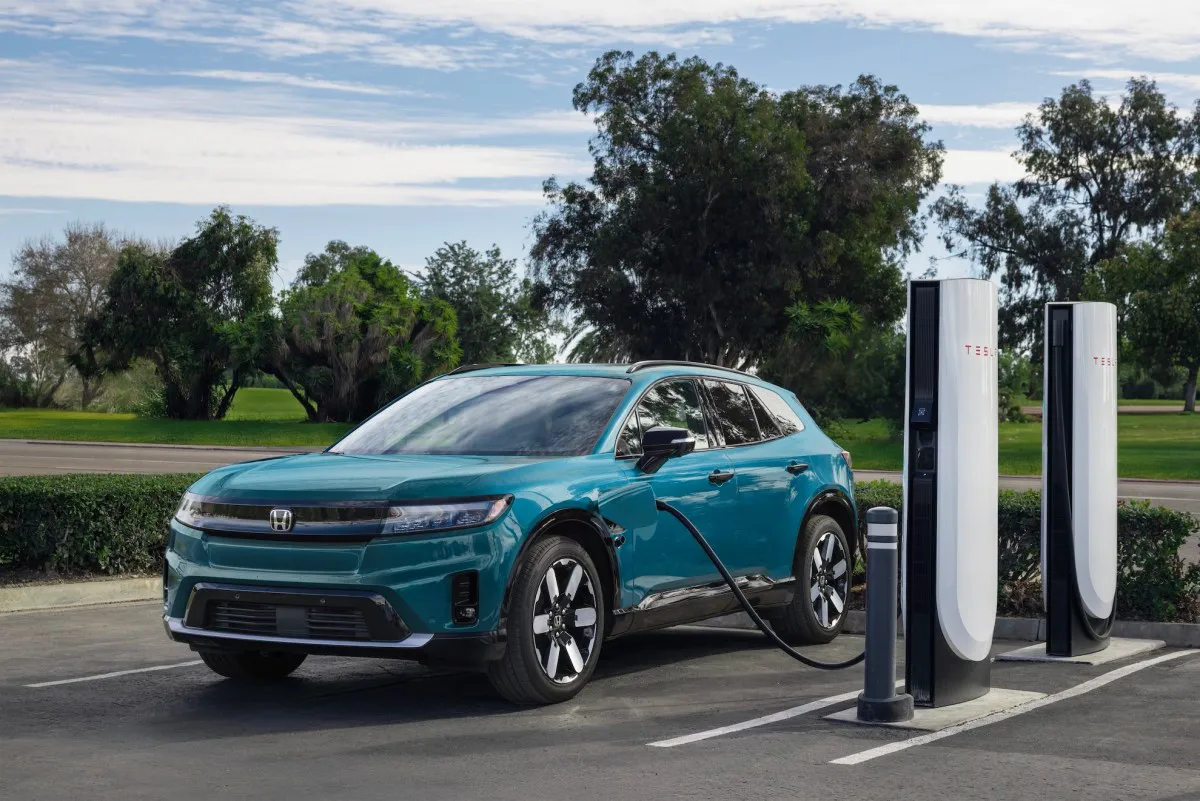
The rise of competition among charging networks has played a pivotal role in enhancing the charging experience. Tesla, which historically restricted access to its charging stations, has opened its network to other EV drivers, providing a significant boost to public charging availability. As more charging stations become accessible and operational efficiency improves, the user experience continues to evolve positively.
Lessons from the Road
While the charging experience on this trip was largely positive, it wasn't without its hiccups. An encounter with a Circuit Électrique station just outside Montreal highlighted the need for ongoing improvements. Despite a smooth session once the app was downloaded and loaded with funds, the initial card reader malfunction was a reminder that not all aspects of the infrastructure are perfect.
Combining Convenience with Charging
Despite the minor inconvenience, each charging session on the trip lasted around 20 minutes, effectively integrated into lunch and rest stops. This strategic approach meant that charging was never a burden. By the end of the trip, the total time spent charging was comparable to the wait at border control when returning to the United States. Such efficiency marks a significant shift from previous experiences where charging could be a stressful and time-consuming ordeal.
Key Takeaways
- EV Charging Infrastructure is Evolving: Significant improvements in charging networks have made EV ownership more appealing.
- Reliability is Key: Charging reliability has increased, with success rates now in the mid-90s.
- App Technology Enhances Experience: Route planning apps like ABRP help optimize charging stops effectively.
- Increased Competition Benefits Drivers: More players in the market lead to better services and improved charging experiences.
- Time Management is Essential: Combining charging with breaks can transform the user experience from a hassle to a convenience.
Frequently Asked Questions
How has the EV charging experience changed in recent years?
The EV charging experience has improved significantly due to advancements in technology, increased competition among charging networks, and a substantial expansion of the charging infrastructure. Today's drivers can expect a higher reliability rate, fewer malfunctions, and a seamless user experience compared to just a few years ago.
What role do apps play in optimizing charging stops?
Apps like A Better Route Planner (ABRP) utilize real-time data and algorithms to optimize charging routes based on various factors. This technology helps drivers avoid unreliable chargers and plan their journeys more efficiently, ensuring a smoother travel experience.
Are there any remaining challenges with EV charging?
While progress has been made, challenges still exist, including occasional equipment malfunctions and the need for more widespread charging stations in remote areas. However, ongoing investments in infrastructure and technology are expected to address these issues over time.
What should potential EV buyers know before purchasing?
Prospective EV buyers should research the availability of charging stations in their area and along their common routes. Understanding the reliability and accessibility of charging networks can alleviate concerns and enhance the overall experience of owning an electric vehicle.
Comments
The EV Retreat: Discontinuations and Market Dynamics in 2026
2026 has seen significant drop-offs in electric vehicle offerings in the U.S. market, with major brands halting production of several models. This article explores the reasons behind these withdrawals and the implications for consumers and the industry.
Related articles
Popular in Guides
- Boomers Lead the Charge in Alcohol Abstinence: Insights from New Research
- Understanding the Physics of Silly Sprinklers and Feynman's Reverse Sprinkler Puzzle
- Mark Zuckerberg Acquires Strancally Castle: A Look at His New Irish Estate
- Last Chance to Score Discounts for TechCrunch Disrupt 2026
- The Coming Air-Conditioning Revolution in Europe: A Necessity or a Luxury?