The Trebuchet's Only Known Casualty: Unraveling a Medieval Mystery
A remarkable discovery at Stirling Castle reveals the only known victim of a trebuchet, shedding light on the brutality of medieval warfare. This article explores the implications of this find and the historical context surrounding it.
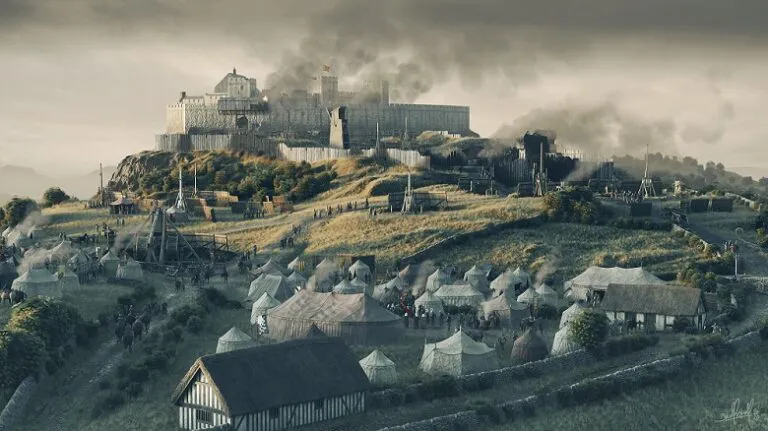
The world of medieval warfare is often shrouded in tales of heroism, strategic brilliance, and brutal battles. However, a recent archaeological discovery at Stirling Castle has introduced a shocking reality of that era — the gruesome fate of a soldier who fell victim to a trebuchet, a machine designed for siege warfare. Dubbed Skeleton 150 by researchers, this unfortunate defender of Stirling Castle offers a sobering glimpse into the violent realities of medieval siege tactics and the kind of destruction that these machines could unleash.
This revelation comes from the meticulous work of Jo Buckberry, a paleopathologist from the University of Bradford, who presented her findings at the 25th European Meeting of the Paleopathology Association. With this discovery, Skeleton 150 is now recognized as the only known fatality attributed to a trebuchet, a siege weapon that played a crucial role in medieval conflicts. The implications of this finding extend beyond the individual tragedy, providing insight into the broader context of warfare during the Scottish Wars of Independence.
The Discovery of Skeleton 150
Skeleton 150 was unearthed in 1997 during renovations at Stirling Castle, alongside eight other individuals in a burial site beneath the castle's medieval chapel. Initial examinations revealed that five of the deceased had suffered violent deaths, indicative of the turbulent period in which they lived. However, it was Skeleton 150 who captured the attention of researchers due to the extensive damage to his remains.
A Gruesome Fate
Upon analysis, it was determined that Skeleton 150 bore the weight of a substantial projectile, as evidenced by the catastrophic injuries sustained. His skull was fractured in 61 distinct places, and his ribcage displayed over 60 additional fractures. The injuries were not postmortem; they occurred shortly before or during his death, suggesting a violent impact from a large, fast-moving object. Buckberry's analysis concluded that the only plausible cause of such destruction was a boulder propelled by a trebuchet, striking the defender at speeds estimated to be between 200 and 300 kilometers per hour.
The Mechanics of Trebuchets
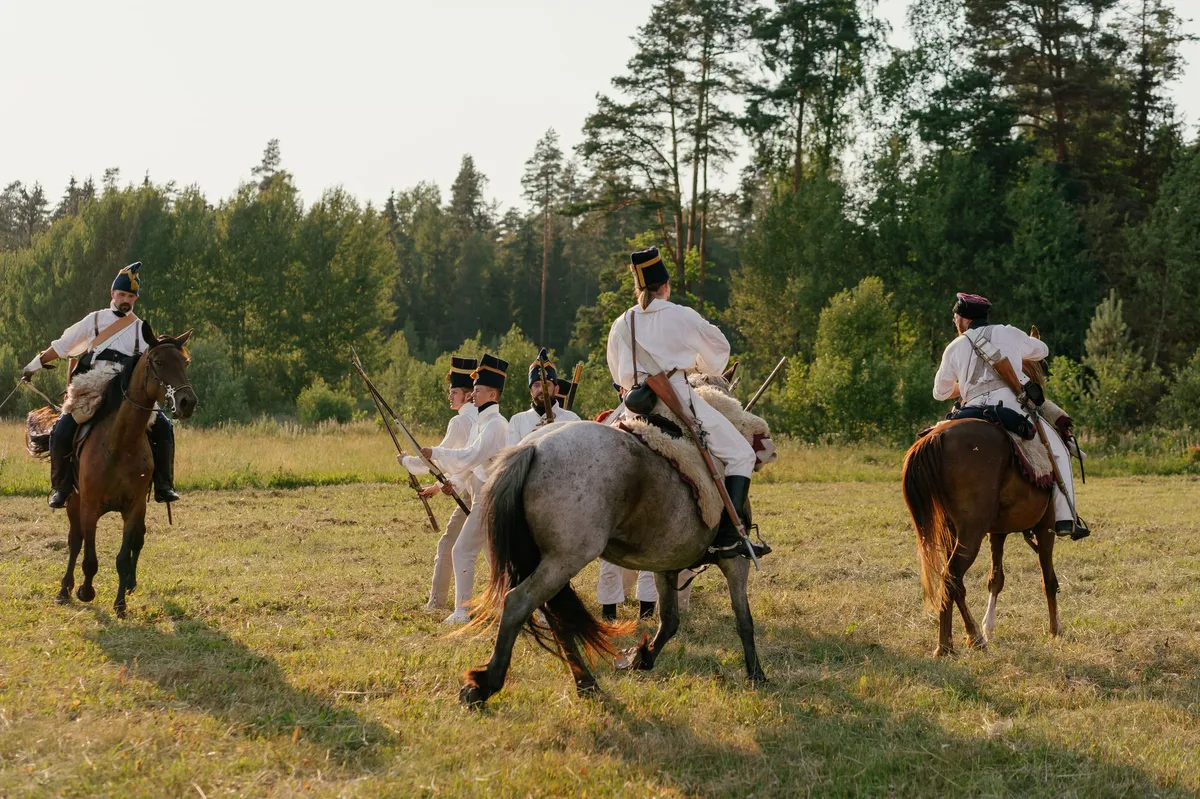
Understanding the physics behind trebuchets is essential to grasp the sheer power they wielded on the battlefield. A trebuchet operates much like a giant seesaw, utilizing a counterweight to hurl projectiles with devastating effect. Typically, a trebuchet could launch a 90-kilogram stone over considerable distances, with the potential to cause chaos among enemy ranks or breach fortified walls.
During the siege of Stirling Castle in 1304, King Edward I of England deployed a formidable array of siege engines, including the infamous War Wolf, a massive trebuchet that epitomized the height of medieval siege technology. The design of these machines allowed for the delivery of high-energy impacts that could incapacitate defenders, making them a cornerstone of siege warfare.
Understanding the Impact
The energy released upon impact from a trebuchet could exceed 200 kilojoules, enough to cause severe trauma to any human target. The nature of Skeleton 150's injuries, reminiscent of those seen in severe vehicular accidents, underscores the lethal potential of these weapons. Buckberry remarked on the lack of comparable forensic cases, emphasizing the unique nature of this discovery in the historical record.
The Historical Context of the Siege
The siege during which Skeleton 150 met his fate was part of the broader Scottish Wars of Independence, a tumultuous period marked by fierce resistance against English rule. In 1304, Stirling Castle was a strategic stronghold, pivotal for controlling access to Edinburgh. The Scots, led by Sir William Oliphant, faced overwhelming odds as Edward I sought to crush Scottish defiance once and for all.
Edward's campaign against the Scots was not solely military; it was deeply political. By demanding troops, horses, and materials from the Scottish nobles, he sought to demonstrate his dominance over the region. The siege lasted three grueling months, with constant bombardment from multiple siege engines, leading to significant casualties among the defenders.
A Deeper Look at Skeleton 150
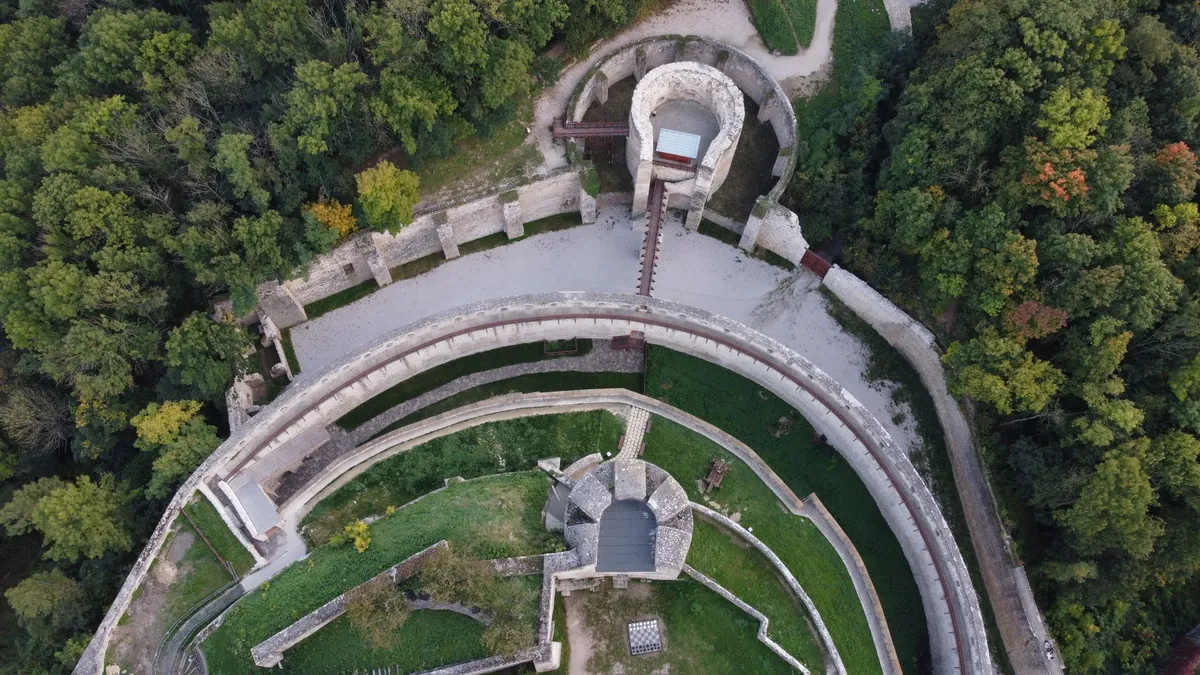
Research into Skeleton 150's identity paints a picture of a young Scottish defender caught in a brutal conflict. While exact details about his life remain elusive, his injuries suggest he was actively engaged in defending the castle during the siege. The presence of other casualties in the chapel's burial site indicates that many suffered similar fates during this harrowing period.
Interestingly, the site also contained the remains of Sir John de Stricheley, an English knight who died in 1341. This juxtaposition of Scottish and English remains speaks to the chaotic and violent nature of the era, where allegiances shifted, and many lives were lost in the struggle for control.
Key Takeaways
- Skeleton 150 is the only known casualty of a trebuchet, highlighting the dangers of medieval warfare.
- Trebuchets operated using physics similar to a seesaw, capable of launching heavy projectiles at lethal speeds.
- The siege of Stirling Castle in 1304 was a pivotal moment in the Scottish Wars of Independence, with significant casualties on both sides.
- The discovery of Skeleton 150 provides a unique forensic case, offering insights into medieval combat injuries.
- The injuries suffered by Skeleton 150 bear resemblance to those seen in modern vehicular accidents, illustrating the deadly effectiveness of siege engines.
Frequently Asked Questions
What is a trebuchet and how does it work?
A trebuchet is a type of siege engine that uses a counterweight to launch projectiles, typically large stones, at enemy fortifications. The mechanics involve a long arm pivoting on a fulcrum, where the counterweight drops to propel the projectile forward. This design allows for tremendous force and accuracy, making it a key weapon during medieval sieges.
What were the typical uses of trebuchets in medieval warfare?
Trebuchets were primarily designed to breach walls and fortifications rather than target individual soldiers. However, the chaos generated by their use often led to collateral damage among defenders. They served as psychological tools as well, instilling fear in the enemy while showcasing the attacking forces’ technological prowess.
What can Skeleton 150's injuries tell us about medieval warfare?
The catastrophic injuries sustained by Skeleton 150 provide critical insights into the nature of violence in medieval warfare. They illustrate the potential for severe trauma from siege engines, which were not primarily aimed at individuals but could still result in fatal injuries during battle. This case offers a unique forensic perspective on the types of injuries experienced in historical conflicts.
How do modern siege weapons compare to those used in medieval times?
Modern siege weapons, such as artillery, have evolved significantly from their medieval predecessors. While trebuchets relied on mechanical leverage, modern weapons utilize explosives and advanced technology for greater range and destructive capability. The principles of ballistics have improved, but the fundamental concept of using large projectiles to breach defenses remains a consistent theme throughout history.
Comments
Chasing Shadows: My Journey to Witness the 2026 Solar Eclipse in Spain
On August 12, 2026, I joined thousands in Spain to witness a total solar eclipse. This celestial phenomenon not only mesmerized viewers but also highlighted the significance of preparedness and the unique relationship between the Earth, Moon, and Sun.

Related articles

Popular in Guides
- Boomers Lead the Charge in Alcohol Abstinence: Insights from New Research
- Understanding the Physics of Silly Sprinklers and Feynman's Reverse Sprinkler Puzzle
- The Coming Air-Conditioning Revolution in Europe: A Necessity or a Luxury?
- Hobbits of Flores: Scavengers or Skilled Hunters?
- US Citizens Infected with Ebola: A Shifting Response Landscape