Chasing Shadows: My Journey to Witness the 2026 Solar Eclipse in Spain
On August 12, 2026, I joined thousands in Spain to witness a total solar eclipse. This celestial phenomenon not only mesmerized viewers but also highlighted the significance of preparedness and the unique relationship between the Earth, Moon, and Sun.
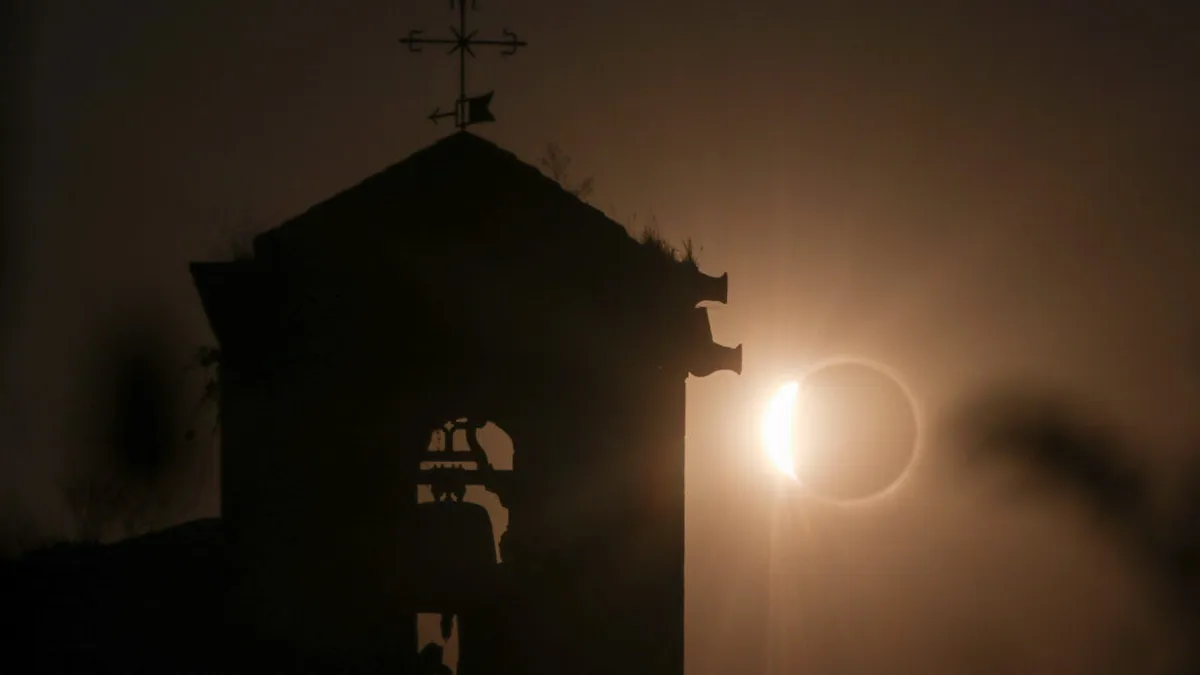
On a blazing August day in 2026, I found myself standing amidst the sprawling sunflower fields of Duratón, Spain, eagerly anticipating one of nature's most awe-inspiring spectacles: a total solar eclipse. As the Moon's shadow was set to race across the heart of Spain, I couldn’t help but feel a profound connection to the cosmos, a sensation that only a handful of people experience in their lifetime. This was my third total solar eclipse, yet the thrill was as palpable as it was during my first. With the celestial dance of the Earth, Moon, and Sun perfectly aligned, I was ready to witness a phenomenon that many dream of but few can see.
The rarity of total solar eclipses is a mathematical marvel, essentially a beautiful accident made possible by the sizes and distances of the celestial bodies involved. For those who missed the total solar eclipses that swept across the United States in 2017 and 2024, the 2026 eclipse was a golden opportunity to experience totality in an entirely different cultural and geographic setting.
Why Total Solar Eclipses Captivate Us
Total solar eclipses possess an almost magical quality, drawing amateur astronomers, photographers, and curious onlookers from around the globe. The last total solar eclipse visible from Spain occurred in 1999, making the 2026 event a highly anticipated occasion. For many, including myself, witnessing the eclipse is a rite of passage, an experience that transcends mere observation, evoking emotions that range from awe to existential reflection. The 2026 eclipse was particularly significant because it crossed a country rich in history, culture, and natural beauty.
The Science Behind the Eclipse
Understanding the mechanics behind a total solar eclipse enhances the experience. During a total solar eclipse, the Moon passes directly between the Earth and the Sun, blocking all direct sunlight and plunging the day into darkness for a brief period, usually lasting just a few minutes. This phenomenon occurs only during a new moon, when the three celestial bodies align perfectly.
Preparing for the Event
For those planning to witness a total solar eclipse, careful preparation is essential. Here are some tips for ensuring a successful viewing:
- Have Backup Plans: Weather can be unpredictable, and cloud cover can ruin an eclipse. It's advisable to have multiple viewing locations in mind.
- Arrive Early: Crowds can be overwhelming. Plan to arrive at your viewing spot early to secure a good location.
- Bring Proper Gear: Safe eclipse-viewing glasses are non-negotiable. Regular sunglasses do not provide adequate protection.
- Scout Ahead: If possible, visit your chosen location before the event to familiarize yourself with the surroundings.
- Prepare for the Crowd: Expect large gatherings of fellow eclipse chasers. Being socially prepared helps ease any frustration.
Experiencing Totality in Duratón
My journey took me to the countryside just north of Madrid, where I settled on Duratón, a picturesque locale that promised a breathtaking view. The area, dotted with ancient churches and vast fields, was a perfect backdrop for this celestial event. On the eve of the eclipse, I arrived with my friend, eager to explore our surroundings. The Church of Our Lady of the Assumption, built centuries ago, stood proudly against the skyline, its historical significance adding an enriching layer to our experience.
As the day approached, the atmosphere buzzed with excitement. Local residents, tourists, and fellow enthusiasts gathered at the church, armed with telescopes, cameras, and refreshments. The scene was a fusion of the ancient and the modern, as people from all walks of life came together to witness this extraordinary natural event.
The Moment of Totality
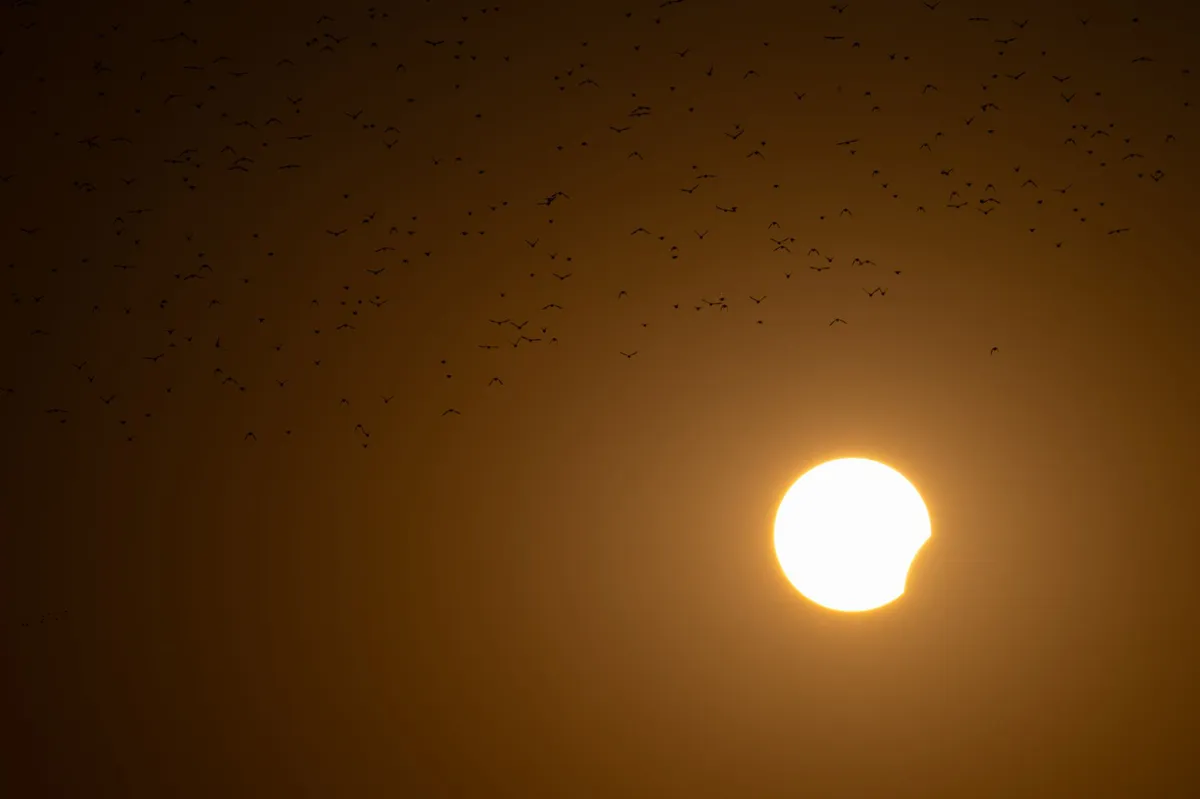
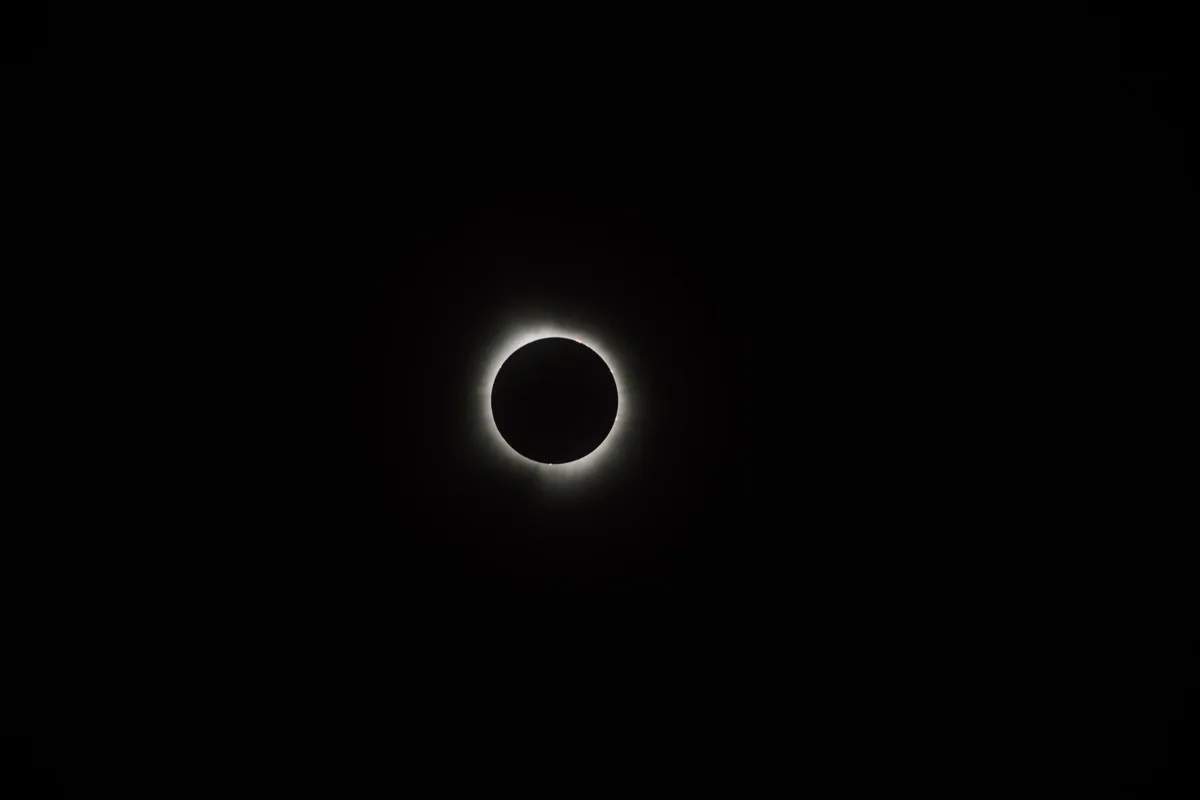
When the moment finally arrived, it was nothing short of breathtaking. As the Moon began to obscure the Sun, there was an undeniable shift in the atmosphere; the air cooled, and the shadows danced in peculiar patterns. Then, as the last sliver of sunlight disappeared, utter darkness enveloped us, and the solar corona emerged as a breathtaking halo around the silhouette of the Moon. The church bells rang out, and cheers erupted from the crowd, a collective celebration of our shared experience.
For those brief moments of totality, the world felt both magical and timeless. The ancient civilizations that once thrived in this region undoubtedly experienced similar sensations of awe and perhaps fear when faced with the sudden darkness. But for us, armed with scientific understanding, it was a moment of clarity—a beautiful reminder of our place in the cosmos.
The Legacy of the Experience
As the Sun re-emerged, casting light on the landscape once more, I felt a sense of gratitude wash over me. The experience of witnessing a total solar eclipse is one that stays with you long after the event concludes. It’s an opportunity to pause, reflect, and appreciate the wonders of the universe.
With the next total solar eclipse on the horizon for the United States in 2044, the anticipation already builds among avid eclipse chasers. However, the memories created in Duratón will last a lifetime, encapsulated not just in photographs but in the shared joy and excitement of experiencing one of nature's grand spectacles.

Key Takeaways
- Witnessing a total solar eclipse is a rare and profound experience that requires careful planning and preparation.
- Location matters; choosing a picturesque and less crowded site can enhance the viewing experience.
- Understanding the science behind eclipses enriches the experience, transforming it from mere observation to a moment of connection with the universe.
- Crowds and excitement can amplify the experience, making it a shared celebration of nature's wonders.
- Future eclipses, like the one in 2044, are worth planning for, as they promise to be equally awe-inspiring.
Frequently Asked Questions
What should I bring to view a total solar eclipse?
Aside from safe eclipse-viewing glasses, it’s advisable to bring a comfortable chair or blanket, plenty of water, snacks, sunscreen, and a camera to capture the moment. Additionally, consider bringing a telescope or binoculars with solar filters for a closer view of the eclipse.
How often do total solar eclipses occur?
Total solar eclipses happen approximately every 18 months somewhere on Earth, but totality is only visible from a narrow path. In any given location, a total solar eclipse can occur only once every 375 years on average, making them a rare experience for most people.
Can I see a total solar eclipse without special glasses?
No, viewing a total solar eclipse without proper eye protection, such as eclipse glasses or a solar viewer, can cause serious damage to your eyesight. During the totality phase, when the Sun is completely obscured, it’s safe to look directly at the eclipse, but outside of that brief period, eye protection is crucial.
Where will the next total solar eclipse occur?
The next total solar eclipse will occur on April 8, 2024, and will be visible across parts of Mexico, the United States, and Canada. Following that, the next one will be in 2044, which will cross the United States from coast to coast, providing another fantastic opportunity for eclipse watchers.
Comments
The Trebuchet's Only Known Casualty: Unraveling a Medieval Mystery
A remarkable discovery at Stirling Castle reveals the only known victim of a trebuchet, shedding light on the brutality of medieval warfare. This article explores the implications of this find and the historical context surrounding it.

Related articles

Popular in Guides
- Boomers Lead the Charge in Alcohol Abstinence: Insights from New Research
- Understanding the Physics of Silly Sprinklers and Feynman's Reverse Sprinkler Puzzle
- Mark Zuckerberg Acquires Strancally Castle: A Look at His New Irish Estate
- Last Chance to Score Discounts for TechCrunch Disrupt 2026
- The Coming Air-Conditioning Revolution in Europe: A Necessity or a Luxury?