Federal Pushback: Kalshi's Battle Against New York Gambling Laws
The Trump administration steps in to protect Kalshi from New York's gambling regulations, raising questions about state versus federal jurisdiction in financial markets.
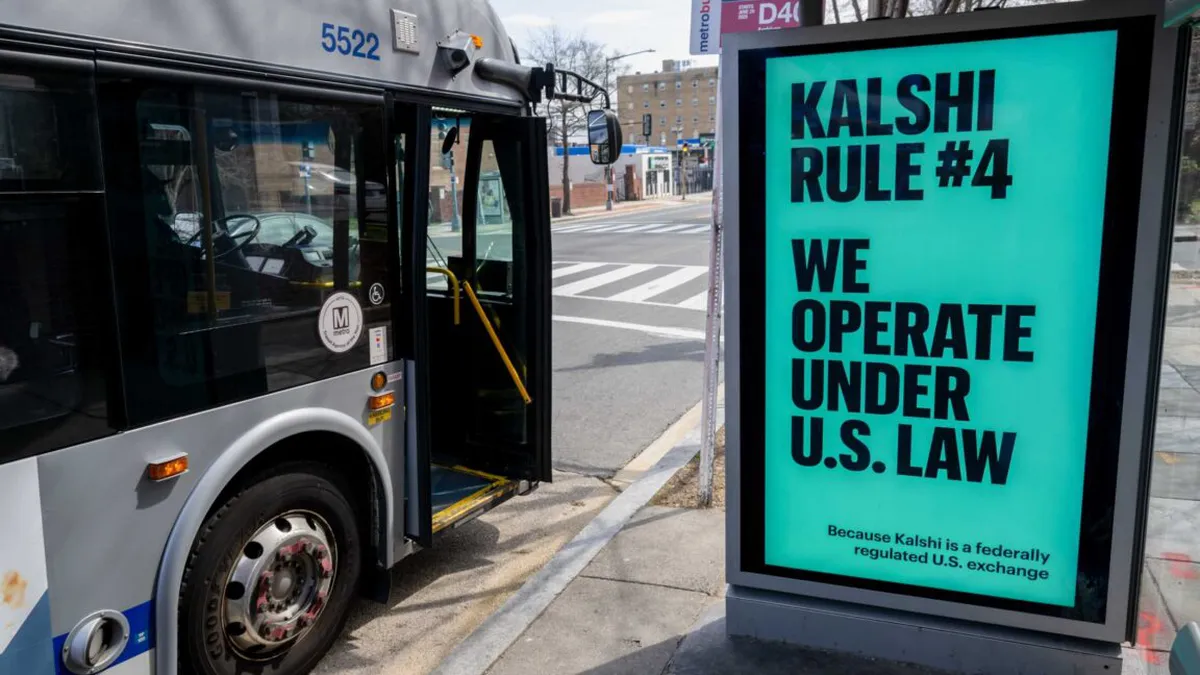
In a dramatic showdown between state and federal authority, the Trump administration has intervened in the ongoing legal battle involving Kalshi, a prediction market platform, and the New York state government. The Commodity Futures Trading Commission (CFTC) has ordered Kalshi to continue its operations in New York, citing a "market emergency" as the catalyst for this unprecedented move. This decision has significant implications for the future of prediction markets, the regulatory landscape surrounding them, and the broader conversation about gambling laws in the United States.
The conflict began when New York Attorney General Letitia James filed a lawsuit against Kalshi on July 31, claiming that the platform was operating an illegal gambling business in the state. The lawsuit seeks to permanently halt Kalshi's operations and mandates restitution for users who engaged in betting on the platform. This legal action has sparked a fierce debate about whether prediction markets, which allow users to bet on the outcomes of various events, should be classified as gambling under state law.
The Emergence of Prediction Markets
Prediction markets have gained traction in recent years as innovative platforms where users can trade contracts based on the likelihood of future events, including political outcomes, sports results, and other scenarios. Kalshi, one of the leading players in this space, allows users to buy and sell contracts that pay out based on specific event results. For instance, a user might bet on the probability of a certain candidate winning an election or a sports team winning a championship. These contracts are typically structured as derivatives, which complicates their regulatory status.
The rise of prediction markets poses a challenge to existing regulatory frameworks, primarily because they straddle the line between gambling and financial trading. As these platforms grow, so do concerns about their regulation, prompting states to impose their own rules. In this case, New York's stringent gambling laws have put Kalshi at odds with state authorities.

The Legal Tussle: Federal vs. State Authority
The CFTC's intervention in this case underscores the agency's belief that it holds exclusive jurisdiction over designated contract markets (DCMs), including platforms like Kalshi. CFTC Chairman Michael Selig emphasized that Congress intended for derivatives exchanges to operate free from a “patchwork” of state gambling laws. This assertion raises questions about the balance of power between state and federal regulatory bodies.
New York's Position
New York officials argue that Kalshi's operations fall squarely within the state's jurisdiction as a gambling operation. They contend that the platform's offerings meet the legal definition of gambling because users are betting on uncertain outcomes that are largely outside their control. Governor Kathy Hochul has stated that Kalshi has neglected to obtain the necessary licensing from the New York State Gaming Commission, which is essential for any entity seeking to operate in the state's gambling market. The revenue generated from licensed gambling operations is crucial for funding public services, including education and treatment programs for gambling addiction.
The CFTC's Defense
In defending its stance, the CFTC argues that allowing states to regulate these markets could lead to inconsistent rules and confusion for traders and investors. The agency points to the interstate nature of prediction markets, claiming that they facilitate trades between residents of different states, which should fall under federal oversight. The CFTC's emergency order aims to ensure that Kalshi can continue to operate while the legal battle unfolds, emphasizing the importance of maintaining stability in financial markets.

The Legal Precedent and Future Implications
This conflict is not an isolated case; it reflects a broader trend in which federal authorities are increasingly pushing back against state regulations that they deem overreaching. The outcome of this case could set significant legal precedents for how prediction markets are regulated across the United States. Kalshi has already faced hurdles in its legal journey, with a federal judge rejecting its initial request to halt New York's enforcement of its gambling laws. The judge's ruling highlighted that the Commodity Exchange Act (CEA) does not preempt all state actions related to designated contract markets, allowing states to maintain some regulatory authority.
Kalshi is currently appealing the ruling and seeks to transfer the New York lawsuit from state to federal court, arguing that the federal interest in regulating interstate financial markets should take precedence. However, New York has resisted this move, asserting its right to regulate gambling within its borders. The legal battle has significant implications for the future of prediction markets and how they will be treated under U.S. law.

Key Takeaways
- Federal Intervention: The Trump administration's CFTC ordered Kalshi to continue operating in New York amidst a legal battle.
- Legal Definitions: New York's lawsuit argues that prediction markets constitute illegal gambling under state law.
- Jurisdiction Conflict: The case raises questions about the balance of power between state and federal regulatory authorities.
- Potential Precedent: The outcome could influence how prediction markets are regulated across the United States.
- Market Stability: The CFTC emphasizes the need for federal oversight to ensure stability in financial markets.
Frequently Asked Questions
What are prediction markets?
Prediction markets are platforms that allow users to trade contracts based on the likelihood of future events. Users can bet on outcomes in various domains such as politics, sports, and entertainment, effectively creating a market-driven forecast of event probabilities. These markets operate similarly to financial exchanges, where users can buy and sell contracts before the event occurs.
Why is New York suing Kalshi?
New York is suing Kalshi because it believes the platform is operating an illegal gambling business without the necessary licensing. The state argues that Kalshi’s prediction markets constitute gambling, as users are wagering on uncertain outcomes that are outside their control, and thus should adhere to New York's stringent gaming laws.
What is the role of the CFTC in this situation?
The CFTC, or Commodity Futures Trading Commission, is a federal agency that regulates trading in commodity and financial derivatives. In this case, the CFTC has intervened to assert its authority over Kalshi, claiming that it has exclusive jurisdiction over designated contract markets and that state regulations should not interfere with interstate financial transactions.
What are the potential outcomes of this legal battle?
The potential outcomes could range from Kalshi continuing to operate under federal oversight, to a redefinition of how prediction markets are regulated, depending on the court's ruling. If Kalshi successfully argues for federal jurisdiction, it could pave the way for more lenient regulations for prediction markets across the U.S. Conversely, if the court sides with New York, it could reinforce state authority over such platforms, impacting their operations nationwide.
Comments
Tackling the Flesh-Eating Screwworm Infestation: Drones on the Frontline
As flesh-eating screwworms threaten livestock and wildlife in Texas, the U.S. government repurposes drones for surveillance. This article explores the implications of this invasive species and the innovative measures being taken to combat it.

Related articles
Popular in Guides
- Boomers Lead the Charge in Alcohol Abstinence: Insights from New Research
- Understanding the Physics of Silly Sprinklers and Feynman's Reverse Sprinkler Puzzle
- The Coming Air-Conditioning Revolution in Europe: A Necessity or a Luxury?
- Hobbits of Flores: Scavengers or Skilled Hunters?
- US Citizens Infected with Ebola: A Shifting Response Landscape