Tackling the Flesh-Eating Screwworm Infestation: Drones on the Frontline
As flesh-eating screwworms threaten livestock and wildlife in Texas, the U.S. government repurposes drones for surveillance. This article explores the implications of this invasive species and the innovative measures being taken to combat it.
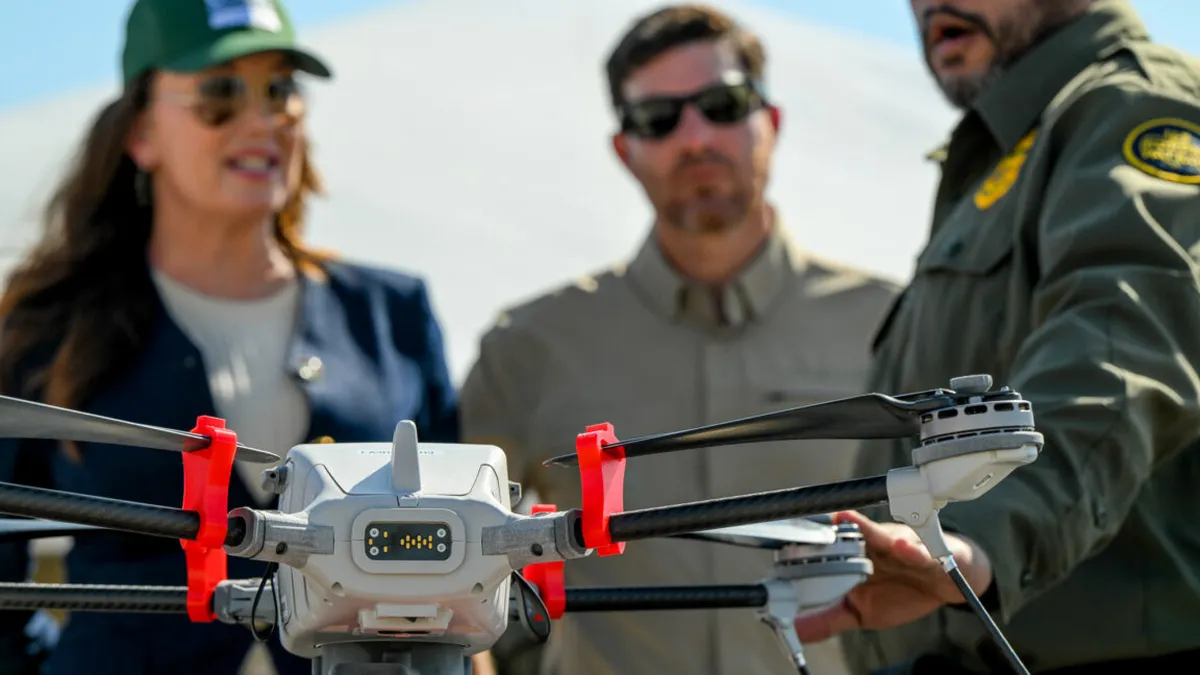
The U.S. is facing a pressing agricultural crisis as flesh-eating screwworms, a parasitic threat to livestock, have begun spreading across Texas. In response, the federal government has taken decisive action by repurposing hundreds of drones previously used for border surveillance to monitor wildlife and livestock for signs of this infestation. This innovative approach highlights the intersection of technology and agriculture in combating emerging biological threats.
Since the first cases of the New World Screwworm were detected in South Texas in June 2026, the U.S. Department of Agriculture (USDA) and Customs and Border Protection (CBP) have ramped up surveillance efforts. As of mid-August, confirmed cases of screwworm infestations have been reported in domesticated animals, primarily cattle and sheep, with the potential for severe consequences if left unchecked.
Understanding the Threat of Screwworms
The New World Screwworm, scientifically known as Cochliomyia hominivorax, is notorious for infesting warm-blooded animals, including livestock and humans. The larvae emerge from eggs laid by flies in open wounds, leading to severe injuries and, in untreated cases, death. With the capacity to cause widespread devastation to livestock health, the screwworm poses a significant threat to the agricultural economy, particularly in regions like Texas and New Mexico where livestock farming is a key industry.
The Economic Impact
The livestock industry in the United States is a multi-billion-dollar sector. For example, the economic impact of cattle ranching alone is projected to exceed $73 billion annually. An outbreak of screwworms could not only devastate animal health but also disrupt supply chains, leading to higher prices for consumers and significant losses for farmers. In Mexico, the situation is already dire, with over 500 human cases reported in 2025 and 2026, indicating a troubling trend that could spill over into the U.S.
The Role of Drone Surveillance in Combatting Infestations
The USDA's drone surveillance initiative represents one of the most extensive animal health monitoring operations in U.S. history. Employing at least 200 drones, the campaign has conducted over 1,000 flights, surveying more than 22,000 animals to detect signs of infestation. The primary drone utilized in this effort is the Skydio X10 quadcopter, equipped with advanced thermal imaging sensors capable of detecting temperature variations in animals that might indicate an infection.
- Infrared sensors identify higher body temperatures in potentially infected animals.
- High-resolution color imagery helps spot open wounds and abnormal behaviors.
- Early morning flights optimize detection efficacy against cooler ground temperatures.
Complementary Techniques
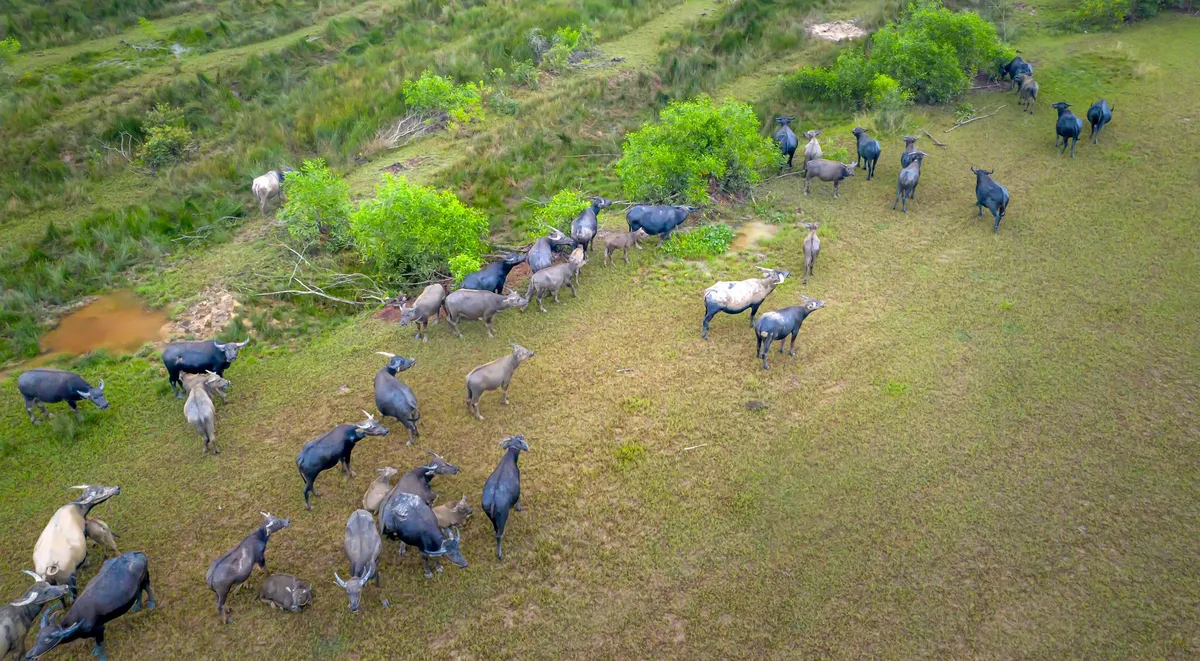
In addition to aerial surveillance, the USDA has deployed stationary cameras and more than 8,000 fly traps to monitor the screwworm population. However, despite these efforts, no detections have been reported from fly traps, underscoring the challenges in tracking this invasive species. The combination of drone technology and traditional monitoring techniques aims to create a comprehensive surveillance strategy that can adapt to the fast-moving nature of the screwworm threat.
Eradication Efforts: The Sterile Insect Technique
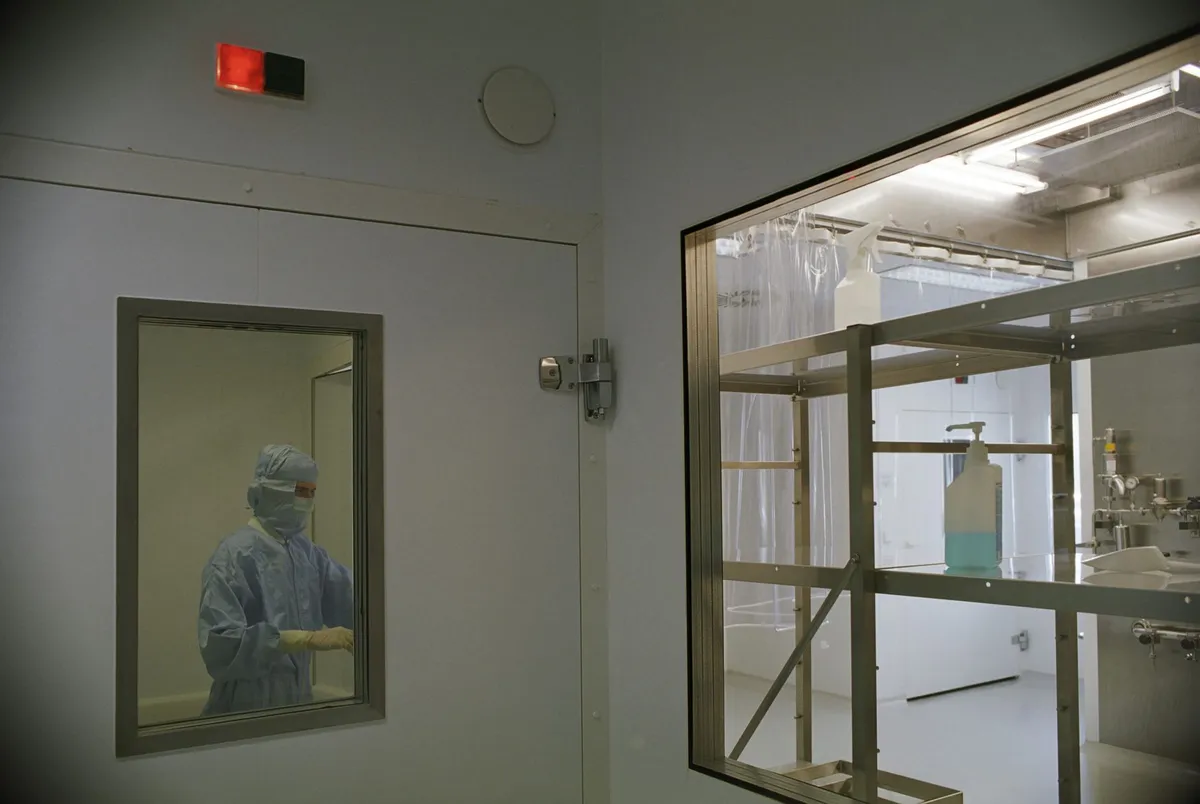
While drone surveillance plays a crucial role in detecting infestations, the USDA emphasizes that technology cannot replace proven eradication methods. The Sterile Insect Technique (SIT) has historically been effective in controlling screwworm populations. This method involves releasing large numbers of sterile male flies into the environment, significantly reducing breeding rates. The USDA, in collaboration with Panama, operates a facility that produces about 100 million sterile flies weekly, with plans for additional facilities in Arizona and South Texas to bolster this effort.
Future Plans and Investments
Recognizing the urgency of the situation, U.S. Agriculture Secretary Brooke Rollins has announced a $25 million investment to build a new sterile fly production facility in Douglas, Arizona, with a completion target of just a few months. Additionally, a new facility is under construction at Moore Air Base in South Texas, expected to be operational by April 1, 2027. These efforts reflect a commitment to not only address the current infestation but also prevent future outbreaks.
Public Awareness and Community Involvement
Education and awareness are critical components of controlling the screwworm threat. Farmers and ranchers need to be informed about the signs of infestation and the importance of early detection. The USDA is actively working to engage local communities in this initiative by providing training and resources for monitoring livestock health and reporting any suspected cases of screwworm to authorities.
The Role of Technology in Agriculture
The integration of drones and AI in agricultural practices signifies an exciting advancement in how we manage animal health. The USDA is researching AI applications to analyze drone imagery, potentially enhancing the capability to identify wounds and prioritize inspections. This technology-driven approach not only improves response times but also supports sustainable agricultural practices by minimizing the use of pesticides and other harmful chemicals.
Key Takeaways
- The New World Screwworm poses a serious threat to livestock health in the U.S., with confirmed cases in Texas and New Mexico.
- The USDA has deployed over 200 drones for surveillance, conducting thousands of flights to monitor animal health.
- Successful eradication relies on a combination of drone surveillance and the Sterile Insect Technique.
- Public awareness and community involvement are essential for effective monitoring and reporting of infestations.
- Technological innovations, including AI, are transforming agricultural practices for better disease management.
Frequently Asked Questions
What are the symptoms of a screwworm infestation in livestock?
Infestations can be identified by observing open sores or wounds on an animal's body, unusual behavior such as isolation from the herd, and signs of fever or infection. Early detection is crucial for effective treatment and prevention of further spread.
How can farmers protect their livestock from screwworms?
Farmers are encouraged to conduct regular health checks on their animals, report any unusual symptoms to local agricultural authorities, and utilize fly traps as a preventive measure. Staying informed about the latest surveillance efforts and participating in community education programs can also enhance protective measures.
What is the Sterile Insect Technique and how does it work?
The Sterile Insect Technique involves releasing large quantities of sterilized male screwworm flies into the environment. These sterile males mate with females without resulting in viable offspring, effectively reducing the population over time. This method has proven successful in previous eradication efforts and is a key strategy in the current response to the screwworm threat.
Comments
Federal Pushback: Kalshi's Battle Against New York Gambling Laws
The Trump administration steps in to protect Kalshi from New York's gambling regulations, raising questions about state versus federal jurisdiction in financial markets.

Related articles
Popular in Guides
- Boomers Lead the Charge in Alcohol Abstinence: Insights from New Research
- Understanding the Physics of Silly Sprinklers and Feynman's Reverse Sprinkler Puzzle
- The Coming Air-Conditioning Revolution in Europe: A Necessity or a Luxury?
- Hobbits of Flores: Scavengers or Skilled Hunters?
- US Citizens Infected with Ebola: A Shifting Response Landscape