Taylor Farms Faces Major Recall Amid Salmonella and Cyclospora Outbreaks
As Taylor Farms grapples with a significant recall of jalapeño products linked to Salmonella, the company is also under scrutiny for its handling of a Cyclospora outbreak tied to its lettuce. This article explores the implications for consumers and the food industry.
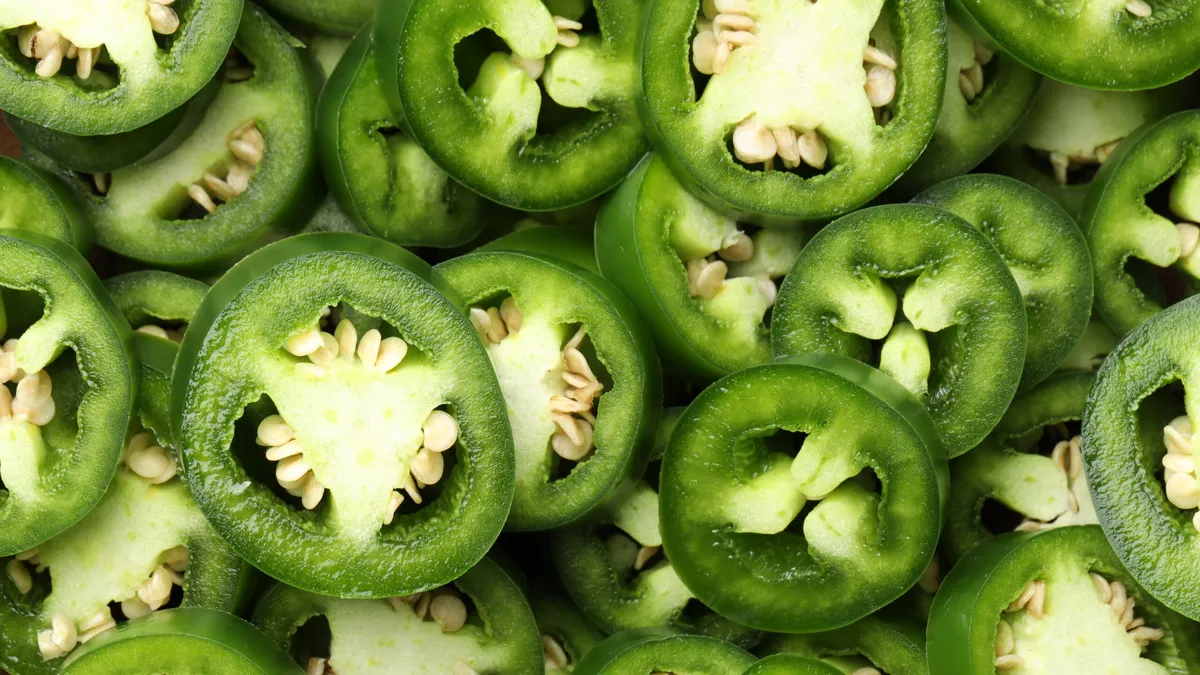
In a recent turn of events, Taylor Farms has announced a wide-ranging recall of jalapeño products due to a Salmonella outbreak, while simultaneously battling public scrutiny over its handling of an ongoing Cyclospora outbreak linked to its iceberg lettuce. This dual crisis not only raises significant concerns about food safety but also highlights the challenges faced by food distributors in ensuring the integrity of their supply chains. The recall affects a staggering 26 states and numerous major retailers, raising alarms among health officials and consumers alike.
The recall was triggered by a Salmonella outbreak that has reportedly infected at least 345 individuals across 27 states, leading to 36 hospitalizations. The implicated jalapeños were distributed by Coast Citrus Distributors, which has been identified as the source of the tainted produce. The Food and Drug Administration (FDA) and the Centers for Disease Control and Prevention (CDC) have been actively investigating the situation, but the timeline of events raises questions about the responsiveness of Taylor Farms and its communication strategies with the public.

Understanding the Dual Crises
While the Salmonella outbreak is a pressing issue, it is essential to contextualize it within the ongoing Cyclospora outbreak that has drawn significant media attention. Taylor Farms has been linked to a remarkable surge in cyclospora cases this year, with over 22,723 confirmed and probable cases reported, far exceeding the annual average of 2,000 to 5,000 cases in recent years.
The Cyclospora Outbreak
Cyclospora is a parasite that causes gastrointestinal illness characterized by symptoms such as watery diarrhea, bloating, and stomach cramps. This year’s outbreak has led to over 500 hospitalizations and, tragically, two fatalities. The FDA initially identified Mexican-grown iceberg lettuce from Taylor Farms as the contamination source, raising concerns about the company's food safety practices.
What Consumers Need to Know
Consumers should be particularly vigilant during this time, especially those who frequently dine at Mexican-style restaurants, as many reported cases were linked to establishments such as Chipotle and Qdoba. With symptoms of cyclosporiasis developing about a week after exposure, individuals who experience gastrointestinal distress after consuming potentially contaminated food should seek medical attention promptly.
How Salmonella and Cyclospora Impact the Food Supply Chain
Salmonella and Cyclospora outbreaks are not just public health concerns; they also have far-reaching implications for the food supply chain. Food distributors like Taylor Farms play a pivotal role in ensuring the safety of the products they deliver, and lapses in safety protocols can lead to widespread recalls, legal repercussions, and consumer distrust.
Food Safety Regulations
The current outbreaks have reignited discussions about food safety regulations in the U.S. Following previous incidents, including the E. coli outbreak linked to romaine lettuce, regulatory agencies have been under pressure to enhance safety protocols. In this instance, the FDA’s actions in identifying Coast Citrus Distributors as the source of the contaminated jalapeños underscore the importance of traceability in the food supply chain.
Challenges Facing Food Distributors
Food distributors must navigate a complex landscape of regulations, supplier relationships, and consumer expectations. In Taylor Farms' case, the company has faced criticism for its handling of the Cyclospora outbreak, including vague recall information and allegations of delayed notifications to affected retailers. Such challenges highlight the need for stronger regulatory frameworks and improved communication strategies within the industry.

The Financial and Legal Ramifications of Recalls
Recalls can have severe financial implications for food distributors. The costs associated with a recall can include direct expenses such as product disposal, legal fees, and potential settlements for affected consumers. Additionally, companies risk losing consumer trust, which can have a long-term impact on sales and market share.
Legal Risks and Consumer Rights
As the situation unfolds, Taylor Farms may face legal challenges from consumers affected by the outbreaks. Foodborne illness claims can lead to lawsuits, and companies must be prepared to address liability issues. Consumers should be aware of their rights regarding food safety and product recalls, including the ability to seek compensation for medical expenses incurred due to contaminated food.
Protecting Yourself as a Consumer
To protect themselves, consumers should stay informed about product recalls through resources such as the FDA’s website and local health departments. Additionally, practicing safe food handling and preparation techniques is crucial, including washing produce thoroughly and being cautious when dining out.

Key Takeaways
- Taylor Farms recalls jalapeño products due to Salmonella linked to Coast Citrus Distributors.
- The ongoing Cyclospora outbreak has resulted in over 22,723 reported cases this year.
- Consumers should be vigilant and monitor symptoms if they have consumed affected products.
- Regulatory agencies are under pressure to enhance food safety practices in light of recent outbreaks.
- Legal implications for food distributors may arise from consumer lawsuits related to foodborne illnesses.
Frequently Asked Questions
What should consumers do if they have purchased recalled products?
Consumers who have purchased any products included in the Taylor Farms recall should immediately dispose of the items or return them to the retailer for a refund. It is essential to stay updated on recall announcements through the FDA's website and local news sources. If you have experienced any symptoms of foodborne illness after consuming these products, it is advisable to seek medical attention and report the incident to local health authorities.
How can I tell if my food is safe to eat?
To determine if your food is safe, check for any recall notices related to the products you have purchased. When preparing food, always wash fruits and vegetables thoroughly, cook meats to the appropriate temperatures, and avoid cross-contamination. Being informed about food safety practices can significantly reduce the risk of foodborne illness.
What are the symptoms of Salmonella and Cyclospora infections?
Symptoms of Salmonella infections can include fever, diarrhea (which may be bloody), and stomach cramps, typically manifesting 6 hours to 6 days after exposure. In contrast, Cyclospora infections usually present with watery diarrhea, stomach cramps, and fatigue, appearing about a week after consuming contaminated food. If you experience severe symptoms, especially dehydration or prolonged illness, consult a healthcare professional promptly.
How do these outbreaks impact the food industry as a whole?
Outbreaks of foodborne illnesses can have profound effects on the food industry, leading to costly recalls, legal issues, and a loss of consumer trust. These incidents highlight the need for improved food safety practices and increased regulation in the industry. Additionally, they can prompt consumers to be more vigilant about their food choices, driving demand for transparency and accountability from food distributors.
Comments
2026 Subaru Outback Limited: A Blend of Functionality and Comfort
The 2026 Subaru Outback Limited continues the legacy of its predecessors with a refined interior and enhanced driving experience, although its exterior design remains divisive. This review explores the features, performance, and overall practicality of Subaru's latest iteration of the Outback.

Related articles

Popular in Guides
- Boomers Lead the Charge in Alcohol Abstinence: Insights from New Research
- Understanding the Physics of Silly Sprinklers and Feynman's Reverse Sprinkler Puzzle
- The Coming Air-Conditioning Revolution in Europe: A Necessity or a Luxury?
- US Citizens Infected with Ebola: A Shifting Response Landscape
- Revolutionary Insights into Ocean Rift Zone Dynamics: A Sudden Burst of Crustal Spreading