Unleashing Canine Emotion: How Dogs Perceive Human Feelings
Recent research using fMRI has revealed that dogs can identify and respond to human emotions, demonstrating their remarkable emotional intelligence. This article explores the implications of these findings for dog owners and trainers.
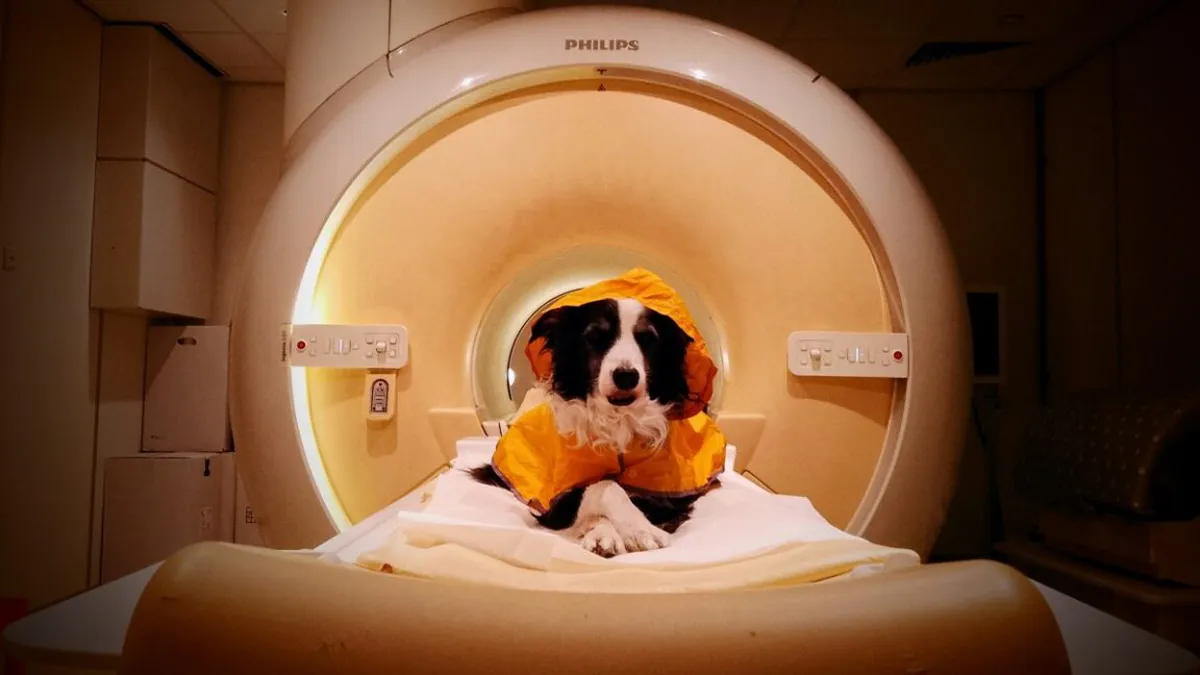
For centuries, dogs have been hailed as man’s best friend, and recent scientific research suggests that this title is well-deserved. Not only do these loyal companions offer unconditional love and companionship, but they also possess a remarkable ability to perceive and respond to human emotions. A groundbreaking study published in the journal iScience has utilized functional magnetic resonance imaging (fMRI) technology to demonstrate that dogs can differentiate between a range of human facial expressions, including happiness, sadness, anger, and fear. The implications of this research are both fascinating and profound, revealing insights into the emotional lives of our canine companions.
The study, conducted by researchers at the University of Vienna, highlights the intricate relationship between dogs and humans, emphasizing how dogs have evolved to understand our emotional states. By employing advanced imaging techniques, the research team has shed light on the neural mechanisms that underpin this emotional intelligence, ultimately challenging our perceptions of how dogs interact with humans.
The Science Behind Canine Emotional Intelligence
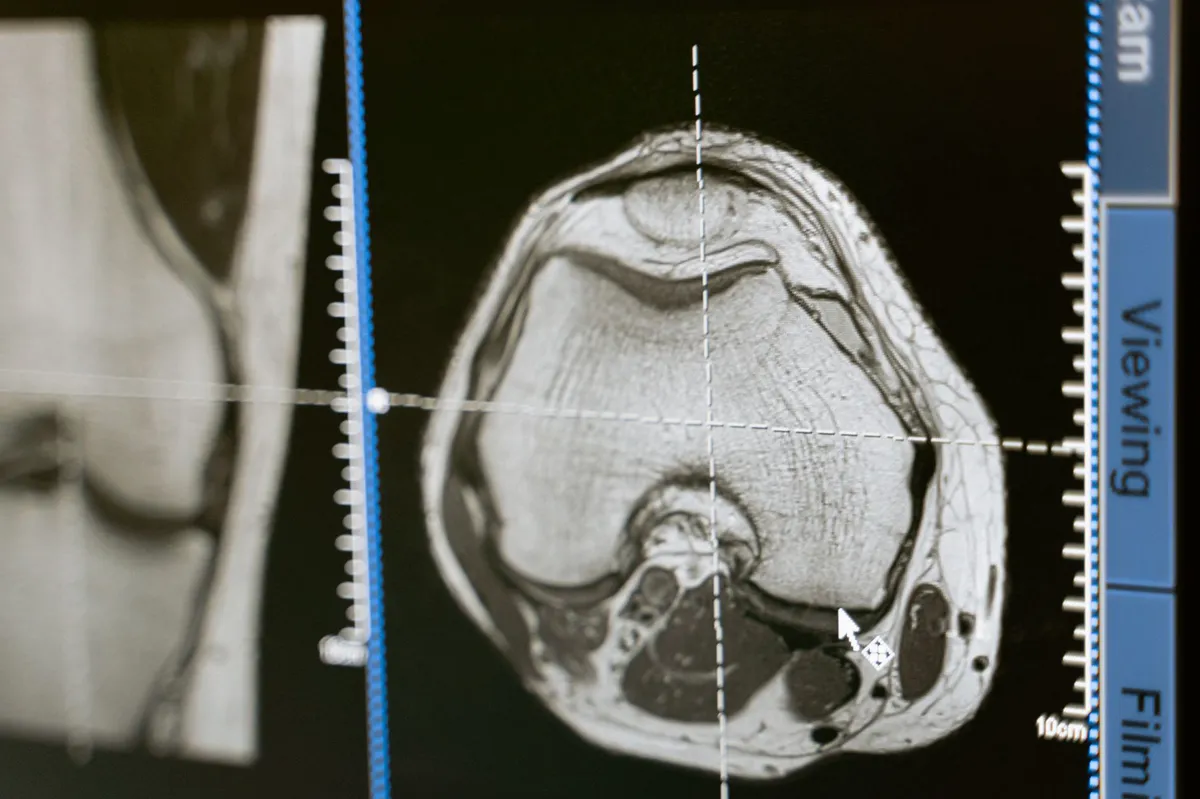
The study involved a series of fMRI scans on a group of well-socialized dogs, including breeds like border collies and golden retrievers. These scans were designed to observe how dogs' brains respond to various human facial expressions. The results were telling: specific regions of the dogs' brains, particularly the left temporal cortex and caudate nucleus, exhibited heightened activity in response to happy human faces. This suggests that dogs not only recognize happiness but also have a complex neurological framework for processing these emotional cues.
Understanding the Brain's Response
The left temporal cortex is associated with higher cognitive functions, while the caudate nucleus plays a role in processing rewards. The findings indicate that when a dog sees a human smile, it can trigger a positive neurological response, similar to how humans might feel uplifted upon seeing a loved one’s joyful expression. This neural response underscores the importance of positive interactions between dogs and their owners, reinforcing the bond that exists between species.
Exploring Negative Emotions
In addition to recognizing positive emotions, the study also explored how dogs interpret negative human facial expressions. A subsequent phase of the research involved showing dogs images that displayed sadness, fear, and anger. What emerged from this investigation was the ability of dogs to distinguish between these emotions, revealing distinct patterns of brain activity for each.
For instance, during the follow-up experiments with twelve dogs, the researchers observed varied neurological responses when the dogs were exposed to different negative emotions. This capability suggests that dogs can not only sense when their owners are upset but also understand the nuances of those emotions. This understanding is crucial for fostering better communication and emotional support between dogs and humans.
Implications for Dog Training and Care
The findings from this research provide valuable insights for dog owners, trainers, and behaviorists. Understanding that dogs can perceive human emotions opens new avenues for training and enhancing the human-animal bond. Here are several practical implications:
- Emotionally Responsive Training: Training methods can be adjusted to incorporate emotional cues, aligning with a dog’s ability to recognize human emotions.
- Enhanced Bonding: Owners can foster stronger relationships with their dogs by being more attuned to their emotional states, providing comfort when necessary.
- Behavioral Understanding: Recognizing that a dog may respond differently to its owner's emotional fluctuations can lead to more effective behavioral management.
- Socialization Strategies: Socializing dogs in environments where they can experience a range of emotions can enhance their emotional intelligence.

The Evolution of Canine Emotion Recognition
One of the most fascinating aspects of this research is its implication on the evolutionary journey of dogs. Unlike primates, who share a common ancestor with humans, dogs have forged a unique evolutionary path shaped by domestication. This process has honed their ability to understand and cooperate with humans in ways that are distinctive to their species.
As co-author Laura Cuaya notes, dogs have developed social skills that enable them to interpret human expressions and body language effectively. This evolution has made them not just companions but also partners in social and emotional contexts. Recognizing dogs as emotional beings with their own understanding of human emotions can significantly change how we communicate with and care for them.
Key Takeaways
- Dogs can differentiate between human emotional expressions, including happiness, sadness, anger, and fear.
- Specific brain regions in dogs are activated in response to human facial expressions, indicating a sophisticated emotional understanding.
- The evolution of dogs has uniquely equipped them to interpret human emotions, fostering a strong bond between species.
- Understanding canine emotional intelligence can enhance training and improve the owner-dog relationship.
- Dog owners should be mindful of their emotional states, as dogs are sensitive to changes in human emotion.
Frequently Asked Questions
How can I help my dog recognize my emotions?
To help your dog recognize and respond to your emotions, engage in positive interactions that are emotionally expressive. Use a warm tone of voice and maintain an open body posture when you are happy. Conversely, when you are feeling down, your dog may respond better if you communicate your needs gently and provide comfort. Consistency in these interactions will help your dog better understand your emotional cues.
Do all dog breeds have the same emotional recognition capabilities?
While all dogs possess the fundamental capability to recognize human emotions, individual breeds may exhibit variations in their sensitivity and responsiveness. Breeds that have been historically bred for companionship, such as Labradors and Golden Retrievers, often display a heightened ability to tune into human emotions due to their social nature. However, mixed breeds and less socialized dogs can also develop emotional recognition abilities through positive experiences and socialization.
Can dogs experience emotions similar to humans?
Dogs experience emotions, but they may not process them in the same way humans do. While dogs can feel joy, fear, and sadness, their emotional experiences are influenced by their instincts and the environment. Recognizing dogs as emotional beings allows owners to appreciate their needs more deeply and respond to their behavior with empathy and understanding.
How can I improve my dog's emotional intelligence?
Improving your dog's emotional intelligence can be achieved through socialization, training, and positive reinforcement. Introduce your dog to various environments, people, and other dogs to enhance their social skills. Training sessions that reward emotional responses, such as calmness in stressful situations or excitement during play, can also reinforce their understanding of human emotions. Regular interaction and communication with your dog will foster a deeper bond and enhance their emotional capabilities.
Comments
2026 Subaru Outback Limited: A Blend of Functionality and Comfort
The 2026 Subaru Outback Limited continues the legacy of its predecessors with a refined interior and enhanced driving experience, although its exterior design remains divisive. This review explores the features, performance, and overall practicality of Subaru's latest iteration of the Outback.

Related articles


Popular in Guides
- Boomers Lead the Charge in Alcohol Abstinence: Insights from New Research
- Understanding the Physics of Silly Sprinklers and Feynman's Reverse Sprinkler Puzzle
- Mark Zuckerberg Acquires Strancally Castle: A Look at His New Irish Estate
- Last Chance to Score Discounts for TechCrunch Disrupt 2026
- The Coming Air-Conditioning Revolution in Europe: A Necessity or a Luxury?