Why Device Code Phishing is the Fastest-Growing Cyber Threat of 2026
As device code phishing becomes a prevalent threat, understanding its mechanics and mitigating risks is essential. This article explores the rise of this tactic and how organizations can protect themselves.
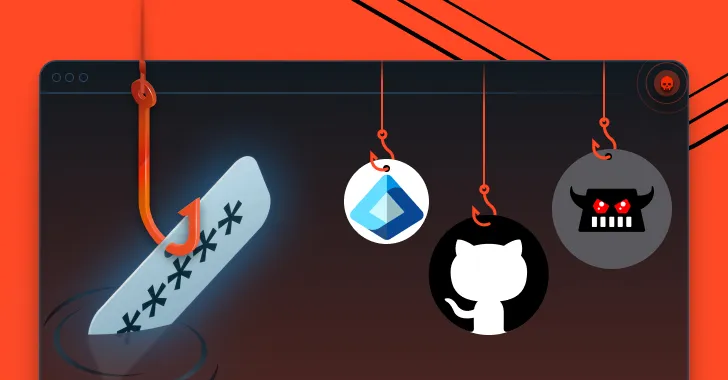
As we step into 2026, the landscape of cybersecurity continues to evolve, bringing new threats that challenge even the most robust defenses. Among these, device code phishing has emerged as one of the fastest-growing threats, raising alarms across industries. Unlike traditional phishing, which often relies on emails or deceptive links, device code phishing leverages the convenience of two-factor authentication (2FA) systems, making it a particularly insidious form of attack. This article delves into the mechanics of device code phishing, its increasing prevalence, and essential steps organizations can take to secure themselves against this looming threat.
The Mechanics of Device Code Phishing
Device code phishing exploits the very mechanisms designed to enhance security. Typically, when users log into an application or service, they may be prompted to authenticate their identity through a second device—often their mobile phone—by entering a code sent via SMS or generated by an authentication app. Device code phishing takes advantage of this by tricking users into entering their authentication codes on malicious sites.
How It Works
Here's how the attack typically unfolds:
- Deceptive Communication: Attackers initiate contact, often through text messages or social media platforms, masquerading as legitimate entities.
- Fake Authentication Requests: Victims receive notifications prompting them to enter their authentication codes, often claiming suspicious activity on their accounts.
- Code Entry on Phishing Sites: Users are redirected to a fraudulent website that closely resembles the legitimate service, where they unwittingly enter their codes.
- Account Takeover: Once attackers capture the codes, they gain unauthorized access to the victim's accounts, leading to data breaches and financial losses.

The Rise of Device Code Phishing
The rise of device code phishing is not coincidental; it correlates with the increasing adoption of 2FA across various platforms. As companies and individuals prioritize security, attackers have adjusted their tactics to exploit these advancements. In fact, a recent report suggests that the number of device code phishing attempts has grown by over 300% in the last year alone.
Factors Contributing to Its Growth
Several factors have propelled device code phishing to the forefront of cybersecurity threats:
- Increased Use of 2FA: The widespread implementation of two-factor authentication has made it an attractive target for cybercriminals.
- Social Engineering Tactics: Attackers have become more adept at crafting convincing messages that exploit users' trust.
- Mobile Device Reliance: As more users rely on mobile devices for authentication, they become more vulnerable to phishing attempts that target these platforms.

Five Steps to Secure Against Device Code Phishing
With the threat landscape continuously evolving, organizations must adopt proactive measures to safeguard against device code phishing. Here are five essential steps to enhance your security posture:
1. Educate Employees
Training employees to recognize phishing attempts is crucial. Conduct regular workshops that cover the latest phishing tactics, including device code phishing, and emphasize the importance of verifying communication sources.
2. Implement Multi-Factor Authentication (MFA)
While 2FA is a solid step, consider implementing more robust multi-factor authentication systems that utilize biometrics or hardware tokens, making it harder for attackers to gain access.
3. Monitor for Unusual Activity
Establish monitoring systems to detect unusual login attempts or access patterns. Rapid detection can help mitigate potential breaches before significant damage occurs.
4. Use Phishing Protection Tools
Invest in advanced phishing protection tools that can identify and block phishing attempts in real-time. These tools can act as an additional layer of defense against such threats.
5. Foster a Culture of Security
Encourage a security-first mindset within your organization. Regularly remind employees of their role in protecting sensitive information and the importance of vigilance against potential threats.

Key Takeaways
- Device code phishing is rapidly growing due to the increased use of two-factor authentication.
- It exploits user trust and relies on social engineering tactics to deceive victims.
- Organizations can mitigate risks through employee training and robust security measures.
- Advanced phishing protection tools play a crucial role in safeguarding against attacks.
Frequently Asked Questions
What is device code phishing?
Device code phishing is a cyber attack that targets users by tricking them into entering their two-factor authentication codes on fraudulent websites. Attackers typically use social engineering tactics to convince victims to provide their codes, which are then used to gain unauthorized access to their accounts.
How can I identify a device code phishing attempt?
Recognizing a device code phishing attempt often involves being aware of unusual or unexpected requests for authentication codes, especially from unfamiliar sources. Look for signs of urgency or suspicious links in communications, and always verify the legitimacy of such requests through official channels before acting.
Are there specific industries more affected by device code phishing?
While device code phishing can impact any organization, industries that heavily rely on digital services, such as finance, healthcare, and technology, are particularly vulnerable. These sectors often handle sensitive information and financial transactions, making them prime targets for cybercriminals.
Comments
Securing Against AI-Driven Vulnerabilities: Lessons from Recent Breaches
Recent incidents involving AI models like Claude highlight the growing cybersecurity risks. This article explores how organizations can fortify their defenses against such vulnerabilities.

Related articles



Popular in Cybersecurity
- Federal Mandate for Autonomous Vehicles: A Call for Safety Compliance
- EU Mandates Google to Share Data and Open AI on Android: What It Means
- GitHub Revamps Bug Bounty Program: Implications for Developers and Security
- Australian Government Disables Thousands of Functional Broadband Routers: A Wasteful Decision
- Exploiting Redis: Understanding Zero-Day Vulnerabilities and Their Mitigation