Securing Against AI-Powered Cyber Threats: A Comprehensive Guide
As AI technology evolves, so do the tactics of cybercriminals. This article explores how AI is being used in hacking and offers actionable steps to fortify your organization against emerging threats.
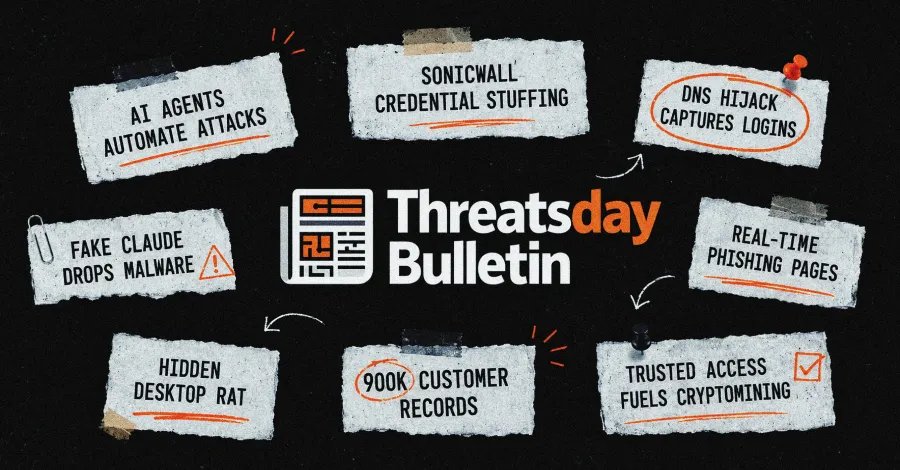
The rise of artificial intelligence (AI) has revolutionized numerous sectors, but it has also introduced a new wave of cybersecurity threats. Cybercriminals are increasingly leveraging AI to exploit vulnerabilities, automate attacks, and enhance their hacking capabilities. With the discovery of over 370 flaws in Chrome and other alarming trends such as DNS hijacking and SonicWall attacks, the urgency for organizations to bolster their cybersecurity measures has never been greater. This article delves into how AI empowers cyber threats and outlines essential steps organizations can take to protect themselves.
Understanding the AI Threat Landscape
AI's role in cybersecurity is a double-edged sword. On one hand, it can enhance security measures through predictive analytics and automated responses to threats. Conversely, malicious actors are using AI to develop more sophisticated attack methods. This includes creating intelligent malware that can adapt to defenses, generating convincing phishing content, and automating the identification of software vulnerabilities.
The Evolving Nature of Cyber Attacks
Cyber threats are evolving rapidly, and AI is at the forefront of this transformation. Attacks that previously required significant human oversight can now be executed at scale through automation. For instance, AI models can analyze vast amounts of data to discover weaknesses in software, enabling hackers to exploit these vulnerabilities faster than traditional methods allow. This has led to a surge in the number of vulnerabilities identified, emphasizing the need for organizations to stay ahead of the curve.
The Impact of Recent Vulnerabilities
Recent findings, such as the revelation of 370 vulnerabilities in Chrome, highlight the pervasive nature of software flaws. These vulnerabilities can leave organizations open to attacks that could compromise sensitive data, disrupt operations, or even lead to financial losses. Moreover, incidents like the DNS hijacking and SonicWall attacks serve as stark reminders of the potential consequences of inadequate cybersecurity measures.
What is DNS Hijacking?
DNS hijacking occurs when cybercriminals redirect internet traffic from legitimate websites to malicious ones without users' awareness. This can lead to data theft, malware installation, or phishing scams. With the rise of AI, these attacks can become more targeted and efficient, making it critical for organizations to implement robust security protocols.

Five Steps to Safeguard Your Organization
To mitigate the risks posed by AI-driven cyber threats, organizations must adopt a proactive approach to cybersecurity. Here are five essential steps to secure against vulnerabilities:
- Conduct Regular Security Audits: Regular assessments help identify vulnerabilities before they can be exploited. These audits should analyze software, network configurations, and employee practices.
- Implement Advanced Threat Detection: Utilize AI-powered security tools that can monitor network activity and identify unusual patterns indicative of a breach.
- Educate Employees: Human error is often a weak link in cybersecurity. Providing regular training on recognizing phishing attempts and safe internet practices can significantly reduce risk.
- Patch and Update Software Promptly: Regularly updating software and systems is crucial in closing security gaps. Establish a routine for applying patches as soon as they are released.
- Develop an Incident Response Plan: Having a clear, well-documented response plan can minimize damage in the event of a cyber-attack. Ensure all employees are familiar with their roles in the plan.

The Role of AI in Future Cybersecurity
As AI continues to evolve, its role in cybersecurity will expand. Organizations should not only focus on defending against AI-driven attacks but also consider how AI can enhance their security posture. Predictive analytics, real-time monitoring, and intelligent response mechanisms can provide a significant advantage in the fight against cybercrime.
Balancing AI's Benefits and Risks
It’s essential for organizations to strike a balance between utilizing AI for improving their cybersecurity measures and being vigilant about the risks it poses. Integrating AI into cybersecurity strategies can automate routine tasks, allowing security teams to focus on more complex threats. However, staying informed about the latest developments in AI and cyber threats is crucial to ensure that defenses remain effective.
Key Takeaways
- AI is increasingly being used by cybercriminals to automate and enhance attacks.
- Organizations must regularly update their security measures to defend against new vulnerabilities.
- Employee education is vital in reducing human error-related security breaches.
- Implementing a comprehensive incident response plan can minimize damage during a cyber-attack.
Frequently Asked Questions
How can AI enhance cybersecurity defenses?
AI can enhance cybersecurity defenses by providing real-time threat detection and response capabilities. By analyzing vast amounts of data, AI can identify patterns and anomalies that may indicate a security breach. This allows organizations to respond more quickly and effectively to potential threats, reducing the likelihood of successful attacks.
What are the most common types of cyber threats today?
Today, the most common types of cyber threats include phishing attacks, ransomware, malware, and denial-of-service (DoS) attacks. Phishing often involves deceptive emails designed to trick users into revealing sensitive information, while ransomware encrypts files and demands payment for their release. Malware encompasses various malicious software types, and DoS attacks aim to disrupt services by overwhelming systems with traffic.
What should I do if my organization is breached?
If your organization experiences a breach, it’s crucial to follow your incident response plan. Immediately isolate affected systems to prevent further damage, notify stakeholders, and conduct a thorough investigation to understand the breach's cause. Depending on the severity, you may need to involve law enforcement and inform affected customers or clients about the data compromise.
Comments
Securing Against AI-Driven Vulnerabilities: Lessons from Recent Breaches
Recent incidents involving AI models like Claude highlight the growing cybersecurity risks. This article explores how organizations can fortify their defenses against such vulnerabilities.

Related articles






Popular in Cybersecurity
- Federal Mandate for Autonomous Vehicles: A Call for Safety Compliance
- EU Mandates Google to Share Data and Open AI on Android: What It Means
- GitHub Revamps Bug Bounty Program: Implications for Developers and Security
- Australian Government Disables Thousands of Functional Broadband Routers: A Wasteful Decision
- Exploiting Redis: Understanding Zero-Day Vulnerabilities and Their Mitigation