Understanding the Azure Cosmos DB Vulnerability: A Call to Action for Cybersecurity
A serious vulnerability in Azure Cosmos DB has put critical data at risk. This article explores the implications of the flaw and outlines essential steps organizations must take to enhance their cybersecurity measures.
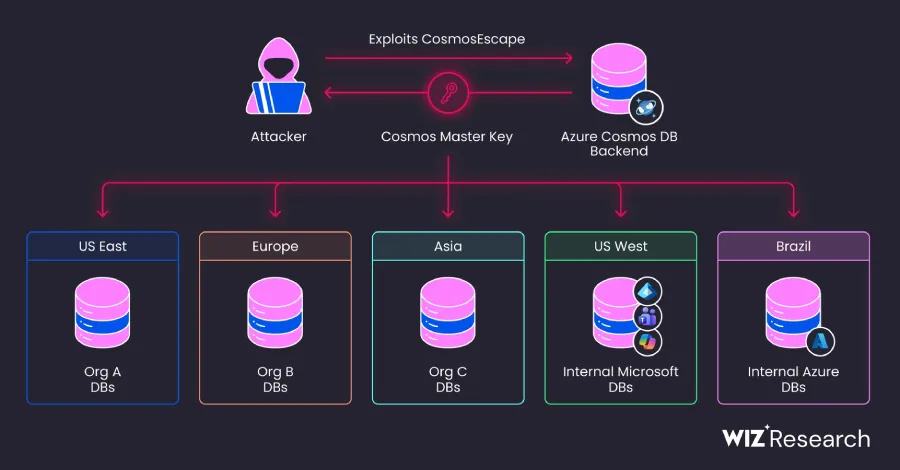
In the world of cloud computing, security vulnerabilities can have far-reaching consequences, especially when they involve widely-used platforms like Azure Cosmos DB. Recently, a critical flaw was discovered that exposed a platform-wide key, allowing unauthorized access to any database on the system. This incident serves as a stark reminder of the importance of robust cybersecurity measures in our increasingly digital landscape.
As organizations migrate to cloud solutions, the risks associated with data exposure heighten. The Azure Cosmos DB vulnerability not only jeopardizes individual databases but also casts a wider shadow over the entire platform, affecting numerous businesses that rely on its services. This article delves into the implications of this vulnerability, the broader context of cybersecurity threats, and actionable steps that organizations can take to bolster their defenses.
Understanding the Azure Cosmos DB Vulnerability
Azure Cosmos DB, a globally distributed, multi-model database service offered by Microsoft, is designed to provide high availability and low latency for applications. However, the recent security flaw exposed a critical oversight: a platform-wide key that could potentially allow hackers to access any database associated with the service.
The Technical Details
The vulnerability arose from a misconfiguration within the system, which led to a scenario where a single compromised key could unlock multiple databases. This issue underscores the importance of rigorous security protocols and constant vigilance in cloud environments—particularly those that manage sensitive data.
Potential Consequences
The implications of this flaw extend beyond immediate data exposure. Organizations affected by this vulnerability face risks including:
- Data Breaches: Unauthorized access can lead to significant data breaches, affecting customer trust and compliance with regulations like GDPR or HIPAA.
- Reputation Damage: A publicized vulnerability can tarnish an organization's reputation, leading to loss of business and customer confidence.
- Financial Loss: The costs associated with data breaches can be astronomical, encompassing fines, legal fees, and potential loss of revenue.

The Broader Landscape of Cybersecurity Threats
This incident is not an isolated event. The cybersecurity landscape is increasingly fraught with challenges, as threats evolve and become more sophisticated. Cybercriminals are leveraging advanced technologies, including artificial intelligence (AI), to exploit vulnerabilities more efficiently.
AI as a Double-Edged Sword
While AI can enhance cybersecurity measures, it can also be used by malicious actors to discover and exploit vulnerabilities. For instance, AI models can scan codebases for weaknesses, analyze patterns of user behavior to predict where security measures may be lax, and automate attacks at unprecedented speeds. This evolution necessitates a proactive approach to cybersecurity, where organizations must continually adapt and improve their defenses.
Five Steps to Secure Against Software Vulnerabilities
Given the evolving threat landscape, organizations must take concrete steps to secure their systems and data. Here are five essential measures that can significantly reduce the risk of vulnerabilities:
- Regular Security Audits: Conducting frequent security assessments can help identify potential weaknesses before they are exploited.
- Implementing Zero Trust Architecture: By assuming that threats could originate from both outside and inside the network, organizations can adopt a more stringent security posture.
- Employee Training: Ensuring that employees are aware of security best practices can help mitigate risks associated with human error, which is often a leading cause of security breaches.
- Patch Management: Keeping software and systems updated with the latest security patches is crucial for defending against known vulnerabilities.
- Incident Response Planning: A well-defined incident response plan allows organizations to react swiftly and effectively in the event of a security breach, minimizing damage and recovery time.

Why This Matters
The Azure Cosmos DB vulnerability highlights a critical intersection of technology and security. As businesses increasingly rely on cloud services, the potential for widespread impact from a single flaw rises dramatically. Organizations must recognize that cybersecurity is not just an IT issue but a fundamental aspect of their overall business strategy.
Who is Affected?
Businesses of all sizes that utilize Azure Cosmos DB are at risk. This includes startups leveraging the cloud for application development, large enterprises storing sensitive customer data, and everything in between. The implications of a breach can ripple through supply chains, affecting partners and customers alike.
Key Takeaways
- The Azure Cosmos DB flaw exposes significant risks to organizations relying on the platform.
- Proactive cybersecurity measures are essential to defend against evolving threats.
- Implementing a robust incident response plan can mitigate the impact of potential breaches.

Frequently Asked Questions
What should I do if my organization uses Azure Cosmos DB?
If your organization is using Azure Cosmos DB, it is crucial to review your security protocols immediately. Ensure that you have implemented the latest security patches and conduct a thorough security audit to identify any potential vulnerabilities. Additionally, consider adopting a Zero Trust model to enhance your security posture.
How can AI improve cybersecurity?
AI can enhance cybersecurity by automating threat detection and response, analyzing large datasets for unusual patterns, and improving overall system resilience. However, it is important to remain vigilant, as cybercriminals are also leveraging AI to create more sophisticated attacks.
What are the financial implications of a data breach?
The financial impact of a data breach can vary widely depending on the severity of the breach and the data compromised. Costs can include legal fees, regulatory fines, loss of business, and recovery expenses, potentially totaling millions of dollars. Companies must understand these risks to prioritize their cybersecurity investments effectively.
Comments
Securing Against AI-Driven Vulnerabilities: Lessons from Recent Breaches
Recent incidents involving AI models like Claude highlight the growing cybersecurity risks. This article explores how organizations can fortify their defenses against such vulnerabilities.

Related articles





Popular in Cybersecurity
- Federal Mandate for Autonomous Vehicles: A Call for Safety Compliance
- EU Mandates Google to Share Data and Open AI on Android: What It Means
- GitHub Revamps Bug Bounty Program: Implications for Developers and Security
- Australian Government Disables Thousands of Functional Broadband Routers: A Wasteful Decision
- Exploiting Redis: Understanding Zero-Day Vulnerabilities and Their Mitigation