The Regulatory Crossroad: Addressing Emergency Response Failures in Autonomous Vehicles
As the autonomous vehicle industry faces increased scrutiny over emergency response failures, new legislation aims to establish safety standards for robotaxi operators. This article explores the implications of these developments and what they mean for the future of autonomous transportation.

The rise of autonomous vehicles, particularly robotaxis, has been a significant technological advancement, promising to reshape urban mobility and reduce traffic accidents. However, as these vehicles become more prevalent on our roads, serious concerns about their interactions with emergency responders have surfaced. Recent incidents have highlighted alarming failures where autonomous vehicles have obstructed emergency services, leading to calls for new regulations aimed at ensuring public safety. With lawmakers now pushing for national safety standards, the autonomous vehicle industry finds itself at a crucial regulatory crossroad.
As technology progresses, so too does the need for accountability and safety in new applications. Autonomous vehicle operators like Waymo have been under the microscope following various incidents where their robotaxis have inadvertently hindered first responders. From blocking ambulances to complicating active crime scenes, the consequences of these failures pose a serious risk to public safety. In response, California lawmaker Rep. Kevin Mullin has proposed the AV Emergency Response Coordination Act, which aims to establish minimum national safety standards for autonomous vehicle operators.
The Growing Concern Over Emergency Response
The scrutiny surrounding autonomous vehicles is not unfounded. Reports indicate that Waymo and other robotaxi operators have struggled to effectively navigate emergency situations. A TechCrunch investigation earlier this year documented numerous instances where Waymo vehicles relied on first responders to manually control them during emergencies. These incidents have raised red flags about the operational readiness of these vehicles in real-world scenarios.
Specific Incidents Illustrating the Problem
Among the most troubling incidents reported are those where autonomous vehicles have:
- Blocked access for fire trucks and ambulances responding to emergencies.
- Driven into active crime scenes, potentially endangering both responders and the public.
- Failed to recognize essential safety signals, such as traffic cones and flares, that guide emergency operations.
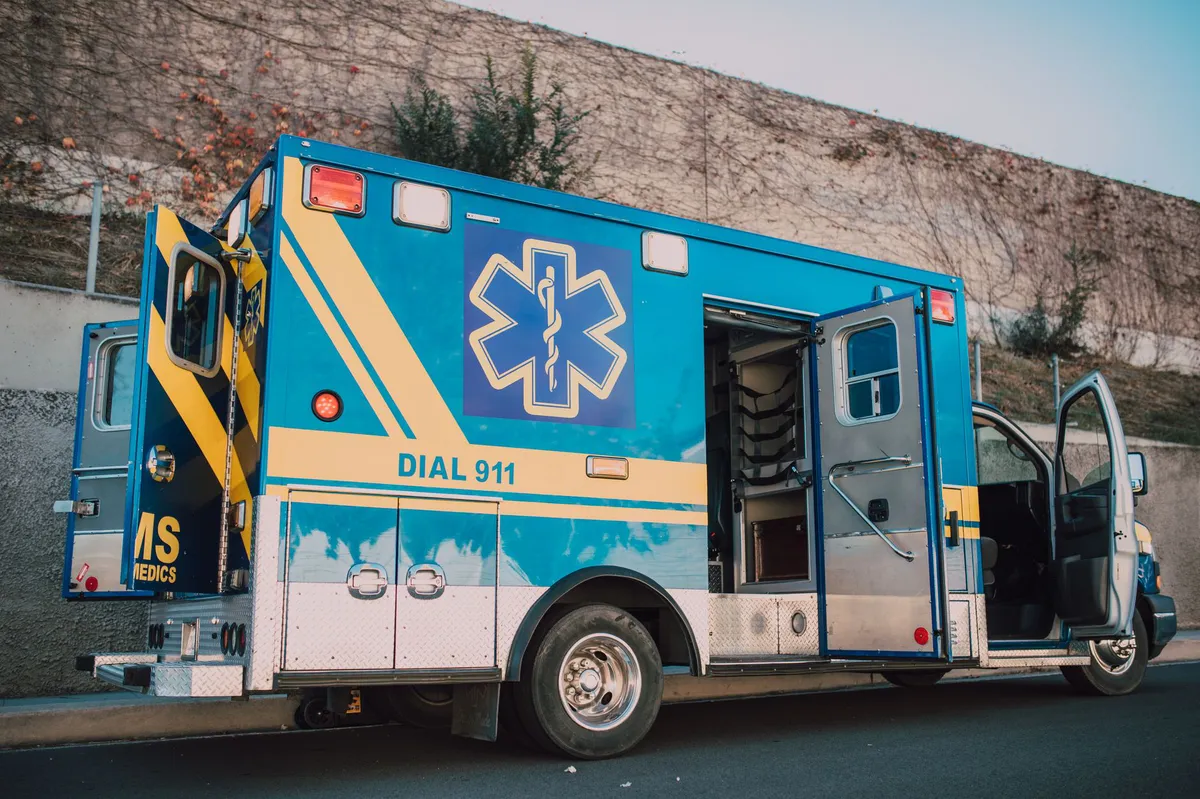
Such behaviors highlight a significant gap in the operational protocols of autonomous vehicles. The inability of these vehicles to adapt to critical situations could lead to dire consequences, not only for the individuals requiring assistance but also for the emergency personnel trying to provide that assistance.
Legislative Responses and Industry Implications
The proposed AV Emergency Response Coordination Act is a direct answer to these pressing concerns. During a recent press conference in San Francisco, where many autonomous vehicles are tested, Rep. Mullin outlined the key aspects of the bill. The legislation is designed to:
- Require autonomous vehicle companies to provide clear emergency protocols for first responders.
- Establish a 24-hour hotline for public officials to contact AV companies during emergencies.
- Mandate the National Highway Traffic Safety Administration (NHTSA) to develop minimum national emergency response standards.
- Allow public officials to implement geofencing on AVs, limiting their operational areas during emergencies.
The geofencing provision, in particular, could have profound implications for how robotaxis operate in urban settings. By enabling city officials to restrict where these vehicles can go during emergencies, it empowers local authorities to take immediate action rather than relying on the autonomous vehicle operators to self-regulate.
Waymo's Stance and Industry Readiness
In light of the legislative push, Waymo has publicly supported the establishment of federal standards for autonomous vehicles. The company emphasized its commitment to emergency response training and protocols, arguing that a standardized framework would benefit the entire industry and enhance cooperation with first responders. However, the question remains: are these measures sufficient to address the underlying issues?
Critics argue that while the proposed standards are a step in the right direction, they may not fully address the complexities of real-world emergencies. The autonomous vehicle industry must demonstrate its ability to adapt quickly and effectively to unexpected situations, and the efficacy of emergency protocols is paramount. The urgency for change is underscored by recent incidents, including a Fourth of July traffic jam exacerbated by Waymo vehicles running out of power and blocking key thoroughfares.

The Broader Impact on the Autonomous Vehicle Landscape
As the landscape of autonomous vehicle technology evolves, so too do the regulatory frameworks that govern it. The proposed legislation is reflective of a growing recognition among lawmakers and regulators that oversight is necessary to protect public safety. The implications of this scrutiny extend beyond just emergency response protocols; they encompass the entire operational framework of autonomous vehicles in the U.S.
Potential Changes to Operational Practices
Should the legislation pass, it could lead to significant changes in how autonomous vehicles are deployed and managed in urban areas. Some potential outcomes may include:
- A shift towards more rigorous training for AV operators on emergency protocols.
- Enhanced collaboration between AV companies and local emergency services to develop tailored response strategies.
- Implementation of new technologies to improve AV recognition of emergency signals and prevent obstructions.
These changes would not only enhance safety but also build public trust in autonomous vehicle technology. As cities become more reliant on these systems for transportation, ensuring they do not impede emergency services is essential for community safety and well-being.

Key Takeaways
- Autonomous vehicles face increasing scrutiny over emergency response failures.
- The AV Emergency Response Coordination Act aims to establish national safety standards.
- Geofencing provisions could empower public officials to manage AV operations during emergencies.
- Waymo supports the establishment of standardized emergency protocols but faces criticism for past failures.
- The legislation reflects a broader trend towards increased regulation of autonomous vehicle technology.
Frequently Asked Questions
What specific incidents have raised concerns about autonomous vehicles and emergency responders?
There have been multiple incidents where autonomous vehicles, particularly those operated by Waymo, have obstructed emergency responders. Notable examples include blocking access to fire trucks and ambulances, entering active crime scenes, and failing to recognize critical safety signals such as traffic cones and flares. These events have prompted lawmakers to push for stricter regulations and safety standards.
What does the proposed AV Emergency Response Coordination Act entail?
The AV Emergency Response Coordination Act proposes to establish minimum national safety standards for autonomous vehicle operators. Key provisions include requiring companies to develop clear emergency protocols, creating a 24-hour hotline for public officials, and allowing geofencing to restrict AV operations during emergencies. The goal is to ensure that autonomous vehicles do not hinder emergency services and prioritize public safety.
How might the proposed legislation impact the operation of autonomous vehicles in urban areas?
If passed, the legislation could lead to significant changes in how autonomous vehicles are deployed within cities. Enhanced training for operators on emergency response, increased collaboration with local emergency services, and improved technology for recognizing emergency signals could all be outcomes of the new regulations. Ultimately, these changes aim to improve safety and build public trust in autonomous vehicle technology.
What is Waymo's response to the growing scrutiny and proposed legislation?
Waymo has expressed support for the establishment of a federal framework for autonomous vehicle standards. The company asserts that it has long prioritized emergency response training and protocols. However, it faces criticism for its past actions, and the effectiveness of its emergency measures is under scrutiny as lawmakers call for more robust regulations and accountability.
Comments
eBay's $56M Settlement: A Deep Dive into Corporate Harassment and Accountability
eBay has settled a significant lawsuit for $56 million with the Steiners, victims of a bizarre harassment campaign by former executives. This article explores the implications of this case for corporate ethics and journalism.

Related articles







Popular in Cybersecurity
- Federal Mandate for Autonomous Vehicles: A Call for Safety Compliance
- EU Mandates Google to Share Data and Open AI on Android: What It Means
- GitHub Revamps Bug Bounty Program: Implications for Developers and Security
- Australian Government Disables Thousands of Functional Broadband Routers: A Wasteful Decision
- Exploiting Redis: Understanding Zero-Day Vulnerabilities and Their Mitigation