Harnessing AI in Cybersecurity: Microsoft’s New Model and Best Practices
Microsoft's latest AI-driven cybersecurity model achieves remarkable results, scoring 95.95% in threat detection at half the typical cost. This article explores the implications for businesses and outlines steps to bolster your cybersecurity posture.
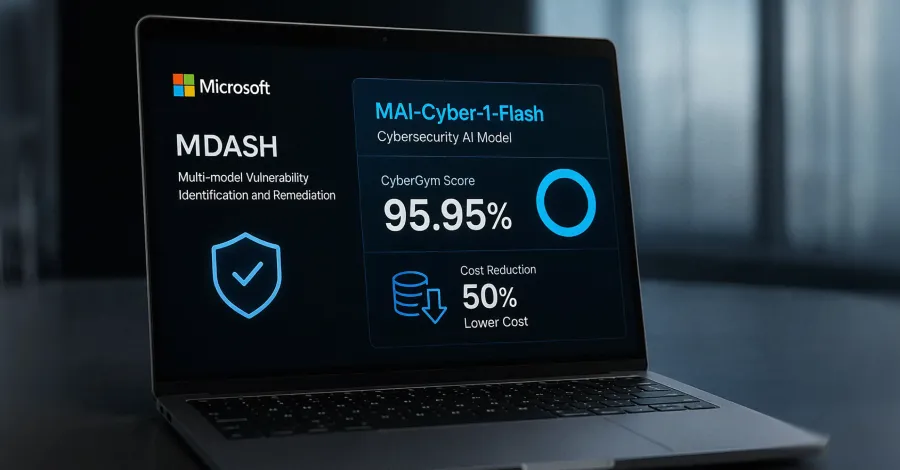
In an era where cyber threats are becoming increasingly sophisticated, organizations are turning to artificial intelligence (AI) to enhance their cybersecurity measures. Microsoft recently announced a groundbreaking AI-driven cybersecurity model that has achieved an impressive 95.95% score in threat detection accuracy, all while reducing costs by half compared to traditional methods. This development not only highlights the potential of AI in combating cybersecurity threats but also raises essential questions about how businesses can effectively implement these technologies to safeguard their operations.
The urgency for robust cybersecurity solutions is underscored by the growing number of cyberattacks targeting businesses of all sizes. From ransomware incidents to data breaches, the costs associated with these attacks are skyrocketing. According to a report from Cybersecurity Ventures, global cybercrime damages are expected to reach $10.5 trillion annually by 2025. Therefore, understanding how AI models like Microsoft’s can enhance security measures is crucial for organizations looking to protect their assets and maintain trust among their customers.
Understanding Microsoft’s AI Cybersecurity Model
Microsoft's new AI cybersecurity model is designed to counteract a wide array of cyber threats by leveraging machine learning algorithms and extensive datasets. The model utilizes predictive analytics to identify potential threats before they can cause harm, allowing organizations to respond proactively rather than reactively.
How the Model Works
The model employs a combination of supervised and unsupervised learning techniques to analyze patterns in user behavior and network traffic. It continually learns from new data inputs, enhancing its ability to detect anomalies over time. As a result, organizations can benefit from:
- Increased Detection Rates: The model’s 95.95% accuracy means fewer false positives and negatives, enabling security teams to focus on genuine threats.
- Cost Efficiency: By reducing operational costs by half, businesses can allocate resources to other critical areas, such as employee training and infrastructure upgrades.
- Scalability: The AI model can easily scale with the organization’s growth, adapting to new threats as they emerge.

The Importance of AI in Cybersecurity
AI enhances cybersecurity in several ways, making it an essential tool for modern businesses. With the rising complexity of cyber threats, traditional security measures often fall short. AI provides capabilities that allow for:
Real-Time Threat Detection
AI systems can analyze vast amounts of data in real-time, enabling them to identify threats as they occur. This immediacy is crucial for preventing data breaches and minimizing damage.
Predictive Analysis
By studying patterns over time, AI can predict where threats are likely to arise, allowing organizations to bolster defenses in those areas proactively.
Human Error Mitigation
Many cyber incidents stem from human error, such as weak passwords or falling for phishing scams. AI can automate responses to certain threats, reducing the potential for human error.
Steps to Secure Against Software Vulnerabilities
While AI can significantly enhance security measures, organizations must also take proactive steps to address software vulnerabilities. Here are five essential practices to protect against threats:
1. Regular Software Updates
Keeping software up-to-date ensures that known vulnerabilities are patched. Cybercriminals often exploit outdated software, making timely updates critical.
2. Employee Training
Investing in regular training for employees on security best practices can help reduce the risk of human error. This includes education on recognizing phishing attempts and the importance of strong passwords.
3. Vulnerability Assessments
Conducting regular vulnerability assessments can help identify weaknesses in your systems. This proactive approach allows organizations to address issues before they can be exploited.
4. Access Controls
Implementing strict access controls ensures that only authorized personnel can access sensitive information. This limits the potential for insider threats.
5. Incident Response Plan
Having a well-defined incident response plan is essential for minimizing damage in the event of a breach. This plan should include steps for containment, eradication, and recovery.
Key Takeaways
- Microsoft’s AI cybersecurity model achieves a 95.95% accuracy rate while cutting costs by half.
- AI provides real-time threat detection, predictive analysis, and reduces human error.
- Organizations must implement regular software updates and employee training to safeguard against vulnerabilities.
Frequently Asked Questions
What types of threats can Microsoft’s AI model detect?
Microsoft’s AI model is designed to detect a wide range of cyber threats, including malware, phishing attempts, and unauthorized access. Its machine learning capabilities enable it to adapt and learn from new threats, ensuring ongoing protection against evolving cyber risks.
How can small businesses benefit from AI in cybersecurity?
Small businesses often lack the resources for extensive cybersecurity measures. AI can provide cost-effective solutions that enhance their security posture without requiring large teams of cybersecurity experts. By leveraging AI tools, small businesses can achieve high levels of threat detection and response times that were previously only accessible to larger organizations.
What should organizations do if they experience a data breach?
In the event of a data breach, organizations should immediately activate their incident response plan. This includes identifying the breach's scope, notifying affected parties, and taking steps to contain the threat. Post-incident, organizations should conduct a thorough analysis to understand the breach's causes and implement measures to prevent future occurrences.
Comments
eBay's $56M Settlement: A Deep Dive into Corporate Harassment and Accountability
eBay has settled a significant lawsuit for $56 million with the Steiners, victims of a bizarre harassment campaign by former executives. This article explores the implications of this case for corporate ethics and journalism.

Related articles





Popular in Cybersecurity
- Federal Mandate for Autonomous Vehicles: A Call for Safety Compliance
- EU Mandates Google to Share Data and Open AI on Android: What It Means
- GitHub Revamps Bug Bounty Program: Implications for Developers and Security
- Australian Government Disables Thousands of Functional Broadband Routers: A Wasteful Decision
- Exploiting Redis: Understanding Zero-Day Vulnerabilities and Their Mitigation