Harnessing AI for Cybersecurity: Mitigating Linux Vulnerabilities
As AI continues to evolve, its role in identifying and exploiting vulnerabilities has grown. This article explores how organizations can leverage AI for enhanced cybersecurity while addressing potential risks.
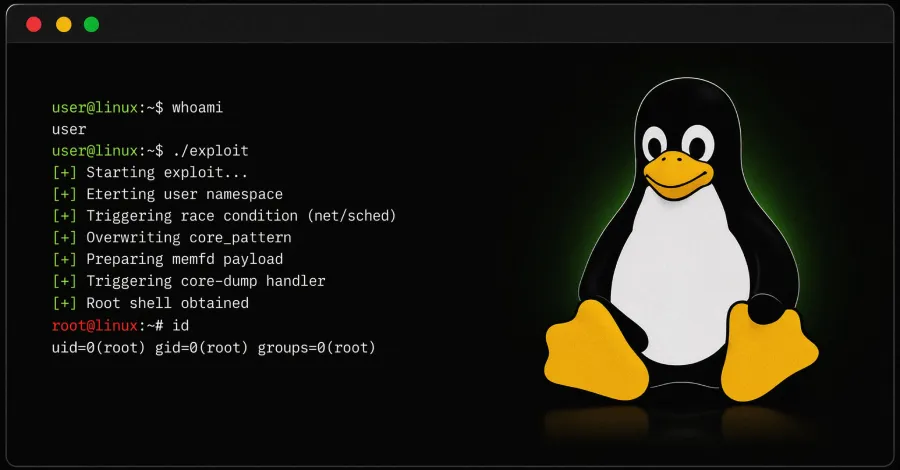
The application of artificial intelligence (AI) has revolutionized various sectors, and cybersecurity is no exception. Recent developments have highlighted how AI can identify, exploit, and ultimately help mitigate vulnerabilities in software systems, particularly within the Linux operating environment. As AI tools become more sophisticated, they can both assist in finding security flaws and, conversely, pose significant risks if misused. Understanding this duality is crucial for organizations looking to enhance their cybersecurity posture while protecting against emerging threats.
In a recent study, researchers indicated that AI played a critical role in the development of a Linux traffic-control race condition that escalated into a root exploit. This exploit allowed unauthorized access to system resources, showcasing a concerning capability of AI to not only find but also exploit weaknesses in widely used software. As these technologies evolve, organizations must be proactive in securing their infrastructures against such vulnerabilities.
The Rising Threat of AI in Cybersecurity
Artificial intelligence has become a double-edged sword in cybersecurity. On one hand, AI algorithms can analyze vast amounts of data to identify patterns that indicate potential security threats. On the other hand, the same technology can be employed by malicious actors to uncover and exploit vulnerabilities within systems, such as Linux.
Understanding the Linux Vulnerability Landscape
Linux is known for its robust security features, yet it is not immune to vulnerabilities. The recent AI-assisted discovery of a traffic-control race condition exemplifies this. A race condition occurs when the timing of events affects the system's behavior, potentially allowing attackers to gain root access, which is the highest level of permission in Linux systems.
- Root Access: Allows complete control over the system.
- Traffic Control: Manages network bandwidth allocation.
- AI Exploits: Automated tools can quickly identify weaknesses.
- Patch Management: Regular updates are essential to mitigate risks.
The implications are significant, as organizations relying on Linux for critical operations may find themselves vulnerable to attacks that exploit such weaknesses. Understanding how these vulnerabilities are identified and exploited is key for developing effective countermeasures.

Five Steps to Secure Against AI-Discovered Vulnerabilities
To bolster defenses against potential exploits facilitated by AI, organizations should adopt a multi-faceted approach to cybersecurity. Here are five actionable steps to consider:
1. Implement Regular Security Audits
Conducting regular security audits can help identify potential vulnerabilities within your systems before they can be exploited. Audits should include checks for outdated software, misconfigurations, and compliance with security best practices.
2. Embrace AI-Powered Security Tools
Utilizing AI-driven security tools can enhance your ability to detect and respond to threats. These tools can analyze network traffic, identify anomalies, and provide real-time alerts, thus allowing for swift action against potential attacks.
3. Maintain Up-to-Date Software
Keeping all software, including the Linux operating system, up to date is crucial. Software vendors frequently release patches to fix known vulnerabilities, and failing to apply these updates can leave systems open to exploitation.
4. Train Employees on Cybersecurity Best Practices
Human error remains a significant factor in cybersecurity breaches. Regular training sessions focused on recognizing phishing attempts, secure password management, and safe browsing practices can help mitigate this risk.
5. Develop an Incident Response Plan
An effective incident response plan is vital for minimizing damage in the event of a security breach. This plan should outline the steps to take when a vulnerability is exploited, including communication protocols and recovery procedures.

Why This Matters for Businesses
As businesses increasingly rely on digital infrastructure, the stakes for cybersecurity have never been higher. The rise of AI in both the identification and exploitation of vulnerabilities means that organizations must remain vigilant. A successful exploit could lead to significant financial losses, compromised sensitive data, and damage to reputation.
Moreover, regulatory bodies are placing greater emphasis on cybersecurity compliance. Organizations must adhere to frameworks such as the GDPR or HIPAA, which require stringent data protection measures. Failure to comply can result in hefty fines and legal repercussions.

Key Takeaways
- AI can both enhance and undermine cybersecurity efforts.
- Linux vulnerabilities, like the recent root exploit, pose serious risks.
- Regular audits and up-to-date software are essential for security.
- Employee training can mitigate human error in cybersecurity.
- An incident response plan is crucial for effective crisis management.
Frequently Asked Questions
What is a root exploit?
A root exploit refers to a vulnerability that allows an attacker to gain root-level access to a system. This level of access provides complete control over the operating system, enabling the attacker to modify system files, install malicious software, or exfiltrate sensitive data. Root exploits are particularly dangerous because they can undermine all other security measures in place.
How does AI identify vulnerabilities?
AI identifies vulnerabilities by analyzing large datasets to detect patterns that indicate potential security flaws. Machine learning algorithms can be trained on historical data regarding known vulnerabilities, allowing them to recognize similar patterns in current software systems. This capability enables faster and more efficient vulnerability assessments compared to traditional methods.
Why is employee training important in cybersecurity?
Employee training is critical because many cybersecurity breaches occur due to human error, such as falling for phishing scams or using weak passwords. By educating employees on security best practices and potential threats, organizations can significantly reduce their risk of a breach and enhance their overall security posture.
What steps should I take if my organization suffers a breach?
If your organization suffers a breach, the first step is to implement your incident response plan. This typically includes isolating affected systems, assessing the extent of the breach, and notifying relevant stakeholders. It is also essential to conduct a thorough investigation to understand how the breach occurred and to develop strategies to prevent future incidents.
Comments
eBay's $56M Settlement: A Deep Dive into Corporate Harassment and Accountability
eBay has settled a significant lawsuit for $56 million with the Steiners, victims of a bizarre harassment campaign by former executives. This article explores the implications of this case for corporate ethics and journalism.

Related articles







Popular in Cybersecurity
- Federal Mandate for Autonomous Vehicles: A Call for Safety Compliance
- EU Mandates Google to Share Data and Open AI on Android: What It Means
- GitHub Revamps Bug Bounty Program: Implications for Developers and Security
- Australian Government Disables Thousands of Functional Broadband Routers: A Wasteful Decision
- Exploiting Redis: Understanding Zero-Day Vulnerabilities and Their Mitigation