How a Cyclospora Outbreak is Shaking Confidence in Fresh Produce
A recent Cyclospora outbreak linked to fresh produce has led to a significant decline in Americans' consumption of fruits and vegetables. As the FDA investigates, critics highlight failures in food safety management.

In a troubling turn of events, a recent outbreak of Cyclospora infections has left a significant mark on Americans' dietary choices, with a staggering 40% of the population reportedly avoiding fresh fruits and vegetables. This outbreak, which has affected over 11,500 individuals across 41 states, has posed serious questions not only about food safety but also about the current administration's handling of nutrition guidance. As the Food and Drug Administration (FDA) investigates multiple outbreaks linked to contaminated produce, the call for enhanced food safety measures has never been more urgent.
For many, the push for healthier eating has been undermined by the fear of illness associated with 'real food.' The irony is palpable: as advocates promote the consumption of fresh produce for its health benefits, a burgeoning crisis threatens to drive consumers back to processed foods. This situation raises critical concerns about the interconnectedness of nutrition and food safety, as well as the effectiveness of current policies aimed at protecting public health.
The Cyclospora Outbreak: A Growing Concern
Cyclospora cayetanensis, a unicellular parasite, has been responsible for a surge in foodborne illnesses across the United States. The Centers for Disease Control and Prevention (CDC) has reported more than 11,500 confirmed and probable cases of Cyclospora infections, with over 300 hospitalizations attributed to the outbreaks. The parasite is typically transmitted through contaminated food or water and has been linked to various produce items, including leafy greens, fresh herbs, and berries.
One of the most significant outbreaks has been traced back to Taylor Farms’ iceberg lettuce, which was distributed to several fast-food chains, including Taco Bell. This outbreak has expanded rapidly, affecting nine states and contributing to the alarming rise in cases. Michigan alone has reported 9,253 cases as of late July 2026, highlighting the severity of the situation. Meanwhile, other outbreaks remain without identified sources, complicating efforts to contain the spread.
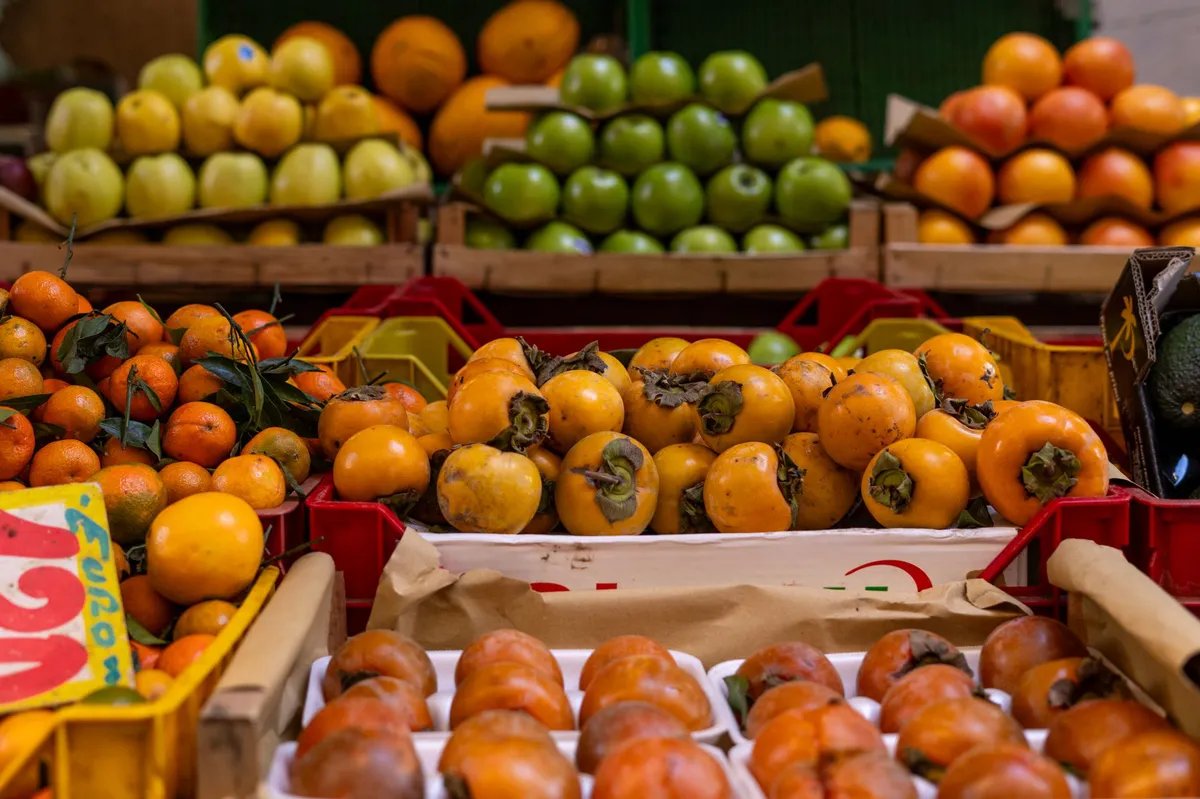
Consumer Confidence in Fresh Produce Dwindles
As the outbreak unfolded, consumer sentiment towards fresh produce plummeted. A recent CBS News poll revealed that approximately 40% of Americans are now purchasing or consuming less fresh produce due to fears of contamination. In stark contrast, only 4% of respondents indicated they were following the guidance of public health officials, which encourages the consumption of more fruits and vegetables.
This dramatic shift in consumer behavior presents a significant challenge to public health advocates, including Health Secretary Robert F. Kennedy Jr. Kennedy has promoted a movement titled “Make America Healthy Again,” urging Americans to embrace a diet rich in fresh foods. However, the current crisis raises questions about the effectiveness of this initiative when significant food safety issues remain unresolved.
The Role of Federal Agencies in Food Safety
The management of foodborne illness outbreaks falls primarily under the purview of the FDA and CDC. However, both agencies have faced severe budget cuts and staffing reductions in recent years, raising concerns about their capacity to respond effectively to such crises. Reports indicate that the CDC has lost about 25% of its workforce, while the FDA has seen a reduction of approximately 20%.
These cuts have had tangible consequences for food safety oversight. Critics have pointed out that the FDA's decision to delay a new food traceability rule, designed to streamline the identification and removal of contaminated foods, has hampered efforts to prevent outbreaks like the current Cyclospora crisis. Frank Yiannas, former deputy commissioner for food policy and response at the FDA, has called for an independent investigation into the government’s handling of the outbreak, citing “catastrophic” mismanagement.
Public Health Implications and Nutritional Trade-offs
The consequences of the Cyclospora outbreak extend far beyond immediate health concerns; they have profound implications for public health policy and consumer behavior. In a recent op-ed, former FDA official Susan Mayne emphasized the need for a balanced approach to nutrition that does not compromise food safety. She noted that many consumers are now turning to processed foods, which they perceive as safer options, even as these foods are less nutritious.
Mayne’s remarks underscore a critical point: consumers should not have to choose between health and safety. The rise in processed food consumption may ultimately lead to increased health issues down the line, as these foods typically contain higher levels of sodium, sugar, and unhealthy fats. As one social media user quipped, “Oreos never gave me explosive diarrhea,” reflecting the growing sentiment that consumers feel safer with processed foods than with fresh produce.

A Call for Immediate Action
The current outbreak serves as a wake-up call for federal agencies, policymakers, and the public. It is clear that robust food safety measures must be reinstated to restore consumer confidence in fresh produce. Public health officials must prioritize the development and implementation of effective policies that ensure the safety of food supply chains.
Moreover, consumers need clear guidance on safely incorporating fruits and vegetables into their diets while mitigating risks associated with foodborne illnesses. This includes educating the public about safe food handling practices, awareness of contamination sources, and supporting initiatives that promote the traceability of food products from farm to table.

Key Takeaways
- 40% of Americans are now consuming less fresh produce due to the Cyclospora outbreak.
- More than 11,500 cases of Cyclospora infections have been reported across 41 states.
- The outbreak has been linked to contaminated iceberg lettuce from Taylor Farms.
- Critics are calling for improved food safety measures after significant cuts to the FDA and CDC.
- The public must be educated about safe food handling and awareness of contamination risks.
Frequently Asked Questions
What is Cyclospora and how does it affect humans?
Cyclospora cayetanensis is a microscopic parasite that infects humans, primarily through the consumption of contaminated food or water. Symptoms of infection can include severe diarrhea, stomach cramps, nausea, and fatigue. The effects can be particularly severe in vulnerable populations, such as the elderly or immunocompromised individuals, necessitating hospitalization in some cases.
How can consumers ensure the safety of their produce?
To reduce the risk of foodborne illness, consumers should wash all fruits and vegetables thoroughly under running water, even if they plan to peel them. It is also advisable to purchase produce from reputable sources and to stay informed about any recalls or outbreaks related to specific items. Keeping produce refrigerated and consuming it within a reasonable time frame can further minimize risk.
What role do government agencies play in food safety?
The FDA and CDC are responsible for monitoring food safety and public health. They conduct investigations into foodborne illness outbreaks, enforce regulations to ensure the safety of the food supply, and provide guidance to consumers. However, their effectiveness can be compromised by budget cuts and staffing shortages, as seen in the recent response to the Cyclospora outbreak.
Comments
Google and Reddit's DMCA Battle: Implications for the Open Web
A recent court ruling has major implications for how DMCA is applied in the fight against web scraping, particularly for Google and Reddit. This article explores the ramifications for content ownership, AI development, and the future of open web access.

Related articles







Popular in Cybersecurity
- Federal Mandate for Autonomous Vehicles: A Call for Safety Compliance
- EU Mandates Google to Share Data and Open AI on Android: What It Means
- GitHub Revamps Bug Bounty Program: Implications for Developers and Security
- Australian Government Disables Thousands of Functional Broadband Routers: A Wasteful Decision
- Exploiting Redis: Understanding Zero-Day Vulnerabilities and Their Mitigation