GitHub Introduces Dependabot Cooldown: A New Era in Software Security
GitHub's new three-day cooldown feature for Dependabot aims to combat the risks associated with poisoned package adoption. This article explores its implications and best practices for software security.
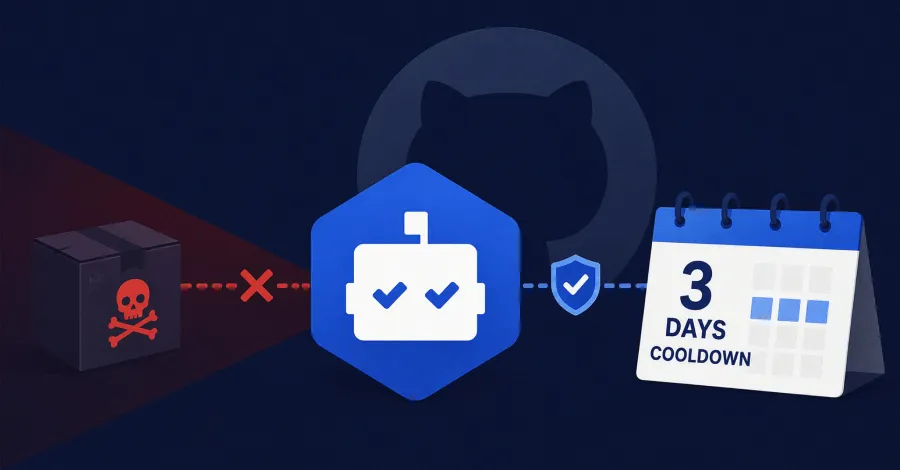
In a landscape increasingly threatened by software vulnerabilities and malicious packages, GitHub has taken a significant step forward in bolstering its security features. The introduction of a three-day cooldown for Dependabot alerts is designed to limit the risks associated with the adoption of poisoned packages. This feature not only aims to protect developers but also reflects a broader shift within the tech community towards proactive security measures. As organizations continue to integrate AI and automation into their software development practices, understanding these changes becomes essential for safeguarding digital assets.
Dependabot, a popular tool that helps developers manage dependencies in their codebase by automatically suggesting updates, has become an integral part of many development workflows. However, the very convenience it offers can also be a double-edged sword. Recent incidents have highlighted how quickly harmful packages can infiltrate projects, posing serious risks to application integrity and user data. GitHub's three-day cooldown aims to create a buffer zone, allowing developers to thoroughly evaluate suggested updates before integrating them into their systems.
Understanding the Dependabot Cooldown
The three-day cooldown period introduced by GitHub requires developers to wait 72 hours after receiving a Dependabot alert before they can adopt the suggested changes. This strategic delay allows developers to conduct comprehensive assessments of the recommended updates, thereby mitigating the risk of inadvertently introducing harmful code into their projects. During this time, developers can:
- Review the security context of the dependencies in question.
- Consult with team members or security experts regarding the potential impacts.
- Monitor for any emerging information about the suggested package updates that may indicate risks.
The Importance of Proactive Security Measures
As software development becomes increasingly reliant on third-party packages, the potential for introducing vulnerabilities grows. A study by the Cybersecurity and Infrastructure Security Agency (CISA) revealed that approximately 90% of software applications contain open-source components, highlighting the significance of maintaining secure dependencies. By implementing the Dependabot cooldown, GitHub is encouraging a culture of diligence among developers, reinforcing the importance of scrutinizing updates rather than accepting them at face value.
Furthermore, this move aligns with best practices in the cybersecurity landscape. As organizations adopt more complex architectures—often characterized by microservices and cloud-based solutions—the attack surface expands, leading to more opportunities for exploits. Hence, proactive measures like cooldown periods serve as critical checkpoints to enhance security postures.

Integrating AI in Cybersecurity
Artificial intelligence is transforming the cybersecurity landscape, with a growing number of organizations leveraging AI models for threat detection and vulnerability management. These models can analyze vast amounts of data, identifying patterns and anomalies that may indicate security threats. However, while AI offers significant advantages, it also introduces new challenges. For instance, the very algorithms that enhance security can themselves be exploited if not properly managed.
To secure against vulnerabilities discovered by AI models, organizations should consider implementing the following steps:
- Regularly update AI algorithms: Ensure that AI models are continuously trained with the latest data to enhance their accuracy in identifying threats.
- Conduct thorough audits: Regularly assess both AI systems and the software they protect to uncover potential weaknesses.
- Establish clear governance: Create policies and procedures that dictate how AI systems handle security threats, including response protocols.
- Maintain human oversight: While AI can significantly enhance security measures, human expertise remains crucial for interpreting results and making informed decisions.

The Impact on Developers and Organizations
The introduction of a cooldown period by GitHub is poised to affect developers and organizations in various ways. For developers, this change can lead to a more cautious approach towards dependency management, encouraging them to think critically about the packages they incorporate into their projects. This mindset shift can foster a culture of security awareness that permeates throughout the software development lifecycle.
Organizations, on the other hand, may need to adjust their workflows to accommodate these new security protocols. While the cooldown may initially slow down the pace of updates, the long-term benefits of reduced vulnerabilities and enhanced security will outweigh any temporary delays. By investing in a more secure development process, organizations can protect their assets and maintain user trust.
Key Takeaways
- GitHub's three-day Dependabot cooldown aims to minimize the risks of adopting poisoned packages.
- Proactive security measures are essential in today's software development landscape.
- Integrating AI in cybersecurity offers both opportunities and challenges that organizations must navigate.
- Developers and organizations must adapt their workflows to embrace security-first practices.
Frequently Asked Questions
What is Dependabot and how does it work?
Dependabot is a tool by GitHub that helps developers keep their software dependencies up to date by automatically suggesting updates for libraries and packages. It checks for outdated dependencies and known vulnerabilities, notifying developers when an update is needed. This automation streamlines the process of maintaining application security but can also lead to risks if updates are not carefully evaluated.
Why is the cooldown period necessary?
The three-day cooldown period is designed to give developers time to assess the security implications of adopting new package updates. This delay allows teams to conduct thorough reviews and discussions, reducing the likelihood of inadvertently introducing vulnerabilities through hastily accepted changes.
How can organizations enhance their software security posture?
Organizations can enhance their software security posture by adopting proactive measures such as implementing cooldown periods for updates, regularly auditing their dependencies, and leveraging AI for threat detection. Additionally, fostering a culture of security awareness among developers and ensuring that there is human oversight in AI systems are critical for maintaining robust security practices.
What role does AI play in cybersecurity?
AI plays a transformative role in cybersecurity by enabling organizations to analyze vast datasets for identifying threats and vulnerabilities. While AI can enhance detection and response capabilities, it also presents challenges that require careful management, including the potential for adversaries to exploit AI systems. Organizations must strike a balance between leveraging AI's advantages while implementing safeguards to mitigate associated risks.
Comments
Google and Reddit's DMCA Battle: Implications for the Open Web
A recent court ruling has major implications for how DMCA is applied in the fight against web scraping, particularly for Google and Reddit. This article explores the ramifications for content ownership, AI development, and the future of open web access.

Related articles







Popular in Cybersecurity
- Federal Mandate for Autonomous Vehicles: A Call for Safety Compliance
- EU Mandates Google to Share Data and Open AI on Android: What It Means
- GitHub Revamps Bug Bounty Program: Implications for Developers and Security
- Australian Government Disables Thousands of Functional Broadband Routers: A Wasteful Decision
- Exploiting Redis: Understanding Zero-Day Vulnerabilities and Their Mitigation