Microsoft Unveils Innovative Cybersecurity Model and Platform
Microsoft has launched MAI-Cyber-1-Flash, its first cybersecurity model, alongside the Perception platform, setting new standards in AI-driven security solutions.
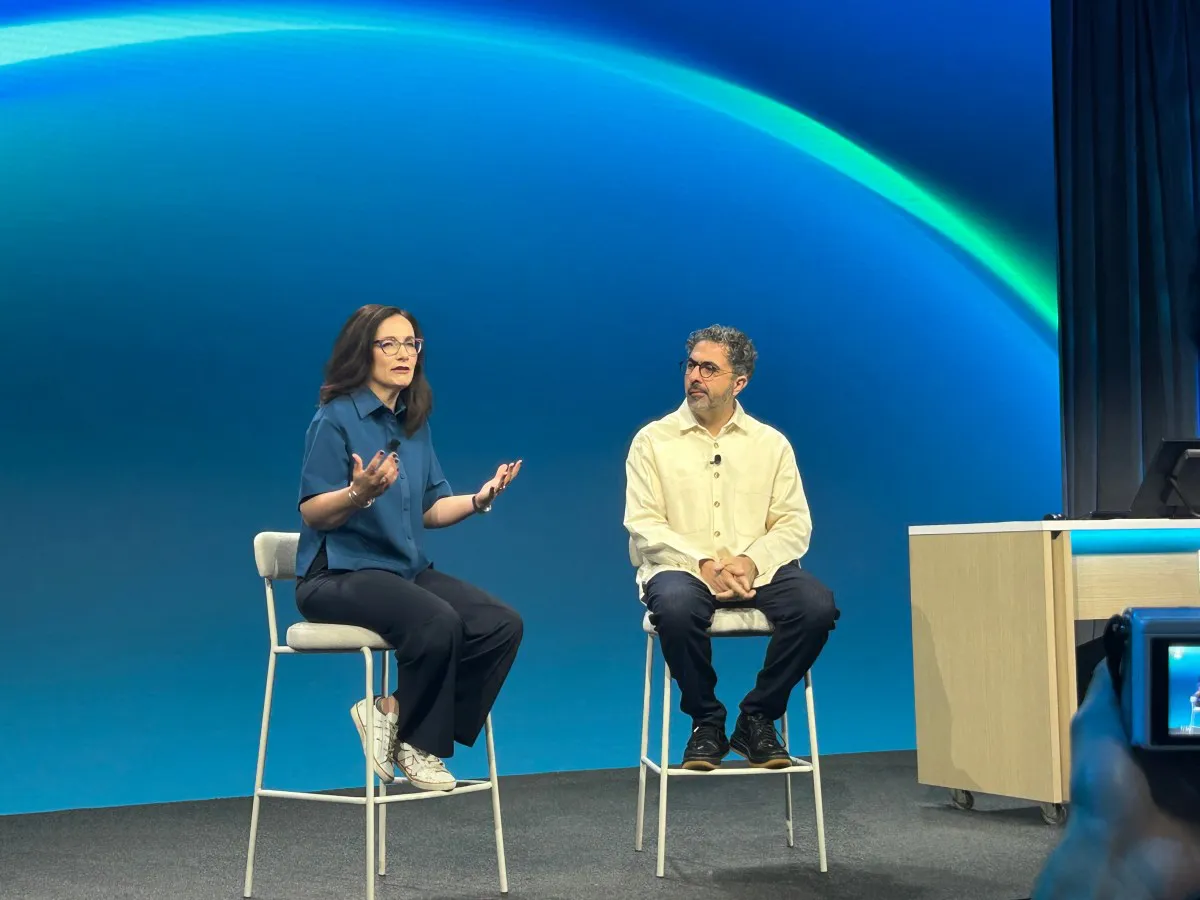
In an era where cyber threats are increasingly sophisticated, Microsoft has made a bold entrance into the cybersecurity space with the launch of its first specialized model, MAI-Cyber-1-Flash, and a groundbreaking platform named Perception. Unveiled at a recent event in San Francisco, this development positions Microsoft as a strong contender in the competitive landscape of AI-driven cybersecurity solutions, taking direct aim at established players such as Anthropic and OpenAI.
The MAI-Cyber-1-Flash model is engineered to uncover vulnerabilities within complex codebases, demonstrating a significant leap in the capabilities of AI in cybersecurity. By integrating this model with MDASH, Microsoft’s existing framework dedicated to software vulnerability identification, the company aims to enhance the efficiency and effectiveness of security protocols in businesses across various sectors.
Understanding MAI-Cyber-1-Flash
Microsoft's MAI-Cyber-1-Flash model is touted as a revolutionary tool that not only identifies vulnerabilities but also provides actionable insights for remediation. The model's capabilities were highlighted by Mustafa Suleyman, CEO of Microsoft AI, who emphasized its superior performance on the Cyber Gym benchmark, a recognized standard in AI cybersecurity.
Key Features of MAI-Cyber-1-Flash
- Advanced Vulnerability Detection: The model is designed to efficiently detect and analyze security flaws in intricate code structures, making it a valuable asset for software development teams.
- Cost-Effective Solution: According to Microsoft, MAI-Cyber-1-Flash outperforms competitors not only in capabilities but also in cost efficiency, potentially saving organizations significant resources in security expenditures.
- Integration with MDASH: This synergy allows for seamless vulnerability management, providing a unified approach to security across different stages of software development.

The Perception Platform: A New Era of Automated Security
Alongside MAI-Cyber-1-Flash, Microsoft introduced the Perception platform, a robust system designed to automate various security workflows. This platform utilizes agentic teams, which consist of red, blue, and green teams, to cover different aspects of cybersecurity, from simulations of potential attacks to real-time bug detection and remediation.
How Perception Works
The operational framework of Perception is both innovative and practical:
- Red Teams: These teams simulate potential cyberattacks, providing insights into threat actors and the vulnerabilities they may exploit.
- Blue Teams: Focused on detection, these teams monitor systems for existing bugs and prioritize them for remediation.
- Green Teams: tasked with taking corrective actions against detected vulnerabilities, ensuring that fixes are not only identified but implemented swiftly.

The Implications of AI in Cybersecurity
The advent of AI-driven tools like MAI-Cyber-1-Flash and the Perception platform comes at a critical time when cybercriminals are increasingly leveraging AI to enhance their attack strategies. Hayete Gallot, Microsoft’s VP of security, noted that defenders must now employ AI technologies to match the scale and speed of evolving threats.
The Arms Race in Cybersecurity
As AI capabilities expand, so too do the tactics employed by cybercriminals. Organizations must not only invest in advanced defensive technologies but also remain vigilant against new forms of attacks that exploit AI vulnerabilities:
- Phishing Attacks: AI can be used to craft highly personalized and convincing phishing emails, increasing the likelihood of successful breaches.
- Automated Exploits: Cybercriminals are utilizing AI to automate the discovery of vulnerabilities in software, allowing for rapid and widespread attacks.
- Data Exfiltration: AI-driven tools can facilitate the extraction of sensitive data from compromised systems with minimal detection.

Market Context and Competitive Landscape
Microsoft’s foray into AI cybersecurity solutions positions the company against a backdrop of growing competition. Earlier this year, Anthropic launched its own security platform, Mythos, while OpenAI's Daybreak is also making waves in this arena. The increasing number of players underscores the escalating demand for effective cybersecurity solutions as organizations grapple with the ever-evolving threat landscape.
What This Means for Businesses
For businesses, the introduction of Microsoft’s MAI-Cyber-1-Flash and Perception platform represents a significant opportunity to enhance their cybersecurity posture. Integrating these advanced tools can lead to:
- Greater Efficiency: Automated workflows reduce the manual labor involved in identifying and fixing vulnerabilities.
- Enhanced Security: The proactive approach to threat simulation and detection can mitigate risks before they lead to breaches.
- Cost Savings: By streamlining processes and improving response times, organizations can potentially lower their overall security expenditures.

Key Takeaways
- Microsoft has launched MAI-Cyber-1-Flash, a specialized AI model for cybersecurity.
- The Perception platform automates security workflows using red, blue, and green teams.
- AI is becoming a critical tool for both attackers and defenders in the cybersecurity landscape.
- Businesses can enhance their security and efficiency by adopting these new technologies.
- Competition in the AI cybersecurity market is intensifying, with multiple players entering the field.
Frequently Asked Questions
What is MAI-Cyber-1-Flash?
MAI-Cyber-1-Flash is Microsoft’s first specialized AI model for cybersecurity, designed to detect vulnerabilities in complex codebases. It integrates with MDASH and aims to improve the efficiency of vulnerability identification and remediation processes, providing significant advantages over competitor models.
How does the Perception platform work?
The Perception platform employs a team-based approach to cybersecurity, utilizing red teams for attack simulations, blue teams for detection and triage, and green teams for remediation. This structure allows organizations to address security threats more comprehensively and efficiently, reducing the time and resources required for traditional security workflows.
Why is AI important in cybersecurity?
AI is crucial in cybersecurity as it enhances the ability to detect and respond to threats quickly and effectively. As cybercriminals increasingly exploit AI technologies to execute sophisticated attacks, defenders must leverage AI to maintain a competitive edge in threat detection and mitigation.
What should businesses do to prepare for these advancements?
Businesses should evaluate their current cybersecurity strategies and consider integrating AI-driven tools like Microsoft’s MAI-Cyber-1-Flash and Perception platform. Investing in training for security teams and developing robust incident response plans will also be essential to fully leverage the benefits of these advanced technologies.
Comments
Google and Reddit's DMCA Battle: Implications for the Open Web
A recent court ruling has major implications for how DMCA is applied in the fight against web scraping, particularly for Google and Reddit. This article explores the ramifications for content ownership, AI development, and the future of open web access.
Related articles






Popular in Cybersecurity
- Federal Mandate for Autonomous Vehicles: A Call for Safety Compliance
- EU Mandates Google to Share Data and Open AI on Android: What It Means
- GitHub Revamps Bug Bounty Program: Implications for Developers and Security
- Australian Government Disables Thousands of Functional Broadband Routers: A Wasteful Decision
- Exploiting Redis: Understanding Zero-Day Vulnerabilities and Their Mitigation