The Implications of Dropped Social Media Addiction Lawsuit Against Meta
A recent social media addiction lawsuit against Meta has been dropped, following a tentative settlement involving Snap and other tech companies. This decision raises questions about accountability in the tech industry and the measures companies take to mitigate addictive features.
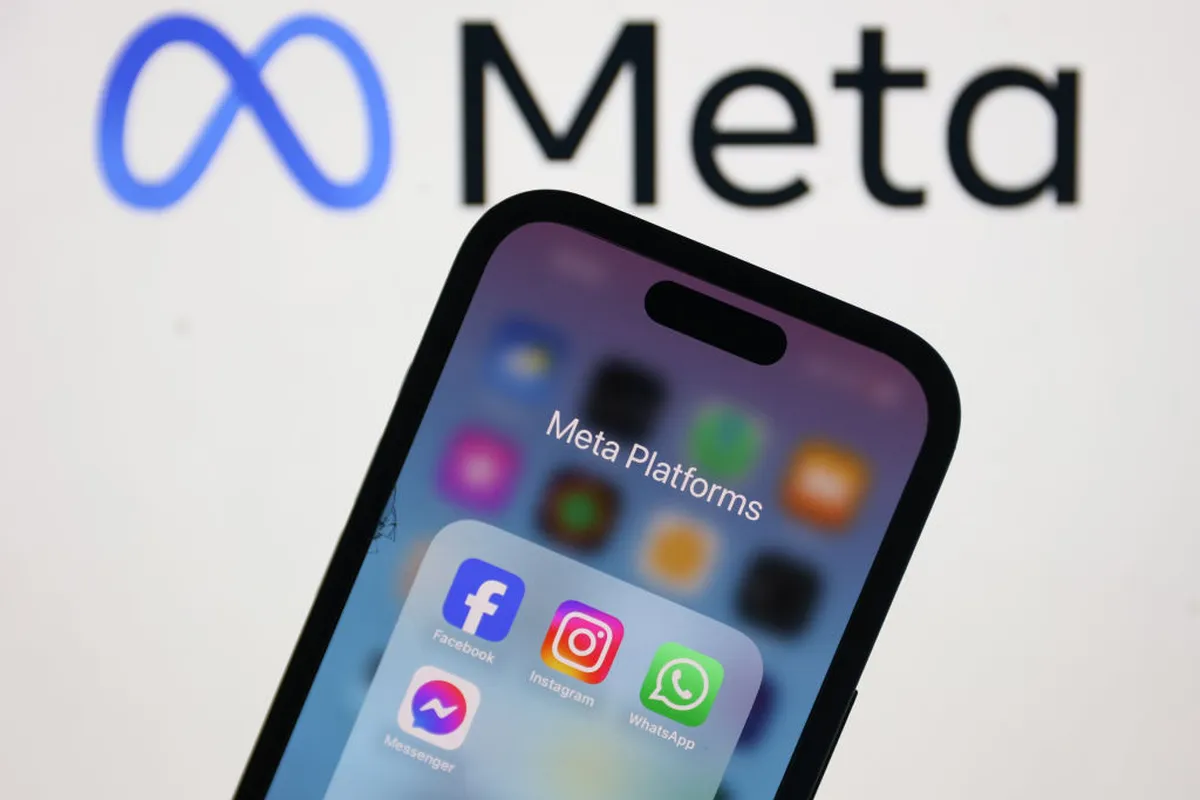
In a surprising turn of events, a social media addiction lawsuit against Meta has been dropped just days before it was set to go to trial. This case, which was seen as a significant milestone in the ongoing battle over tech companies' responsibility for the addictive nature of their platforms, was initiated by a Florida teenager, identified only as "R.K.C." This legal action followed a wave of similar lawsuits targeting major social media platforms, which have been accused of knowingly creating addictive environments designed to keep users engaged for longer periods. With Snap recently reaching a tentative settlement in a related case, the focus now shifts to the broader implications of this legal landscape for tech giants like Meta.
Background on Social Media Addiction Lawsuits
The lawsuit against Meta was part of a larger movement that included claims not just from individual users but also from schools and state attorneys general. These lawsuits contend that social media companies like Meta, TikTok, and YouTube have engineered their platforms to be inherently addictive, employing tactics such as infinite scrolling and incessant notifications that encourage users to remain online longer than intended. Such features raise concerns about mental health, particularly for younger users who may be more susceptible to the effects of prolonged exposure to social media.
Previous legal actions against social media companies have shown a growing trend where courts begin to scrutinize the practices of these giants. The outcome of these lawsuits could have significant ramifications on how these platforms operate, potentially leading to stricter regulations or changes in design to promote healthier user engagement.

The Dropped Case and Its Implications
On July 22, 2026, the plaintiff in the Meta lawsuit decided to withdraw his case without any financial settlement. This move comes after other tech companies, including TikTok and YouTube, reached agreements with the plaintiff. Meta, which faced criticism for its practices, had been gearing up for a defense centered around the argument that the plaintiff had used its platforms minimally. The company emphasized its commitment to contesting what it termed "baseless lawsuits," highlighting its strategy to maintain a strong front against legal challenges.
This particular case was noteworthy as it was set to become a bellwether trial, potentially influencing future litigation against social media companies. The absence of a ruling means that the precedent that could have been set regarding user addiction and corporate responsibility is now lost.
Previous Legal Challenges Faced by Meta
Meta has faced mounting legal challenges in recent years, particularly concerning its impact on mental health among young users. Earlier in 2026, the company suffered a significant defeat in New Mexico, where it was ordered to pay $375 million for misleading consumers about the safety of its platforms. This ruling marked a pivotal moment, as it was the first time a court had held Meta accountable for social media-related harms.
In another case, a Los Angeles jury awarded damages to a plaintiff against both Meta and Google, further emphasizing the growing legal scrutiny these companies face. As these cases unfold, they highlight a critical issue: the urgent need for tech companies to address the potential harms their platforms can cause, particularly to vulnerable populations such as children and teenagers.

Market Reactions and Future Prospects
The dropping of the lawsuit has received mixed reactions from stakeholders. On one hand, it may be seen as a temporary reprieve for Meta, allowing it to continue its operations without the fear of immediate legal repercussions related to this particular case. However, it does not negate the larger trend of increasing scrutiny that tech companies are facing.
Investors and market analysts are keenly observing how these developments may affect Meta's long-term strategy and its approach to user engagement. As more consumers become aware of the mental health implications of social media use, companies may be compelled to innovate and redesign their platforms to promote healthier interactions. This could lead to significant shifts in advertising models and user interface design, as companies balance engagement with ethical considerations.
What Can Users and Stakeholders Do?
For users, particularly parents and educators, the implications of these lawsuits are profound. Awareness of the potential risks associated with social media use is critical. Here are a few steps stakeholders can take:
- Education: Parents should educate themselves and their children about the risks of social media addiction and encourage healthy online habits.
- Advocacy: Stakeholders can advocate for better regulations and transparency from tech companies regarding how their platforms are designed.
- Engagement: Users should actively engage with platforms to provide feedback about their experiences, helping to drive changes that prioritize user well-being.
- Support Research: Support and promote research initiatives that focus on understanding the psychological impacts of social media usage among different demographics.

Key Takeaways
- The social media addiction lawsuit against Meta was dropped without a settlement.
- Meta has faced multiple legal challenges regarding its impact on mental health.
- The outcome of such lawsuits could influence future regulations and platform designs.
- Users and stakeholders should educate themselves on social media risks and advocate for healthier practices.
Frequently Asked Questions
What was the basis of the lawsuit against Meta?
The lawsuit against Meta was based on claims that the company had knowingly created addictive platforms that negatively impacted user mental health, particularly among younger audiences. The plaintiff, a teenager, argued that features like infinite scrolling and constant notifications were designed to keep users engaged at the expense of their well-being.
What does the dropping of the lawsuit mean for Meta?
The dropping of the lawsuit may provide Meta with temporary relief from legal scrutiny regarding this specific case. However, it does not diminish the overall trend of increasing challenges faced by tech companies concerning their impact on users' mental health. Meta must continue to navigate these challenges while being proactive in addressing public concerns about its platforms.
How can social media companies improve user safety?
Social media companies can improve user safety by redesigning their platforms to minimize addictive elements. This may include implementing features that encourage breaks, providing users with more control over their engagement, and enhancing transparency about how algorithms work. Additionally, fostering a culture of responsibility and accountability within the organization can help address these issues more effectively.
Are there any ongoing legal challenges for Meta?
Yes, Meta continues to face several ongoing legal challenges related to its practices and the potential harms of its platforms. These cases are part of a broader movement advocating for greater accountability among tech giants, particularly concerning mental health impacts on young users. The outcomes of these cases could significantly influence how social media operates in the future.
Comments
US Treasury Warns Chinese AI Firms Amid Controversy Over Model Distillation
The US Treasury has issued warnings and potential sanctions against Chinese AI companies following allegations of intellectual property theft from Anthropic's AI model. The controversy raises critical questions about AI development practices and national security.

Related articles







Popular in Cybersecurity
- Federal Mandate for Autonomous Vehicles: A Call for Safety Compliance
- EU Mandates Google to Share Data and Open AI on Android: What It Means
- GitHub Revamps Bug Bounty Program: Implications for Developers and Security
- Australian Government Disables Thousands of Functional Broadband Routers: A Wasteful Decision
- Exploiting Redis: Understanding Zero-Day Vulnerabilities and Their Mitigation